
Olumo Rock Revitalization: New Tourism and Economic Powerhouse in Nigeria

Published
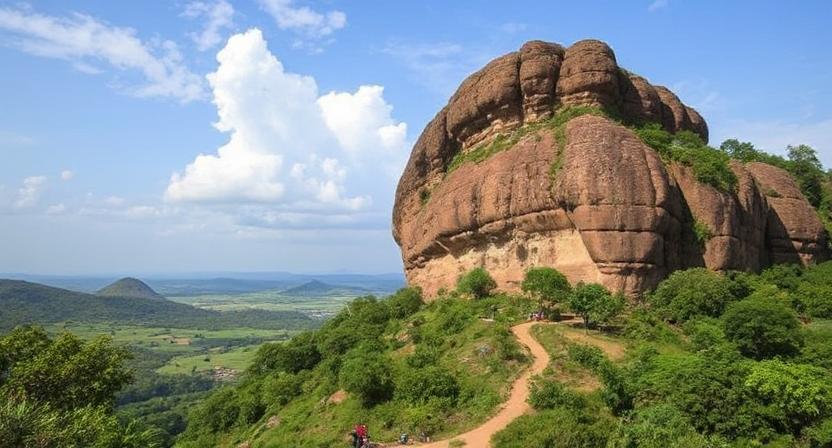 Image generated with Ai
In Abeokuta, the capital city of Ogun State, the Olumo Rock has been transformed beyond recognition, infusing both the tourism industry and local economy with fresh vitality. On a sunny Thursday morning in August 2025, Governor Dapo Abiodun stood before the imposing granite outcrop to commission the renovated Olumo Rock Tourism Complex. This makeover represents a significant milestone in the development of tourism in Ogun State, a new era of tourism that fuses contemporary amenities with the rich cultural heritage of the area.
The transformation of Olumo Rock, a natural wonder and a living monument, will transform the tourism story of Nigeria by not only welcoming tourists but also stimulating economic development and promoting local pride.
Advertisement
Advertisement
Reviving Olumo Rock’s Cultural and Economic Significance
Once a symbol of survival during ancient tribal wars and a place of worship, Olumo Rock has stood as a sentinel of the Egba people’s heritage. However, in recent years, the rock had lost some of its luster due to neglect and underinvestment. The recent improvements aim to return Olumo Rock to its rightful place as a central point of pride for the people of Ogun and a significant tourism attraction in Nigeria.
The renovated complex combines traditional aesthetics with modern infrastructure, making it accessible to tourists of all kinds. Features include a galleria showcasing portraits of notable figures from Nigeria’s history, a peaceful gazebo for reflection, and a restaurant offering both local and continental delicacies. Visitors can explore the rock with ease, as elevators provide access to its peak, ensuring that even those with mobility issues can experience the panoramic views without the arduous climb.
Advertisement
Advertisement
Free Access to Olumo Rock as Part of a Strategic Promotion
In a show of goodwill and to further promote the newly renovated site, Governor Abiodun announced that entry to Olumo Rock would be free of charge until the end of September 2025. This move, both generous and strategic, is aimed at encouraging both local citizens and tourists to explore the rock and reconnect with their cultural roots.
“This is not just about infrastructure,” said Governor Abiodun. “It is about reviving memory, rekindling pride, and reaffirming our cultural roots.” The decision to offer free entry demonstrates the state’s commitment to promoting cultural tourism and creating an inclusive environment where both Nigerians and international visitors can explore Nigeria’s rich heritage.
Advertisement
Advertisement
A Catalyst for Economic Growth and Job Creation
The renovation of Olumo Rock is not just a cultural investment; it is also an economic one. As part of the ongoing transformation, the complex has created jobs in various sectors, including hospitality, craftsmanship, and tourism services. Local artisans are benefiting from the increased demand for adire (the indigo-dyed fabric), a traditional Yoruba craft that has seen a resurgence thanks to its visibility in the complex. The inclusion of small businesses—such as local eateries, craft shops, and tour guides—has further enhanced the economic impact, ensuring that the benefits of tourism are distributed across the community.
The revitalized site has also attracted both domestic and international tourists, offering a blend of cultural education, artistic expression, and recreational activities. The steady influx of visitors is helping to stimulate the local economy, from hotel bookings to local transport services.
Adire: Cultural Heritage Meets Economic Empowerment
One of the standout features of the newly renovated complex is the promotion of adire—a traditional indigo-dyed fabric that holds deep cultural significance for the Yoruba people. The adire market at Olumo Rock has become a platform for empowerment for local artisans, particularly women, providing them with a new market for their goods. As the demand for adire continues to rise, the craft is not only surviving but thriving, offering economic opportunities and helping preserve an important aspect of Nigerian culture.
Cultural Diplomacy: Olumo Rock as a National Symbol
Beyond its local significance, the Olumo Rock Tourism Complex has become a symbol of cultural diplomacy for Nigeria. By showcasing the nation’s historical heritage, the complex serves as a platform to engage with the world and share the rich cultural fabric of Nigeria. Governor Abiodun emphasized that the renovation of Olumo Rock is part of a larger effort to place Ogun State at the forefront of cultural tourism in Nigeria.
“This project sends a message to the world that Nigerian heritage is not lost; it is being reinvented,” he said. The cultural significance of the site extends beyond tourism; it serves as a unifying force that brings people together to reflect on their shared history and values.
The Road Ahead: Sustainable Tourism and Community Engagement
Despite the successes of the renovation, there are challenges ahead. The maintenance of Olumo Rock as a sustainable tourist attraction requires vigilance and careful planning. Commissioner for Culture and Tourism, Hon. Sesan Fagbayi, assured that the government would implement sustainable tourism practices, focusing on infrastructure maintenance, community engagement, and security to preserve the site’s cultural and natural heritage for future generations.
Advertisement
Advertisement
Further, to ensure the long-term success of Olumo Rock as a tourism hub, continued community involvement is crucial. Local stakeholders—tour operators, craftsmen, and small businesses—must actively participate in promoting the site and providing an authentic cultural experience to visitors.
Olumo Rock as a Beacon of Resilience and Cultural Pride of Nigeria
The conversion of Olumo Rock into a modern, yet culturally based, tourist destination marks a new age for Ogun State and Nigeria’s tourism industry. With its new emphasis on sustainability, community, and cultural promotion, Olumo Rock is set to become a top symbol of Nigeria’s cultural rebirth.
As visitors climb its ancient steps or ride the contemporary elevators up to its summit, they are not only seeing a wonder of geology but also entering the tale of perseverance, pride, and hope for tomorrow. This is only the start of a broader journey of unleashing the full possibilities of Nigeria’s cultural gems and sharing them with the world.
Advertisement
