
United States pairs up with Italy, United Kingdom, Canada, Germany and France as Northern New Mexico reshapes family travel with flexible itineraries and regional day trips

Published
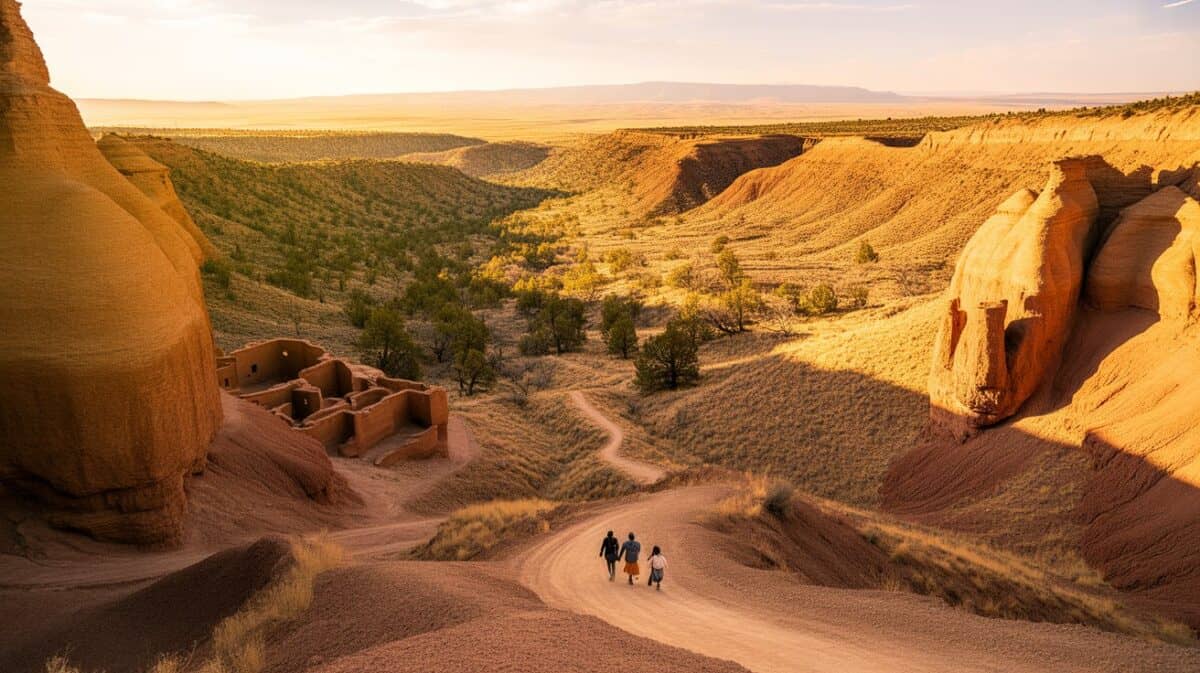
Northern New Mexico is undergoing a clear shift in family tourism patterns as travellers from the United States, Italy, United Kingdom, Canada, Germany, France, Spain, Australia, Japan and Mexico increasingly move toward flexible itineraries built around regional day trips. The evolution of Northern New Mexico family vacation trends reflects a broader global change where families prefer adaptable travel structures instead of fixed multi-day schedules.
This transformation is most visible across Santa Fe, Taos, Bandelier National Monument and surrounding high desert regions. Families now combine cultural exploration, short-distance travel and outdoor experiences within a single regional base. The result is a more fluid travel model that increases accessibility while reducing travel fatigue and improving overall destination engagement.
Regional day trips reshape Northern New Mexico family travel structure
Northern New Mexico is emerging as a strong regional day trip destination where families stay in central hubs and explore surrounding attractions without frequent hotel changes. This structure increases flexibility and improves access to both cultural and natural experiences across short driving distances.
| Base Location | Day Trip Destination | Travel Time | Experience Type |
|---|---|---|---|
| Santa Fe | Bandelier National Monument | ~90 minutes | Archaeology and hiking |
| Santa Fe | Chimayó villages | ~60–90 minutes | Cultural heritage |
| Taos | Rio Grande Gorge Bridge | ~30 minutes | Scenic landscapes |
| Taos | Earthship community | ~20 minutes | Sustainable architecture |
| Santa Fe | High desert trails | ~45 minutes | Outdoor recreation |
Flexible itineraries reshape modern family travel behaviour
Flexible itinerary planning is now a defining feature of Northern New Mexico tourism. Families increasingly avoid rigid schedules and instead adjust daily plans based on weather, interest levels and energy patterns. This approach improves comfort and allows more spontaneous exploration.
Advertisement
Advertisement
The high desert geography supports this model because attractions are clustered within manageable distances. Families can combine morning outdoor activities, afternoon cultural visits and evening relaxation without long travel transfers. This improves engagement and increases time spent at each destination.
Santa Fe and Taos emerge as dual tourism anchors
Santa Fe and Taos remain the primary tourism anchors for Northern New Mexico family travel. Santa Fe focuses on cultural depth through museums, galleries and historic districts, while Taos offers direct access to high desert landscapes and mountain environments.
Advertisement
Advertisement
| City | Core Identity | Family Travel Strength |
|---|---|---|
| Santa Fe | Cultural hub | Museums, food, art |
| Taos | Nature hub | Mountains, rivers, trails |
Together, they create a balanced travel structure that combines education, culture and outdoor exploration within a single regional itinerary.
Bandelier and Gila regions strengthen outdoor tourism demand
Outdoor travel remains a core driver of Northern New Mexico tourism. Bandelier National Monument and the Gila region attract families seeking a mix of archaeology, hiking and natural landscapes. These destinations offer structured trails and accessible exploration routes suitable for all age groups.
Advertisement
Advertisement
Bandelier’s cliff dwellings provide educational value, while Gila introduces more expansive wilderness experiences. This combination allows travellers to choose between accessible day trips and deeper outdoor immersion depending on travel preferences.
Cultural tourism blends with outdoor family experiences
Northern New Mexico’s tourism model increasingly integrates cultural heritage with outdoor exploration. Families now combine museum visits, indigenous cultural sites, historic villages and art districts with hiking and scenic drives.
Santa Fe plays a central role in this integration through its cultural infrastructure, while Taos adds traditional architecture and community-based experiences. This blended model strengthens educational value while maintaining strong recreational appeal for family travellers.
Hospitality adapts to decentralised travel demand
Hospitality development in Northern New Mexico is evolving in response to flexible itinerary travel. Accommodation providers are expanding beyond central city zones to improve access to highways and regional destinations.
Advertisement
Advertisement
This decentralised model supports easier travel logistics for families planning multiple day trips. It also improves comfort through larger spaces, parking availability and proximity to natural landscapes, making it more suitable for extended family stays.
Table: Key drivers of Northern New Mexico family travel growth
| Growth Factor | Tourism Impact |
|---|---|
| Flexible itineraries | Higher travel adaptability |
| Regional day trips | Expanded destination access |
| Cultural integration | Stronger engagement |
| Decentralised lodging | Improved mobility |
| Short-distance travel | Reduced fatigue |
Economic impact and regional tourism distribution
The shift toward flexible itineraries is supporting more balanced tourism distribution across Northern New Mexico. Smaller towns along travel routes are seeing increased visitor activity as travellers explore beyond major hubs.
This reduces pressure on Santa Fe and Taos while strengthening rural tourism economies. It also encourages longer regional stays as families explore multiple destinations within a single base location.
Sustainability and long-term tourism stability
Flexible travel patterns and regional day trips support more sustainable tourism development. Shorter travel distances reduce environmental impact while increasing efficiency in destination planning.
This model aligns with global travel trends focused on low-impact tourism and deeper destination engagement. Northern New Mexico’s geography naturally supports this structure due to its clustered attractions and accessible road networks.
FAQs
What is driving Northern New Mexico family travel trends?
Flexible itineraries and regional day trips are the main drivers.
Advertisement
Advertisement
Which cities are most important for family travel?
Santa Fe and Taos are the key hubs.
Is Bandelier suitable for families?
Yes, it offers accessible hiking and cultural sites.
Why are flexible itineraries becoming popular?
They allow adaptable travel based on conditions and interests.
What is a popular day trip from Santa Fe?
Bandelier National Monument is a major option.
How does Taos differ from Santa Fe?
Taos focuses more on nature and outdoor experiences.
Is the region good for short travel distances?
Yes, most attractions are within short driving range.
Advertisement
Advertisement
How is hospitality changing?
It is expanding into decentralised locations outside city centres.
Does this support sustainable tourism?
Yes, it reduces long-distance travel and spreads visitor flow.
Is this trend growing internationally?
Yes, it attracts travellers from Europe, Asia and the Americas.
Advertisement
