
Guyana Marks 60 Years With Indigenous Heritage and Eco-Tourism Growth

Published
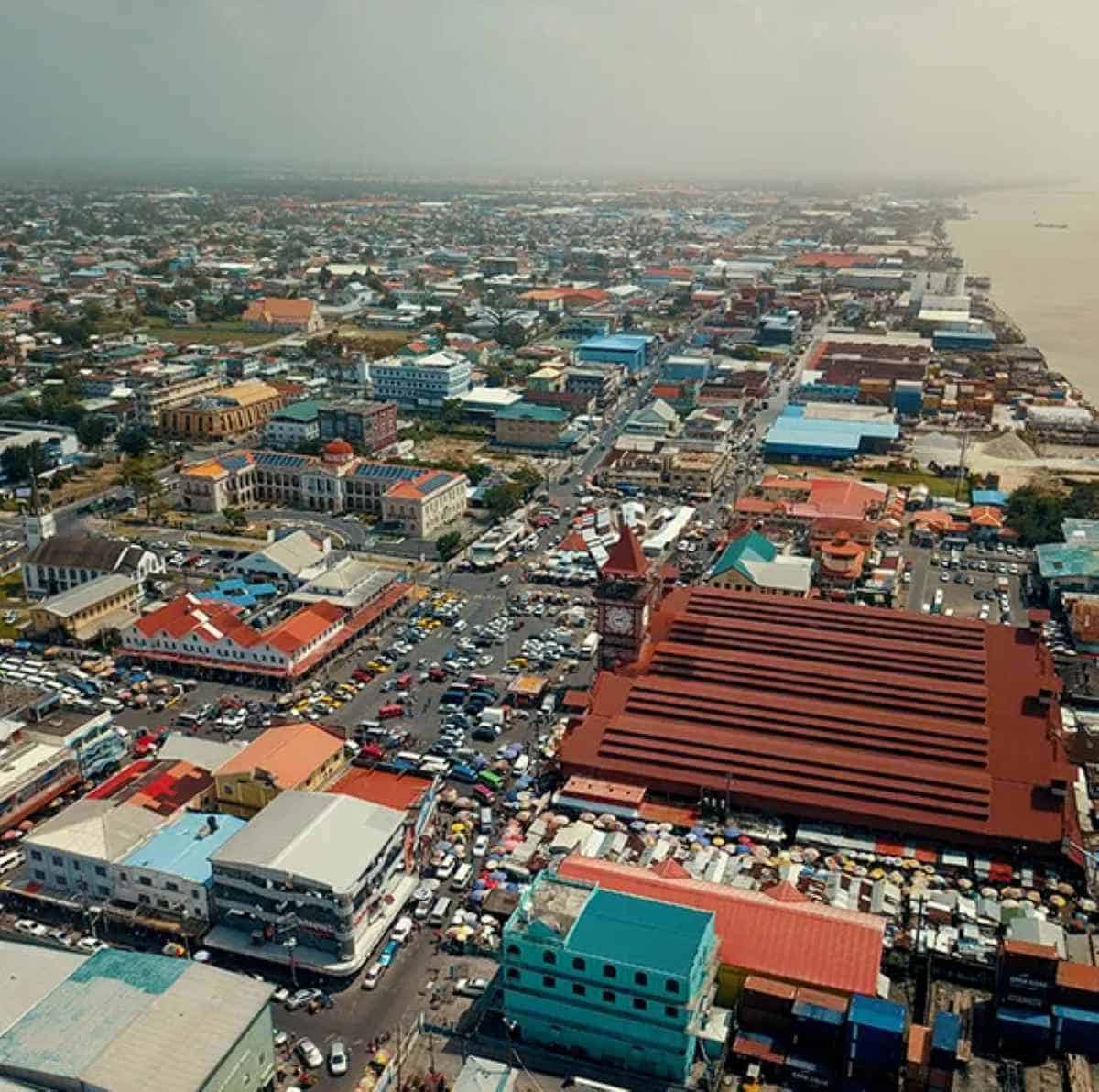
The Diamond Jubilee year has seen Guyana highlight Indigenous culture, conservation and eco-tourism in an effort to increase the country’s focus on these aspects. Georgetown and the Rupununi savannas have been at the centre of Guyana’s evolving visitor strategy as the South American country celebrates its 60th anniversary of independence in 2026. New conservation plans and tourism training programs have added meaning to Guyana’s plan to build a visitor economy based on natural and cultural attractions. There were no independently verified reports of the proposed Diamond Jubilee Eco-Tourism & Indigenous Heritage Season held from September 28 to October 2, 2026. Nonetheless, tourism plans in Guyana during this period have been captured, including conservation plans, sustainable tourism certification and the opening of Amerindian Heritage Month. The Government of Guyana reported over 271,000 visitors between January and July 2026, while July 2026 alone saw the country welcome more than 45,000 visitors, its highest ever number of visitors for July.
Georgetown Opens the Diamond Jubilee Story
Georgetown remains the principal gateway for international visitors, combining colonial-era timber architecture, markets, waterfront areas and a growing hospitality sector.
Advertisement
Advertisement
The capital also provides access to Guyana’s national celebrations and cultural institutions. During 2026, the country’s 60th independence anniversary has added a commemorative dimension to the tourism calendar.
Amerindian Heritage Month opened on September 1 under the theme “Observing Our Cultural Heritage During Our Diamond Jubilee: Honouring Our Traditions, Culture and Contributions.”
Advertisement
Advertisement
The programme recognised the contribution of Indigenous peoples to Guyana’s national identity, bringing traditional dance, music and cultural expression into the public calendar.
For visitors, Georgetown offers an introduction to the country before journeys continue into the interior, where river systems, savannas and Indigenous communities shape a very different travel experience.
Advertisement
Advertisement
Rupununi Offers a Different Kind of Luxury
The Rupununi is among Guyana’s most distinctive tourism regions, with wide grasslands, wetlands, forest edges and ranching communities. Its appeal is built around wildlife observation, outdoor exploration and cultural encounters rather than high-density resort development.
Private aircraft and charter flights can connect Georgetown with interior airstrips, including those serving the Rupununi. These journeys reduce travel time across the country’s vast landscape, although schedules and landing arrangements depend on operators, weather and local conditions.
Advertisement
Advertisement
The region’s lodges provide access to guided wildlife experiences and community-based activities. Visitors may explore savanna trails, waterways and forest habitats with local guides who understand the landscape and seasonal conditions.
The supplied description of cassiri wine, pepperpot and dawn wildlife tracking reflects the character of interior hospitality, but specific private-aircraft itineraries and hosted experiences should be confirmed directly with operators.
Guyana Plans a Major Conservation Expansion
A major development announced on September 27 concerns plans to designate approximately 3.7 million acres of forest in the Acarai-Rupununi corridor as a permanent conservation area.
The proposal could significantly expand Guyana’s protected landscape and support its commitment to conserve 30 per cent of land and waters by 2030.
Advertisement
Advertisement
Tourism officials have connected the initiative with sustainable tourism and birding opportunities, particularly through the protection of habitats and the development of specialised guiding services.
The announcement is relevant to the Rupununi because the region’s tourism value depends on healthy ecosystems and wildlife populations.
The proposal is a conservation plan, however, and should not be described as a completed protected-area designation until the necessary formal steps are confirmed.
Indigenous Heritage Remains Central to the Visitor Experience
Guyana’s Indigenous communities are central to its cultural and nature-based tourism identity. The Rupununi is home to communities with distinct traditions, languages, knowledge systems and relationships with the surrounding environment.
Community-owned accommodation, guided excursions and cultural experiences can create opportunities for local participation in tourism. Their value depends on how communities shape visitor activities, retain control over cultural representation and receive economic benefits.
The Government’s wider tourism strategy has emphasised sustainable development rather than mass tourism, with conservation and cultural heritage positioned as core assets.
Advertisement
Advertisement
For travellers, responsible visits involve following community protocols, using authorised guides and respecting restrictions around sacred or sensitive locations.
Kaieteur Falls Adds a Signature Experience
Kaieteur Falls remains one of Guyana’s most recognised natural attractions. Located within Kaieteur National Park, the waterfall drops approximately 226 metres in a single plunge over the Potaro River.
Scenic flights from Georgetown provide access to the falls, with visitors continuing on foot to designated viewpoints under park arrangements.
The surrounding rainforest supports distinctive wildlife and plant life, making the area relevant to both nature tourism and conservation.
Government officials have stressed that tourism development around protected sites must be carefully assessed to avoid damage to the ecosystems that attract visitors.
Tourism Growth Meets Conservation Priorities
The development of visitor numbers in Guyana will be boosted by investment in accommodation, infrastructure, training, and events. Additionally, Guyana will be hosting the Caribbean Tourism Organization’s State of the Tourism Industry Conference on October 5 to 9, 2026, in Georgetown. The conference is expected to put sustainable and inclusive tourism on the regional agenda, giving Guyana a chance to showcase its model of conservation-based and cultural tourism. What Guyana really needs is to align visitors’ spending with the local economy, Indigenous involvement and conservation of nature. The assertion that private investors have already brought direct equity benefits to Indigenous councils or triggered an influx of high-value wilderness concessions needs to be proven by independently published research. Thus, Guyana’s 60th independence anniversary will not only be a national landmark. It will also be a time when Guyana learns how to integrate tourism with its forests, savannahs, wildlife, and cultural heritage.
Advertisement
