
Air India Express Crew Suspension Hits 8 After Dubai-Amritsar Flight Testing Breach in India

Updated
Published
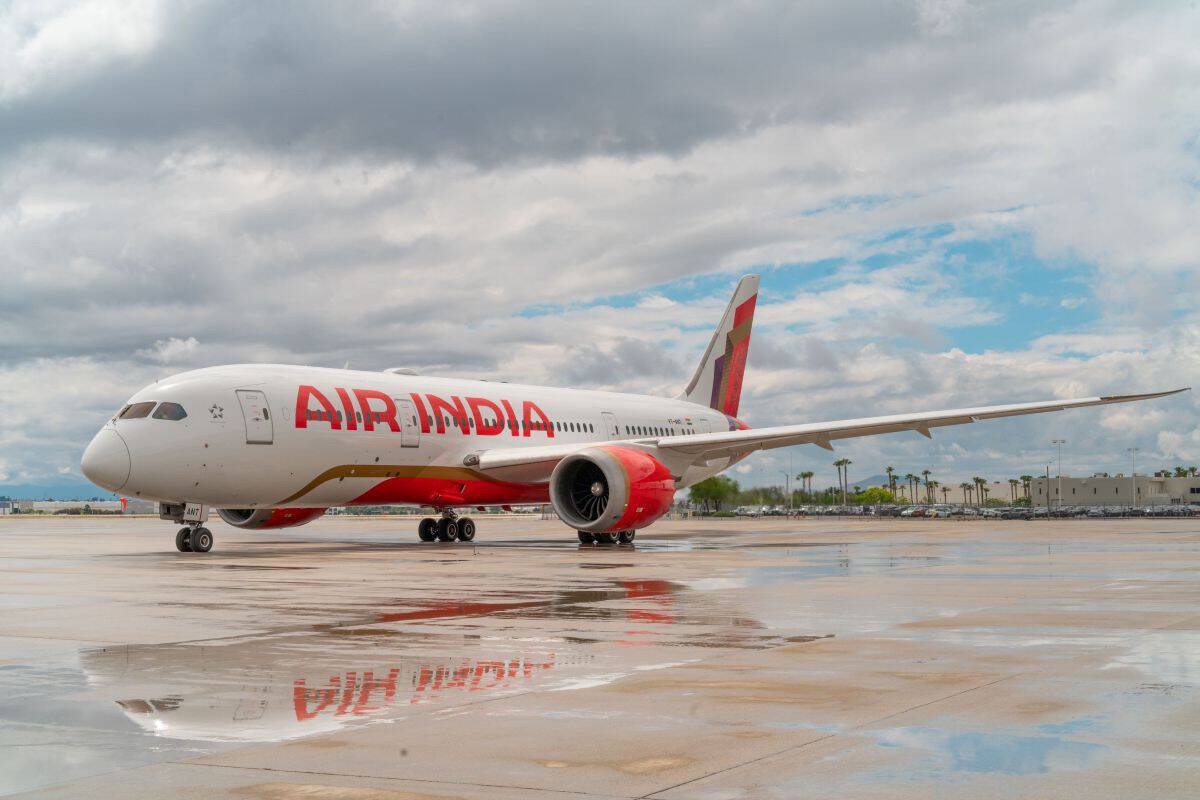
Air India Express has suspended eight crew members for three months after they missed the prescribed post-flight breathalyser testing window following a Dubai-Amritsar service. The crew completed the mandatory procedure two hours and 35 minutes after landing, exceeding the two-hour limit by 35 minutes. All eight reportedly tested negative for alcohol when the examination eventually took place. The airline nevertheless treated the missed deadline as a regulatory compliance breach and reported the matter to the Directorate General of Civil Aviation (DGCA). The case occurred on August 2, amid heightened scrutiny of crew testing across India’s aviation sector. For travellers, the incident offers a closer look at the strict procedures governing crew fitness after international flights.
Eight Crew Members Face Three-Month Suspension
The incident centres on an Air India Express international service from Dubai to Amritsar on August 2. Reports identify the service as AX192, which landed at Sri Guru Ram Das Jee International Airport at about 9.50am.
The crew reportedly comprised four pilots and four cabin crew members. Under the applicable requirements cited in multiple reports, crew operating international flights for Indian carriers must complete a post-flight alcohol test within two hours of landing in India.
The eight members did not complete the procedure within that period. Their examination took place after two hours and 35 minutes, creating a 35-minute breach of the prescribed window.
Advertisement
Advertisement
Air India Express subsequently reported the lapse to the DGCA. The airline also removed the crew from duty before imposing a three-month suspension.
The distinction between the testing result and testing compliance is central to the case. Reports state that all eight crew members tested negative for alcohol. Therefore, the disciplinary action concerns the timing of the mandatory procedure rather than a positive alcohol finding.
Advertisement
Advertisement
| Key Detail | Reported Information |
|---|---|
| Airline | Air India Express |
| Flight | AX192 |
| Route | Dubai to Amritsar |
| Date of incident | August 2, 2026 |
| Arrival airport | Sri Guru Ram Das Jee International Airport |
| Reported landing time | Around 9.50am |
| Crew affected | 8 members |
| Pilots affected | 4 |
| Cabin crew affected | 4 |
| Prescribed testing window | Within 2 hours of landing |
| Actual testing time | 2 hours 35 minutes |
| Delay beyond window | 35 minutes |
| Reported alcohol result | Negative for all eight |
| Regulatory authority informed | DGCA |
| Disciplinary action | Three-month suspension |
The episode demonstrates why aviation regulators treat procedural compliance as a safety control, rather than merely an administrative formality. A negative test does not retrospectively make a missed testing window compliant.
Why the Two-Hour Window Matters
Post-flight alcohol testing forms part of India’s broader aviation safety framework. The purpose is to provide a structured mechanism for checking crew members around flight operations and maintaining documented oversight.
DGCA requirements also prescribe controls around breathalyser examinations, reporting and record-keeping. The regulator’s published civil aviation requirements state that missed or positive breathalyser cases must be reported promptly, with reporting required within 24 hours in the applicable framework. Scheduled operators must also record breathalyser examinations on camera and preserve those recordings for six months.
That framework matters because aviation safety depends on repeatable procedures rather than individual discretion. A crew member cannot simply substitute a later test for the prescribed process without creating a compliance issue.
The distinction becomes particularly important after international arrivals. Crews may have several responsibilities after landing, including operational documentation and immigration or Customs procedures. However, reports on this case indicate that those competing tasks did not remove the testing obligation.
One reported account said the crew went to their allotted hotel after completing post-arrival formalities because one member was unwell. The group later returned to the airport for testing, but the examination occurred 35 minutes beyond the permitted window. The New Indian Express reported that another source attributed the delay to the number of post-flight procedures facing the crew.
Advertisement
Advertisement
Those explanations remain source-attributed accounts, rather than independently established findings. The available reporting does not establish that illness or administrative workload constituted an accepted regulatory exception.
Negative Results Did Not Remove the Breach
The most significant feature for understanding this case is the difference between what the test found and when the test occurred.
All eight crew members reportedly returned negative alcohol results. That means the available reports do not indicate that the suspension resulted from a positive breathalyser reading. Instead, the disciplinary action followed the failure to complete the prescribed examination within the required period.
This distinction has practical importance for the aviation industry. Testing regimes depend on controlled timing because the value of a test depends partly on when it is administered.
The regulatory requirement therefore addresses two separate questions. The first concerns the test result itself. The second concerns whether the operator and crew followed the prescribed testing process.
| Safety Question | What This Case Shows |
|---|---|
| Was alcohol detected? | No, according to reported results |
| Was the examination completed? | Yes |
| Was it completed within the prescribed period? | No |
| Was the timing breach reported? | Yes, to DGCA |
| Were crew members removed from duty? | Yes |
| Was disciplinary action imposed? | Yes, three-month suspension |
For travellers, this means a crew-testing story should not automatically be interpreted as evidence that crew members operated an aircraft under the influence of alcohol. The available reporting does not support that conclusion in this case.
Advertisement
Advertisement
Instead, it documents a procedural breach followed by disciplinary action.
Air India Group Faces Wider Testing Scrutiny
The Air India Express case arrives during a period of intensified attention on psychoactive-substance testing across the Air India Group.
That scrutiny increased after an Air India Phuket-Delhi service experienced a sudden altitude loss during cruise on August 4. Reports said the Airbus A320 involved lost around 300 feet, while passengers and crew members suffered injuries. The incident was classified as serious and became subject to investigation.
Both pilots underwent prescribed psychoactive-substance screening after the incident. The pilot-in-command’s initial screening result reportedly required confirmatory testing.
Subsequent reporting said the confirmatory test returned a positive result for marijuana. The DGCA removed both pilots from the roster pending further investigation, while the Aircraft Accident Investigation Bureau examined the incident.
These two incidents involve different regulatory circumstances. The Air India Express case concerns the timing of post-flight alcohol testing. The Phuket-Delhi case involved psychoactive-substance screening after an operational incident and a subsequent confirmatory test.
Advertisement
Advertisement
Keeping those cases separate is important. Linking them too closely could wrongly suggest that the eight Air India Express crew members faced disciplinary action because of substance use.
They did not, according to the available reports. Their reported alcohol results were negative.
Air India Expands Pilot Screening Across Group
Following the Phuket-Delhi incident, Air India announced expanded psychoactive-substance screening for pilots across the Air India Group, including Air India Express.
Reports said the programme began on August 13. The additional screening was planned across several operational settings, including training, post-flight procedures and designated crew-base locations.
The initiative went beyond the existing random-testing framework cited in reports. That framework required testing of at least 10 per cent of flight crew annually for psychoactive substances.
Air India has also publicly described mandatory pre-flight alcohol screening as part of its pilot fitness framework. Its published safety material says pilots undergo pre-flight medical checks for alcohol consumption and that the airline maintains a zero-tolerance policy.
Advertisement
Advertisement
The expanded programme therefore sits within a broader safety architecture. It does not replace the separate regulatory requirements governing post-flight alcohol testing.
| Testing Area | Purpose | Position Reported in 2026 |
|---|---|---|
| Pre-flight alcohol screening | Check fitness before departure | Mandatory under applicable rules |
| Post-flight alcohol testing | Check crew after covered operations | Two-hour window cited for international arrivals |
| Psychoactive-substance screening | Identify prohibited substance use | Random testing framework cited |
| Expanded Air India Group screening | Broaden internal oversight | Announced after Phuket-Delhi incident |
| Confirmatory testing | Verify an initial screening result | Used where an initial result requires confirmation |
The layered approach reflects a wider aviation principle. No single screening mechanism answers every safety question.
Government Considers Wider Pilot Testing
India’s civil aviation authorities have also been examining whether pilot testing should become more comprehensive.
Civil Aviation Minister K Rammohan Naidu said in August that the government was considering annual testing of all pilots, rather than relying solely on random testing covering at least 10 per cent annually, according to reports.
The proposal would represent a substantial expansion in testing coverage. It would move the framework from sampling a defined proportion of pilots towards an annual test for the entire pilot population.
However, the proposal should not be confused with an already implemented universal testing requirement. Reporting available on September 18 described the measure as under consideration.
Advertisement
Advertisement
That distinction matters for airlines, crew and travellers alike. Regulatory proposals can attract considerable attention before they become binding requirements.
The DGCA remains the central civil aviation regulator for such operational safety requirements. Its published documents also require operators to maintain appropriate facilities for breathalyser examinations and psychoactive-substance examinations.
What the Case Means for Travellers
For passengers, the immediate effect of the suspension is unlikely to be a direct change to airport procedures.
Travellers do not need to undertake any additional screening because of this incident. Crew testing is an operational and regulatory responsibility handled by airlines and aviation authorities.
The case nevertheless offers useful context for passengers concerned about flight safety. Crew fitness checks form part of a wider system of operational controls that passengers rarely see during an ordinary journey.
The Indian aviation system handled 5,568 aircraft movements and almost 798,000 arriving and departing domestic passengers on September 18, according to Ministry of Civil Aviation traffic data. That scale illustrates the operational environment in which standardised safety procedures must function consistently.
Advertisement
Advertisement
International services add further complexity. Crews may complete immigration, Customs, operational reporting and other post-arrival requirements after landing. Yet the testing requirement remains time-sensitive.
For travellers using international services to India, the episode is therefore less about a particular airline and more about the importance of crew safety compliance within a high-volume aviation system.
Amritsar Remains an Important Air Gateway
The location also has significance for travellers. Sri Guru Ram Das Jee International Airport serves Amritsar and the wider Punjab region, supporting international connectivity for a major tourism, pilgrimage and diaspora market.
Dubai is particularly important within India’s international aviation network because of its role as a major Middle East hub. Services connecting Dubai with Indian cities support leisure travel, business movement, family visits and onward international connections.
A crew compliance issue on one international arrival does not automatically indicate disruption across the wider route network. Passengers should instead distinguish between an individual crew-management incident and operational changes affecting their own flight.
Air India continues to publish customer travel updates and operational advisories through its official channels. Travellers can therefore verify flight-specific information before travelling rather than relying on reports about unrelated crew proceedings.
Advertisement
Advertisement
Testing Rules Carry Wider Industry Lessons
The Air India Express case raises a broader operational question about how airlines manage mandatory procedures after international flights.
Post-flight processes can involve several simultaneous responsibilities. These include aircraft shutdown, documentation, operational reporting, immigration formalities and crew transport arrangements.
A tightly defined testing window therefore requires robust internal coordination. Airlines must ensure that crew members know exactly when and where testing must occur, even during irregular or demanding post-arrival circumstances.
The DGCA framework also places record-keeping responsibilities on operators. Published requirements specify camera recording of breathalyser examinations and preservation of recordings for six months for scheduled operators.
Those requirements create an auditable chain around testing. They can also help regulators assess whether an examination occurred, how it was conducted and whether a missed case was properly reported.
The Air India Express incident illustrates the consequence of failing to complete that process on time. A negative result did not erase the procedural breach, and the airline responded with removal from duty and suspension.
Advertisement
Advertisement
A Closer Look at Safety Compliance
The case also demonstrates why aviation regulation often distinguishes between safety outcomes and procedural adherence.
In many safety-critical industries, a rule exists not simply because its final result is useful. It also creates consistency, traceability and accountability across thousands of operations.
That principle is especially relevant to crew testing. If operators allowed individual circumstances to determine testing deadlines, the system could become inconsistent and difficult to audit.
The reported 35-minute delay was therefore significant because it crossed a defined regulatory threshold. The available reporting does not indicate a positive alcohol finding among the eight crew members.
Instead, the case shows how procedural discipline can itself become an enforcement issue.
The wider Air India Group testing developments add another dimension. Expanded screening, existing alcohol controls and possible changes to annual psychoactive-substance testing suggest that crew fitness remains under close regulatory and industry attention.
Advertisement
Advertisement
For travellers, that scrutiny is largely invisible. Yet it forms part of the safety infrastructure behind every international journey.
Strict Procedures Shape Safer Air Travel
The suspension of eight Air India Express crew members follows a narrowly defined compliance failure after a Dubai-Amritsar flight. The crew completed its mandatory breathalyser procedure 35 minutes beyond the two-hour window, and all eight reportedly tested negative for alcohol.
Air India Express reported the matter to the DGCA and removed the crew from duty before imposing three-month suspensions. The episode occurred as the wider Air India Group faced greater scrutiny over alcohol and psychoactive-substance screening.
For passengers, the central message is straightforward. A crew-testing breach does not necessarily mean substance use occurred, but strict testing deadlines remain an essential part of aviation oversight. The case also shows how regulators and airlines separate test results from procedural compliance. As India expands its aviation network, consistent enforcement of such controls will remain an important element of passenger confidence and operational safety.
Advertisement
