
Singapore Aligns with China and Other Major Markets to Ignite Asia’s Aviation Tourism Revolution

Published
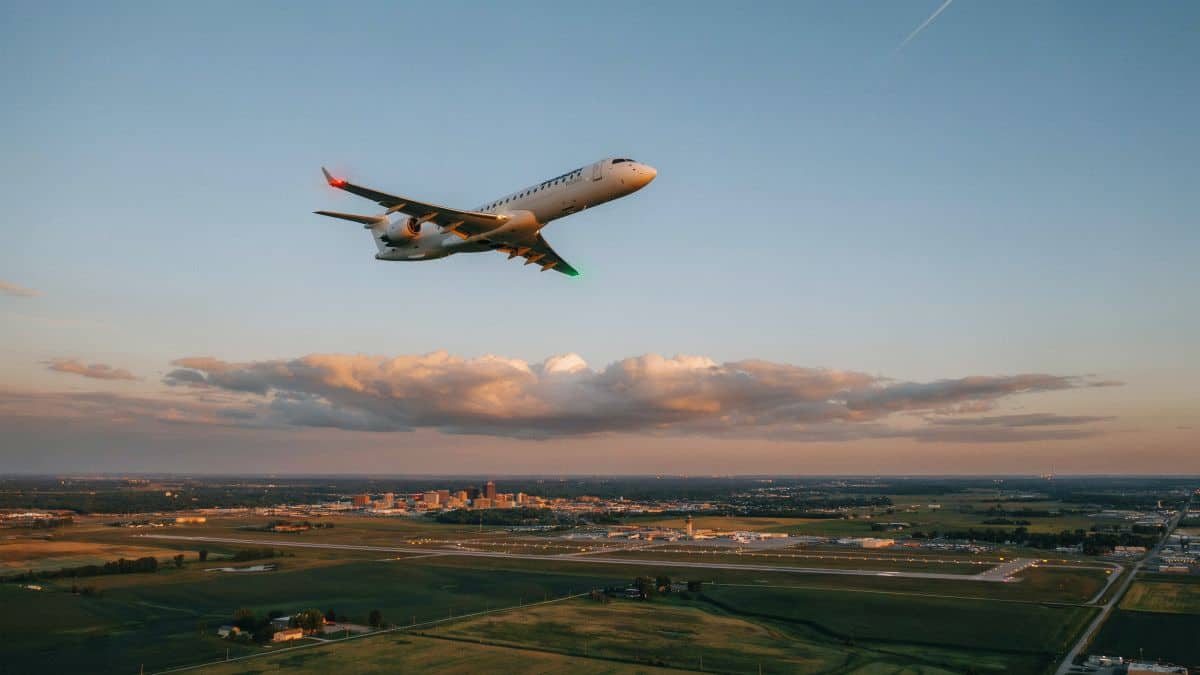
Asia’s aviation tourism revolution is gathering speed as Singapore, China, India, Hong Kong, Malaysia, Vietnam, Japan and Indonesia reshape how travellers move across the region. Singapore is strengthening Changi’s global gateway role, while China’s international passenger market is growing faster than its overall aviation sector. India is opening smaller destinations through regional airports. Hong Kong is rebuilding transfer traffic, and Malaysia is expanding international links. Vietnam is converting better air access into visitor growth, while Japan and Indonesia reveal how demand, fares and connectivity must work together. These countries are turning airports and routes into powerful engines for tourism growth.
Asia Aviation Growth 2026: The Numbers Rewriting the Tourism Map
International routes, transfer passengers and regional airports now deliver some of Asia’s strongest aviation gains.
Advertisement
Advertisement
| Market | Latest verified result | Why it matters for tourism |
|---|---|---|
| Singapore | 40.7 million passengers, January–July; up 0.1% | Stronger China and Vietnam demand supports Changi’s hub role |
| China | 450.15 million airline passengers, January–July; up 1.5% | International traffic rose 5.2%, far faster than the total market |
| Hong Kong | 38.4 million passengers, January–July; up 11.2% | Transfer growth is restoring a major Asian gateway |
| Malaysia | 51 million passengers in H1; up 1.8% | International traffic jumped 7.7% |
| India | 165 operational airports by July | Regional aviation is opening lesser-known destinations |
| Vietnam | 13.9 million foreign visitors, January–July; up 13.8% | New flights and easier entry are producing real arrivals |
| Japan | 3.44 million visitors in July | Seventeen markets set July records |
Changi Airport Turns Market Strength into a Competitive Advantage
Changi Airport handled 40.7 million passenger movements from January to July 2026, up only 0.1%. July traffic reached 5.88 million, down 1.4%, according to Changi Airport’s official statistics.
The market breakdown tells the stronger story. Changi welcomed 17.6 million passengers during the first quarter, up 2.3%. China, Indonesia, Malaysia, Australia and India were its five largest markets. Among its ten leading markets:
Advertisement
Advertisement
- Vietnam-related traffic surged 26.5%.
- China-related traffic climbed 17.7%.
These gains, reported by Changi Airport Group, strengthen Singapore’s value as a gateway. Travellers can connect through Changi towards Southeast Asia, India, Australia and long-haul markets.
China’s International Flight Surge Gives Asian Tourism New Momentum
China remains the region’s largest aviation engine. Chinese airlines carried 450.15 million passengers during the first seven months of 2026, up 1.5%. International routes carried 47.58 million passengers, rising 5.2%, according to the Civil Aviation Administration of China.
Advertisement
Advertisement
International traffic grew more than three times faster than China’s total market, favouring destinations with direct flights and easy transfers.
Singapore is capturing this demand. A daily Singapore–Hangzhou service began in June, lifting the route to 26 weekly flights. Traffic had already increased 11.9%, according to the Chinese civil aviation authority.
Singapore Terminal 5 Builds Capacity Before the Next Travel Boom
Changi connects with more than 170 cities, while around 100 airlines operate over 7,300 weekly flights.
Aviation contributes about 5% of Singapore’s economy and directly employs over 60,000 people, according to the Ministry of Transport.
Terminal 5 will push that strategy further:
- It is scheduled for completion in the mid-2030s.
- It will handle about 50 million passengers each year.
- It will help Changi target more than 200 city links.
Singapore is also investing S$4 billion in air-navigation capabilities over 15 years. New terminals create space; smarter airspace management keeps flights safe, efficient and reliable.
Advertisement
Advertisement
India’s UDAN Expansion Takes Tourism Beyond Famous Gateways
India is moving tourism deeper into the country. It had 165 operational airports by July 2026, against 74 in 2014.
By 15 July, the UDAN regional-connectivity programme had delivered:
- 679 operational routes;
- 95 connected airports, heliports and water aerodromes;
- more than 358,000 flights; and
- over 16.8 million passenger journeys.
India’s Press Information Bureau says Modified UDAN will run from 2026–27 to 2035–36 with an outlay of ₹288.4 billion. It envisions 100 new airports and 200 modern helipads.
This expansion can shorten journeys to remote attractions and direct spending towards smaller hotels, guides and transport providers.
Hong Kong and Malaysia Race Ahead on International Connectivity
Hong Kong International Airport handled 38.4 million passengers from January to July 2026, up 11.2%. Aircraft movements increased 4% to 234,905. Transfer and transit passengers posted double-digit growth in July, according to Airport Authority Hong Kong.
The rebound reinforces Hong Kong’s position between mainland China, Southeast Asia and long-haul markets.
Advertisement
Advertisement
Malaysia’s airports handled 51 million passengers in the first half of 2026, up 1.8%. International traffic climbed 7.7% to 27.8 million, even as domestic traffic fell 4.4%.
| Malaysia aviation indicator | H1 2026 result |
| Kuala Lumpur International Airport traffic | 31.7 million, up 5.4% |
| KLIA international traffic | 23.4 million, up 7.8% |
| New services introduced in June | Eight |
The new services strengthened links with Indonesia, China and Japan. Malaysia Airports shows how international routes can protect tourism when domestic demand softens.
Vietnam Converts Better Air Access into Explosive Visitor Growth
Vietnam welcomed 13.9 million international visitors from January to July 2026, up 13.8%. China supplied 3.1 million and South Korea 2.4 million.
Several nearby markets grew even faster:
- Philippines: up 63.6%
- India: up 42.9%
- Singapore: up 31%
- Indonesia: up 27.3%
- Malaysia: up 21.6%
Vietnam Government News linked the rise to expanded international flights, easier visas, stronger promotion and better tourism products.
Long Thanh International Airport is expected to begin commercial operations in late 2026, relieving pressure on Ho Chi Minh City’s Tan Son Nhat Airport and strengthening Vietnam’s regional position.
Advertisement
Advertisement
Japan and Indonesia Prove That More Seats Do Not Guarantee Growth
Japan welcomed 3.44 million international visitors in July 2026, up 0.1% and a July record. Seventeen markets set July highs, while Taiwan exceeded 700,000 visitors for the first time, according to the Japan National Tourism Organisation.
Indonesia recorded a more complex result in June:
- International arrivals fell 2.15% to 1.39 million.
- Domestic tourism rose 1.98% to 107.19 million trips.
- Outbound travel increased 5.39% to 766,780 trips.
- Star-rated hotel occupancy reached 54.28%.
The Statistics Indonesia figures carry a warning: more seats cannot replace competitive fares, easier entry and reliable onward transport.
How Asia’s Aviation Revolution Will Transform Every Journey
Asia’s connectivity drive is changing the shape of a holiday.
- Direct services can remove tiring transfers.
- Regional airports can unlock lesser-known destinations.
- Stronger airline competition can widen fare choices.
- Modern terminals can ease pressure at crowded gateways.
- Better transfer systems can support multi-country itineraries.
- New routes can move tourism income into smaller communities.
The biggest winners will connect aviation growth with visas, ground transport, hotels and local businesses. Capacity opens the door; a complete journey persuades travellers to walk through it.
Singapore Ignites Asia’s Aviation Tourism Revolution
Singapore aligns with China and other major markets by connecting Changi with Asia’s fastest-growing travel corridors. China accelerates international demand. India opens regional destinations. Hong Kong rebuilds transfer traffic. Malaysia strengthens international links. Vietnam turns air access into arrivals, while Japan and Indonesia show why every seat must meet real demand.
Advertisement
Advertisement
With Terminal 5, smarter airspace systems and more than 200 future city links, Singapore is helping build the network that will drive Asia’s next tourism boom.
In conclusion, Singapore aligns with China and other major markets to ignite Asia’s aviation tourism revolution because travellers now want easier flights, smoother connections and more places to explore. Changi sits at the heart of this change. China is sending more passengers abroad, India is opening smaller destinations, Hong Kong is welcoming transfer traffic again, and Malaysia and Vietnam are building stronger international links. Japan and Indonesia show that new seats work only when people want them. With Terminal 5, smarter airspace and wider city links, Singapore is helping turn Asia into a more connected, accessible and exciting region for every traveller.
Advertisement
