Image generated with Ai
Delta Air Lines Flight DL2403, an Airbus A320 from Columbus to Minneapolis diverts to Des Moines. Consequently, passengers faced a massive headache. Here is what you need to know about this unexpected travel disruption immediately.
A commercial flight diversion occurs when an aircraft is forced to land at an airport other than its intended destination due to safety, technical, or logistical constraints.
Advertisement
The breathtaking plains of the Rainbow Nation are welcoming a massive, unprecedented influx of international holidaymakers this season. Recent governmental data confirms a stellar 12.8 per cent increase in overseas tourist arrivals, signaling a robust and highly lucrative resurgence in the country’s leisure sector. Tourism remains an undeniable engine of growth, injecting much-needed foreign currency directly into local businesses, hospitality networks, and conservation reserves. Industry analysts highlight that travellers from traditional hubs like the United Kingdom and Europe are returning in droves. Simultaneously, an energetic push into alternative global locations has triggered fresh waves of interest from explorers eager to witness the iconic African landscapes.
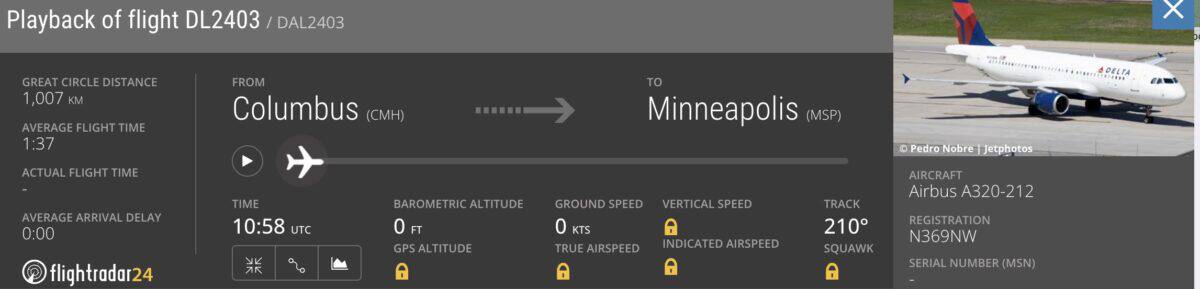
Image generated with Ai
On 2 July 2026, Delta Air Lines flight DL2403 from Columbus (CMH) to Minneapolis (MSP), operated by an Airbus A320 (N369NW), safety-diverted to Des Moines (DSM) after tracking towards its destination. The aircraft departed John Glenn Columbus International Airport at 07:07 but re-routed before arrival at its original hub, touching down safely in Iowa at 08:03.
Advertisement
Advertisement
Flight diversions occur under highly regulated parameters to guarantee passenger safety above all other operational priorities. Experienced flight crews quickly collaborate with dispatchers and air traffic control when unexpected variables, such as volatile weather or mechanical indications, disrupt the standard flight plan. By utilizing strategically selected alternate airports like Des Moines, airlines can efficiently manage regional disruptions without compromising safety margins.
Unfavourable meteorological conditions rank as the most frequent catalyst for unexpected route alterations in modern commercial aviation. Even if a destination hub remains legally open, sudden localized issues like severe low visibility, intense wind shear, or localized convective thunderstorms can make an approach attempt remarkably unsafe.
Beyond weather anomalies, flight crews must also balance medical emergencies and sudden technical indicators that dictate a immediate landing. When a passenger experiences a severe medical crisis or an onboard system reports a minor fault, the captain will always choose the most conservative path by heading to a well-equipped nearby diversion airport.
Aviation legislation mandates that every commercial flight plan must officially designate a viable alternate airport before the aircraft can push back from its gate. Flight dispatchers calculate these options based on runway lengths, local maintenance capabilities, and prevailing weather trends to ensure smooth emergency handling.
Advertisement
Advertisement
Aircraft must also legally carry a substantial fuel reserve specifically earmarked to navigate from the primary destination directly to this alternate location. This precise buffer guarantees that even during major air traffic bottlenecks, a flight like DL2403 retains enough fuel to hold, divert, and land with an absolute safety margin remaining.
What triggered this sudden change? Air traffic safety protocols forced the crew to abandon their path to Minneapolis. The primary cause stems from tactical safety management. When unexpected variables like sudden weather cells or technical indications occur, pilots act fast. Therefore, the reason they chose Des Moines is simple logistical convenience. This fallback airport handles Airbus mainline jets perfectly during a localized travel disruption.
Flight safety remains the highest priority for commercial aviation. This sudden route alteration safely placed the passengers on the ground without injury. Delta Air Lines quickly managed the aftermath to ensure everyone reached their final destination safely. Unexpected diversions prove that airlines will always choose caution over convenience when unforeseen issues arise mid-flight.
Ultimately, flight safety remains the highest priority for commercial aviation, overriding any scheduling pressures or financial constraints. This sudden route alteration safely placed the passengers on the ground without injury, proving that rigorous emergency protocols work seamlessly in real-time scenarios. Delta Air Lines quickly managed the aftermath at the terminal to ensure everyone reached their final destination safely, either via re-routed aircraft or alternative transport. Unexpected diversions prove that airlines will always choose caution over convenience when unforeseen issues arise mid-flight. In conclusion, while such incidents disrupt itineraries, they highlight the highly coordinated efforts that keep global air travel incredibly secure.
Advertisement
Tags: international arrivals, safari holidays, south africa tourism, Trusted Tour Operator, Visa regulations
Advertisement
Advertisement













Friday, September 4, 2026

Friday, September 4, 2026

Friday, September 4, 2026

Friday, September 4, 2026

Thursday, September 3, 2026

Wednesday, September 2, 2026

Friday, September 4, 2026