
Malaysia Airlines Steps Up With Batik Air and Others to Strengthen Market Positions as AirAsia Copes With Financial Pressure and Quarterly Loss

Published
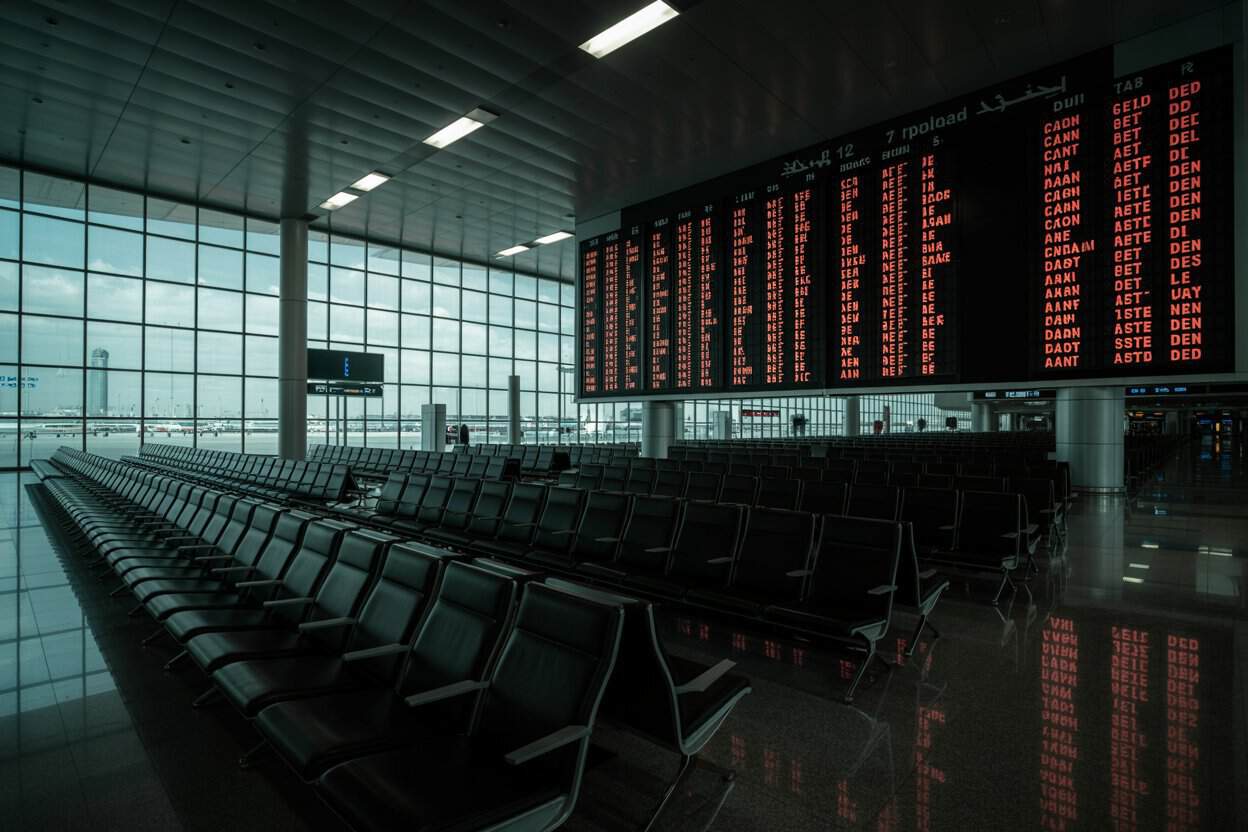
Malaysia Airlines steps up with Batik Air and others to strengthen market positions as AirAsia copes with financial pressure and a quarterly loss, creating a more competitive aviation landscape in Malaysia. The shift comes as AirAsia faces rising fuel costs and financial challenges, while rival carriers expand capacity, routes and networks to capture future passenger demand.
Malaysia’s aviation market is entering an unusually important period in 2026. AirAsia remains the country’s dominant low-cost airline, controlling about 40% of Malaysia’s overall aviation market and roughly 60% of domestic flying. However, soaring fuel costs and financial pressure have increased scrutiny around the carrier. AirAsia reported a second-quarter net loss of RM831 million, or about US$205 million, while current liabilities stood at RM18.4 billion, or about US$4.5 billion, as of 30 June 2026. Jet fuel costs surged 66% quarter on quarter, according to Reuters. Against this backdrop, Malaysia Airlines, Batik Air Malaysia, Firefly and Scoot are strengthening different parts of their networks, creating an increasingly competitive Malaysian aviation landscape.
Advertisement
Advertisement
Malaysia Airlines: National Carrier Builds Capacity as Market Conditions Shift
Malaysia Airlines is strengthening its position at a strategically important moment. The Malaysian government has asked the national carrier and Batik Air about their ability to absorb AirAsia domestic traffic under contingency scenarios, although this does not mean an AirAsia shutdown has been decided. Malaysia Airlines has meanwhile been expanding independently. It added 62 extra flights across high-demand domestic routes during major festive periods in May, while its wider 2026 strategy includes new Shenzhen and Changsha services and additional frequencies across international markets. Its China network was recording an average 85% load factor in Q1 2026. The combination of additional domestic capacity and international expansion leaves Malaysia Airlines better positioned to capture demand if Malaysia’s competitive aviation balance changes.
Batik Air Malaysia: Ready to Move Quickly if Domestic Capacity Opens
Batik Air Malaysia could become an especially important competitor if capacity gaps emerge. Chief executive Chandran Rama Muthy said the airline is able to bring aircraft in quickly to help absorb domestic market share if required. That statement is significant because AirAsia currently controls around 60% of Malaysia’s domestic flying, a scale no competitor could replace immediately. Batik Air is simultaneously strengthening its international network rather than waiting for market conditions to change. It launched a daily Kuala Lumpur–Sydney service from 1 July 2026 using Airbus A330 aircraft and has expanded towards important markets including China. The airline therefore enters this period with both expansion ambitions and an explicit willingness to add Malaysian capacity where commercially viable.
Advertisement
Advertisement
Firefly: Domestic Growth Gives MAG Another Strategic Advantage
Firefly provides Malaysia Aviation Group with another important tool as competition evolves. Its jet operations moved to Kuala Lumpur International Airport in August 2025 specifically to provide greater scalability, while turboprop operations remained at Subang. The airline subsequently developed jet connectivity to Tawau, Kuching, Kota Kinabalu, Singapore, Johor Bahru, Kota Bharu, Terengganu and Sibu, alongside expanded Penang services. Firefly and Malaysia Airlines also jointly supported peak domestic demand in 2026, particularly across East Malaysia. Firefly is now moving further internationally, with direct Kunming services marking its entry into China. This combination of domestic connectivity and controlled regional expansion gives MAG greater flexibility to deploy capacity as Malaysian passenger flows and competitive conditions evolve.
Scoot: Singapore Carrier Deepens Its Malaysian Footprint
Scoot is strengthening its Malaysian presence from another direction. The Singapore Airlines Group budget carrier now serves 12 Malaysian destinations with around 130 weekly flights between Singapore and Malaysia, making it the foreign airline serving the largest number of destinations in the country. Scoot carried more than 2.2 million passengers to and from Malaysia in the financial year ended March 2026, representing approximately 14% year-on-year growth. Its fleet exceeded 60 aircraft by June, while Malaysia remains one of its key markets. Scoot is not reported to be part of the Malaysian government’s AirAsia contingency discussions, but its scale means it is well placed to compete for cross-border and connecting passengers as Malaysia’s aviation market develops.
Advertisement
Advertisement
AirAsia: Financial Pressure Meets Strong Passenger Demand
AirAsia’s financial challenges provide the critical context, but they should not be confused with confirmation that the airline is heading for bankruptcy. Its Q2 2026 net loss was RM831 million, while current liabilities reached RM18.4 billion against RM954 million in cash and bank balances as of 30 June. Fuel costs rose sharply as average jet fuel prices reached US$183 per barrel during Q2, and AirAsia had no fuel hedging in place. Yet co-founder Tony Fernandes says the airline has strong liquidity and does not require a government bailout. AirAsia is pursuing more than US$1 billion in financing, returning 25 older aircraft, renegotiating supplier contracts and cutting weaker routes. Its Q3 load factor reached 80%, indicating that passenger demand remains substantial despite financial pressure.
Malaysia’s Aviation Battle Is Becoming About Capacity and Timing
The bigger story is therefore not simply AirAsia’s financial pressure. It is how rapidly Malaysia’s aviation market could rebalance if the dominant low-cost carrier were forced to reduce capacity. Malaysia Airlines and Batik Air have indicated willingness to expand organically, while Firefly is scaling within the Malaysia Aviation Group ecosystem and Scoot continues building a substantial cross-border presence. Yet replacing AirAsia would be exceptionally difficult. Tony Fernandes argues that no competitor could replace its approximately 100 Malaysian aircraft overnight, while the airline’s roughly 60% domestic share illustrates the enormous capacity involved. For competitors, 2026 nevertheless presents a rare opening: strengthen networks now, secure growing passenger flows and be positioned for whatever comes next in Malaysia’s increasingly competitive aviation market.
Malaysia Airlines steps up with Batik Air and others to strengthen market positions as AirAsia copes with financial pressure and quarterly loss, with rivals expanding capacity, routes and networks while AirAsia faces higher fuel costs and financial challenges in Malaysia’s competitive aviation market.
In conclusion, Malaysia Airlines steps up with Batik Air and others to strengthen market positions as AirAsia copes with financial pressure and quarterly loss. The changing aviation landscape reflects how rival carriers are expanding capacity, routes and networks while AirAsia works through higher fuel costs, financing needs and operational adjustments. Although AirAsia remains a major player in Malaysia, the growing presence of Malaysia Airlines, Batik Air, Firefly and Scoot is creating a more competitive market where airlines are preparing for future passenger demand and shifting industry conditions.
Advertisement
