
Singapore Aligns With Indonesia And More As Haze Spreads, Raising Travel Concerns

Published
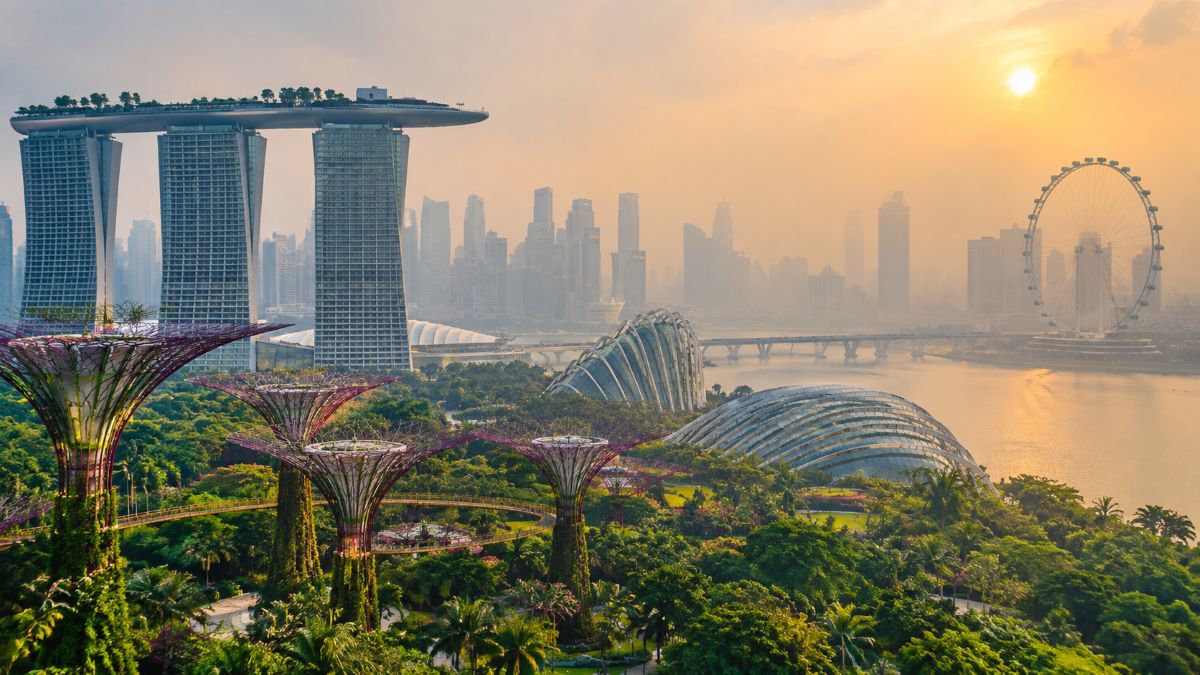
Image generated with Ai
Singapore’s air quality deteriorated into the unhealthy range on 4 September 2026 as smoke haze from worsening fires in Indonesia spread across parts of Southeast Asia, creating fresh concerns for residents, visitors and the region’s outdoor travel experience. The 24-hour Pollutant Standards Index (PSI) in Singapore’s central region reached 101 at 7am, crossing into the unhealthy band for the first time because of haze since 8 October 2023. By 2pm, the central reading had climbed to 107, while other parts of the island remained within the moderate range.
For travellers, the development comes as Singapore moves into a period of persistent dry conditions, with haze potentially affecting sightseeing, outdoor recreation and event planning. Singapore’s National Environment Agency (NEA) has activated daily haze advisories, including a 24-hour PSI forecast, giving residents and visitors a clearer basis for deciding when to undertake outdoor activities. At the same time, neighbouring Malaysia is experiencing significantly more severe conditions in parts of Sarawak, highlighting how rapidly the regional haze situation can vary.
Advertisement
Advertisement
Singapore’s Air Quality Crosses A Critical Travel Threshold
The central region’s PSI reading of 101 placed it at the beginning of Singapore’s unhealthy category, which runs from 101 to 200. The deterioration was not uniform across the island, however. At 2pm, the west recorded 90, the east 91, the north 79 and the south 77.
This distinction is important for travellers because Singapore’s air-quality conditions can vary geographically and change during the day. Instead of assuming that the entire city is experiencing identical conditions, visitors planning outdoor sightseeing should follow the latest official forecast before setting out.
Advertisement
Advertisement
The return of unhealthy haze conditions is particularly significant because Singapore had not reached this threshold due to haze since October 2023. The renewed deterioration demonstrates how regional weather patterns and fire activity can quickly influence conditions in the city-state.
Indonesia’s Fires Drive A Wider Southeast Asian Haze Risk
Indonesia remains at the centre of the regional situation, with fire hotspots increasing again across Borneo after a temporary decline. Dry conditions have contributed to the persistence of fires across parts of Kalimantan and Sumatra, while winds can carry smoke beyond national borders.
Advertisement
Advertisement
The regional risk is being amplified by weather conditions expected to remain dry. Singapore entered September under the Southwest Monsoon, with winds mainly from the southeast or southwest. NEA had already warned that prolonged dryness and intensifying fires in Sumatra and Kalimantan could increase Singapore’s exposure to transboundary haze.
The current situation therefore has implications extending beyond air quality. Haze can affect visibility, outdoor comfort and the attractiveness of open-air attractions, while businesses and event organisers may need to adjust plans when pollution levels rise.
Advertisement
Advertisement
Malaysia Shows How Quickly Conditions Can Deteriorate
The travel impact is even more pronounced in parts of Malaysia. Serian in Sarawak recorded an Air Pollutant Index reading of 515 on 4 September, prompting authorities to declare a state of emergency in the district. Under Malaysia’s air-quality scale, readings above 400 are classified as very hazardous. Kuching also recorded a hazardous reading of 306, while Samarahan reached 292.
The contrast between Singapore and Borneo illustrates the uneven nature of the haze crisis. While Singapore’s central region has entered the unhealthy category, some Malaysian locations are experiencing conditions far more severe.
For regional travellers combining Singapore with Malaysian destinations, this makes destination-specific air-quality monitoring especially important. A clear morning in one location does not necessarily indicate similar conditions elsewhere.
Travel Planning Becomes More Weather Dependent
Singapore remains a major international tourism hub, with attractions, shopping districts, cultural sites and outdoor experiences forming a substantial part of the visitor experience. Haze does not automatically mean that travel should stop, but it can make flexible planning more important.
Advertisement
Advertisement
Outdoor attractions, walking tours, gardens and recreational activities may become less comfortable when particulate pollution increases. Travellers can respond by placing outdoor sightseeing during periods when conditions are more favourable and keeping indoor attractions available as alternatives.
The new daily haze advisories are particularly useful for this purpose. NEA began issuing them from the evening of 4 September, with the 24-hour PSI forecast designed to help people plan activities and events for the following day.
| Location Or Indicator | Latest Reported Reading | Travel Significance |
|---|---|---|
| Singapore Central | PSI 107 at 2pm | Unhealthy conditions |
| Singapore West | PSI 90 at 2pm | Moderate conditions |
| Singapore East | PSI 91 at 2pm | Moderate conditions |
| Singapore North | PSI 79 at 2pm | Moderate conditions |
| Singapore South | PSI 77 at 2pm | Moderate conditions |
| Serian, Sarawak | API 515 | Very hazardous conditions |
| Kuching, Sarawak | API 306 | Hazardous conditions |
The figures underline why travellers should rely on current local readings rather than broad regional assumptions.
Authorities Strengthen Haze Preparedness
Singapore’s Haze Task Force has activated agency-level action plans as conditions deteriorate. NEA is increasing public information, while healthcare institutions have preparedness measures that include air purifiers, fans and portable air coolers where appropriate.
Authorities are also advising people to reduce prolonged or strenuous outdoor activity when conditions are unhealthy. The guidance is particularly relevant for visitors who may otherwise spend several consecutive hours sightseeing outdoors.
The government has also outlined additional contingency measures should conditions worsen. Air-conditioned rooms at community centres and selected residents’ committee centres are being prepared as potential respite locations if the PSI rises beyond 200.
Advertisement
Advertisement
What The Haze Means For Visitors
For international visitors, the immediate priority is not necessarily cancelling a Singapore trip but adapting the itinerary to current conditions. Indoor attractions, museums, shopping areas, restaurants and covered entertainment venues can provide alternatives when outdoor pollution rises.
Travellers should also remain aware that haze intensity can change quickly. Singapore’s air-quality monitoring system provides a more useful guide than relying solely on photographs or general weather forecasts.
Those particularly sensitive to air pollution should take greater care. NEA advises vulnerable groups to minimise outdoor activity when forecasts reach the very unhealthy range, while people should seek medical attention if they develop symptoms or feel unwell.
Dry September Raises Further Uncertainty
The haze situation could remain a concern because Singapore and surrounding areas are experiencing a period of below-average rainfall. NEA expects dry conditions to continue through the first fortnight of September, with maximum temperatures generally between 33°C and 35°C and occasional days slightly above 35°C.
These conditions create an important backdrop for the current fires. If dryness persists and fires intensify, the risk of further transboundary haze remains. Conversely, changing winds or rainfall could improve air quality.
For the travel industry, this uncertainty makes real-time communication increasingly important. Hotels, tour operators, event organisers and attractions can use daily air-quality forecasts to help visitors make informed decisions without unnecessarily disrupting travel plans.
Advertisement
Advertisement
Regional Travel Faces A Fresh Environmental Test
Singapore’s latest haze episode demonstrates how closely Southeast Asian travel markets are connected to environmental conditions beyond individual borders. Fires in Indonesia can affect air quality in Singapore and Malaysia, while weather patterns determine how smoke travels and where pollution becomes most severe.
The current episode also reinforces the importance of responsible travel planning during extreme environmental conditions. Visitors should monitor official air-quality information, remain flexible with outdoor itineraries and prioritise personal safety when pollution levels rise.
Singapore’s central PSI crossing 100 is a notable warning sign, but the situation remains dynamic. With daily advisories now being issued and authorities actively monitoring conditions, travellers have more information available to adjust plans as the regional haze situation develops.
Frequently Asked Questions
1. Why has Singapore’s air quality become unhealthy?
Smoke haze from fires in neighbouring Indonesia has spread across parts of Southeast Asia, contributing to deteriorating air quality in Singapore.
2. What was Singapore’s central PSI reading on 4 September 2026?
Advertisement
Advertisement
The central region reached 101 at 7am and rose to 107 by 2pm.
3. Is the whole of Singapore experiencing unhealthy air quality?
No. The central region entered the unhealthy range, while other regions remained in the moderate range at the reported afternoon readings.
4. Does the haze affect tourists in Singapore?
It can make prolonged outdoor activities less comfortable and may require visitors to adjust sightseeing plans according to current air-quality conditions.
5. Is Singapore issuing daily haze advisories?
Advertisement
Advertisement
Yes. NEA began daily haze advisories from the evening of 4 September, including a 24-hour PSI forecast.
6. Which areas in Malaysia are badly affected?
Serian and other parts of Sarawak have experienced very serious pollution, with Serian recording an API above 500.
7. What should travellers do during unhealthy haze?
Visitors should reduce prolonged or strenuous outdoor activity and monitor official air-quality forecasts before planning outdoor activities.
8. Could the haze situation worsen?
Advertisement
Advertisement
Yes. Continued dry conditions and increased fire activity could sustain or intensify transboundary haze, although weather changes can also improve conditions.
9. Is it still possible to visit Singapore during the haze?
Yes, but travellers should remain flexible, monitor air quality and consider indoor attractions when pollution levels are elevated.
10. Why is September important for the haze situation?
September is occurring during a notably dry period, while authorities are monitoring persistent fires and regional winds that can transport smoke towards Singapore.
Advertisement
