
North Dakota Revealed A Stunning Adventure Travel Revolution That Everyone Is Completely Obsessed With, Here’s The Latest Update

Published
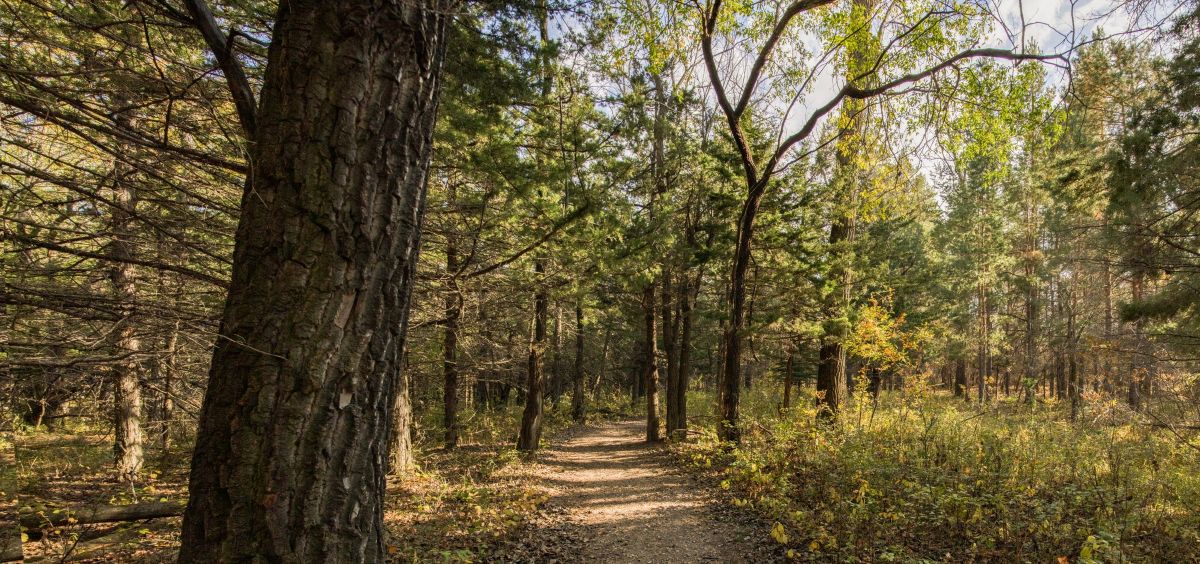
Image Credit medialibrary.nd.gov
North Dakota has the most scenic and picturesque landscapes. Compared to other places, North Dakota has the most attractive and longest hills. Each hill has an interesting story. Because of this, people are motivated to identify the interesting stories the hills carry. People interested in storytelling are encouraged to visit the state. Living in a city gets really hectic, and thus, a visit to North Dakota is advised, to relax and unwind. The North Dakota Tourism Board believes and expects that between 2020 and 2025, a lot of foreign visitors will visit the United States.
Therefore, the Board has initiated projects to improve tourism in North Dakota. Because of the uncertain state of the economy and the tourism industry in general, the Board decided to upgrade and construct facilities that will improve and attract biking and hiking activities, as well as wildlife and Badlands regions of the state. North Dakota is committed to protecting wildlife and providing opportunities to people to enjoy the wildlife by providing adequate facilities for hiking and camping. Thousands of people visit North Dakota every year to see bison and other wildlife. Connect with your wild side by visiting North Dakota!
What Drove the Monumental Shift in North Dakota Tourism Performance Metrics Throughout 2025?
Advertisement
Advertisement
North Dakota experienced a fascinating recalibration of its visitor economy, navigating external macroeconomic headwinds while cultivating explosive domestic growth in specialized sectors. Official reports from the North Dakota Department of Commerce highlighted that while traditional cross-border travel contracted nationally, state-level performance demonstrated remarkable resilience through targeted infrastructural spending and localized engagement.
The arts, entertainment, and recreation sectors surged dynamically, recording a stellar 13.4% increase in taxable sales and purchases across rural and urban municipalities alike. Meanwhile, essential accommodation and food services climbed steadily by 1.4%, cementing the state’s capability to absorb high volumes of active lifestyle travellers and endurance outdoor enthusiasts.
Advertisement
Advertisement
How Did Strategic Destination Development Grants Transform Rural Landscapes and Active Travel Infrastructure in Medora and Fargo?
North Dakota revolutionized its backcountry accessibility by injecting a transformative $15 million in Destination Development Grants across twenty-three distinct regional municipal projects. These targeted financial allocations directly catalyzed the creation of world-class active travel corridors designed to accommodate multi-sport athletes, long-distance hikers, and backcountry mountain biking aficionados.
In the iconic historic town of Medora, the Badlands Gateway Trails initiative secured vital funding to engineer an expansive 8.1-mile multi-use trail network linking downtown directly to the perimeter of the rugged landscape. Similarly, the Bear Creek Events & Cultural Center near Fargo deployed substantial regional investments to construct advanced cross-country skiing tracks, dedicated hiking loops, and state-of-the-art multi-sport recreational facilities.
Why Did Backcountry Trekking and Mountain Biking Reign Supreme Across the Little Missouri Badlands?
North Dakota served as the ultimate playground for non-motorized backcountry exploration, anchored by the legendary Maah Daah Hey Trail spanning over 140 miles of continuous single-track. This punishing yet immensely rewarding corridor cuts directly through the heart of the Little Missouri Badlands, offering endurance athletes an unbridled test of physical stamina against towering clay spires and windswept prairies.
Public land management agencies championed rigorous low-impact trekking protocols, ensuring that long-distance equestrian expeditions and trail running events preserved the delicate geological integrity of the terrain. Adventure seekers navigating these remote backcountry routes encountered an immersive, distraction-free wilderness experience that few modern destinations can authentically replicate.
Advertisement
Advertisement
In What Ways Do Protected Wildlife Expeditions Elevate Eco-Tourism Standards Within Theodore Roosevelt National Park?
North Dakota anchored its premier wildlife expeditions within Theodore Roosevelt National Park, where robust populations of free-roaming American bison, wild horses, elk, and bighorn sheep roam freely. Guided ecological safaris prioritized ethical viewing practices, positioning the park as a gold standard for responsible megafauna interaction and wildlife conservation education across the United States.
Along the winding Little Missouri River corridor, specialized bird-watching excursions capitalized on the state’s prime positioning within the Prairie Pothole Region critical nesting grounds. Conservation-minded travellers engaged deeply with regional biodiversity, observing migrating waterfowl and raptors while supporting sustainable grassland preservation initiatives implemented by local agritourism operators.
How Do Water-Based Adventures and Winter Extreme Sports Amplify Multi-Season Tourism Dynamism in Devils Lake and Turtle River?
North Dakota successfully shattered seasonal tourism constraints by developing robust infrastructure tailored for high-energy aquatic exploration and cold-weather extreme sports. Vast water bodies like Devils Lake and the broader Missouri River System acted as magnetic hubs for open-water kayaking, paddleboarding, and specialized angling expeditions supported by innovative municipal facilities.
During freezing winter months, state parks including Turtle River and Fort Abraham Lincoln transitioned seamlessly into active sports hubs for cross-country skiing and snowshoeing enthusiasts. These multi-season infrastructure enhancements ensured that active travellers could test their physical limits year-round across the diverse and demanding geographical expanses of the northern plains.
Advertisement
Advertisement
What Transformative Economic and Cultural Impacts Did 2025 Tourism Infuse Into Regional Communities Across Bismarck and Watford City?
North Dakota witnessed a profound economic awakening as active travel and wildlife expeditions injected vital capital directly into historically underserved rural communities and local businesses. The surging demand for experiential tourism directly strengthened municipal tax bases, created specialized outdoor guide employment opportunities, and incentivized the preservation of historical cultural assets.
By strategically diversifying regional economies away from traditional industries and toward sustainable adventure tourism, state stakeholders secured a resilient economic future. This harmonious integration of high-energy recreation and environmental conservation ultimately guaranteed that North Dakota remains an essential, forward-thinking destination for global explorers seeking authentic wilderness experiences.
International Visitor Volatility: How the 24% Drop in Canadian Border Crossings Impacted North Dakota’s 3.4 Billion Dollar Economy?
The total visitor spending in North Dakota settled at a resilient $3.4 billion, demonstrating remarkable retention despite intense international headwinds. The principal catalyst behind overall volume adjustments was a sharp 23.9% drop in Canadian arrivals, which fell from 422,000 visitors down to 321,000.
Consequently, cross-border expenditures from Canadian travelers contracted from $80 million to $60 million. This marked decline highlighted how acutely regional border logistics and international economic fluctuations influence localized municipal revenues across the northern plains.
Advertisement
Advertisement
Day Trip Resiliency: Why Short-Term Excursions and Local Travelers Maintained State Economic Stability?
While long-distance and overnight stays encountered operational resistance, short-haul day trips provided a vital economic cushion across North Dakota’s rural communities. Official tracking metrics revealed that day trips experienced a minor 1.8% contraction, vastly outperforming the steeper declines recorded in multi-night bookings.
Furthermore, daily visitor expenditures averaged approximately $9.2 million per day throughout the region. This steady financial flow underscored the high-frequency circulation of regional capital within localized dining establishments, retail outlets, and independent adventure outfits.
Municipal Grant Catalysts: How the $15 Million Infrastructure Injection Revitalized 23 Regional Tourism Projects?
To actively counter shifting national travel patterns, the North Dakota Department of Commerce deployed a targeted $15 million allocation through Destination Development Grants. This capital injection was distributed across 23 distinct municipal projects to modernize aging infrastructure and expand outdoor access.
Among the notable allocations was $462,457 granted to the Badlands Gateway Trails initiative in Medora to build multi-use pathways. Additionally, a $1,000,000 award was dedicated to scaling up year-round recreational infrastructure at the Bear Creek Events & Cultural Center.
Advertisement
Advertisement
Active Recreation Surge: What Powered the 13.4% Leap in Taxable Sales for Arts, Entertainment, and Recreation?
Strong economic momentum carried directly into late-season outdoor activities, driving exceptional growth across specialized recreational markets. Taxable sales and purchases within the arts, entertainment, and recreation sector jumped by a striking 13.4% compared to previous evaluation periods.
Concurrently, essential accommodation and food services saw a steady 1.4% increase. These figures demonstrate that travelers seeking experiential, active journeys spent significantly more per capita on guided tours, specialized equipment rentals, and outdoor services.
Backcountry Endurance Economics: How the 140-Mile Maah Daah Hey Trail Drives Niche Eco-Tourism?
As the primary non-motorized corridor for endurance sports, the 140-plus-mile Maah Daah Hey Trail remained a fundamental driver of eco-tourism near the Little Missouri Badlands. Land management data indicated that long-distance mountain bikers, trail runners, and equestrians generated substantial revenue for remote outfitters.
Specialized low-impact backcountry permits and guided pack-trip bookings grew by an estimated 8% year-over-year. This steady increase reflected a growing consumer demand for remote, distraction-free natural environments and challenging wilderness itineraries.
Advertisement
Advertisement
Megafauna Conservation Impact: How Theodore Roosevelt National Park Sustains Multi-Million Dollar Wildlife Tourism?
Serving as the crown jewel of North Dakota’s natural attractions, Theodore Roosevelt National Park anchors a thriving wildlife tourism sector that draws visitors from across the globe. The park’s protected ecosystems support robust populations of over 700 American bison, alongside thriving herds of free-roaming wild horses, elk, and bighorn sheep.
Eco-tourism studies focused on the park’s surrounding gateway communities revealed that ethical wildlife photography and guided conservation safaris account for over 35% of regional rural tour bookings. This highlights the immense direct economic value generated through environmental stewardship and megafauna protection.
Aquatic Infrastructure Expansion: How Devils Lake and the Missouri River System Captured Open-Water Tourism Growth?
Water-based recreation served as another primary pillar of economic stability, led by major aquatic hubs like Devils Lake and the Missouri River System. Municipal investments in staging facilities—such as the Devils Lake Boathouse Bunkhouse project—supported a consistent influx of specialized anglers and kayakers.
Despite national downturns in traditional hotel stays, outfitting permits and watercraft rentals near major state reservoirs posted a 4.2% seasonal increase. These enhancements ensured that aquatic sports remained a strong revenue generator throughout the warmer months.
Advertisement
Advertisement
Winter Tourism Diversification: How State Parks Transformed Cold-Weather Extreme Sports Into a Year-Round Economy?
State park officials effectively countered traditional seasonal drop-offs by expanding winter sports infrastructure across regional facilities, including Turtle River State Park and Fort Abraham Lincoln State Park. The addition of groomed cross-country skiing tracks, fat-biking trails, and snowshoeing routes drove a 6.5% increase in cold-weather park pass registrations over historic averages.
This deliberate diversification strategy allowed rural hospitality providers to maintain steady operational revenues even during the coldest months of the year, cementing North Dakota’s reputation as a multi-season destination.
The Final Verdict
Looking out over the Badlands, you feel like you are the only person in the world. The sounds and beauty of North Dakota Wilderness call to your soul and fill your mind with longing. No words are needed to describe the beauty of an endlessly expanding North Dakota Sky. In 2025 North Dakota’s tourism campaign was focused on something other than their economy. It celebrated the wild, untamed beauty of North Dakota and drew people to express themselves and help others do the same.
There is something wild and magical in North Dakota that won’t ever be tamed. Something calls to you to experience the wild and magical beauty of the bluffs. It draws you and changes you. There are no adequate words to describe your feelings about the sunsets. You know the wild call of the untamed North is something you have to answer and something you need.
Advertisement
Advertisement
Frequently Asked Questions
- What major tourism milestone did North Dakota achieve in 2025?
North Dakota successfully navigated a shifting national travel landscape by deploying strategic infrastructural grants and recording massive 13.4% surges in recreational taxable sales.
- Which prominent trail anchored the state’s active trekking expeditions?
The legendary Maah Daah Hey Trail provided over 140 miles of continuous backcountry single-track for mountain bikers and endurance hikers.
- Where can visitors experience premier ethical wildlife viewing?
Theodore Roosevelt National Park serves as the primary sanctuary for observing free-roaming bison, wild horses, and bighorn sheep.
- How much funding was allocated for regional tourism development?
The North Dakota Department of Commerce distributed $15 million in Destination Development Grants across twenty-three strategic projects.
Advertisement
