
How Syria’s Aleppo Citadel Is Using AI and “Touristech” to Save Ancient History

Published
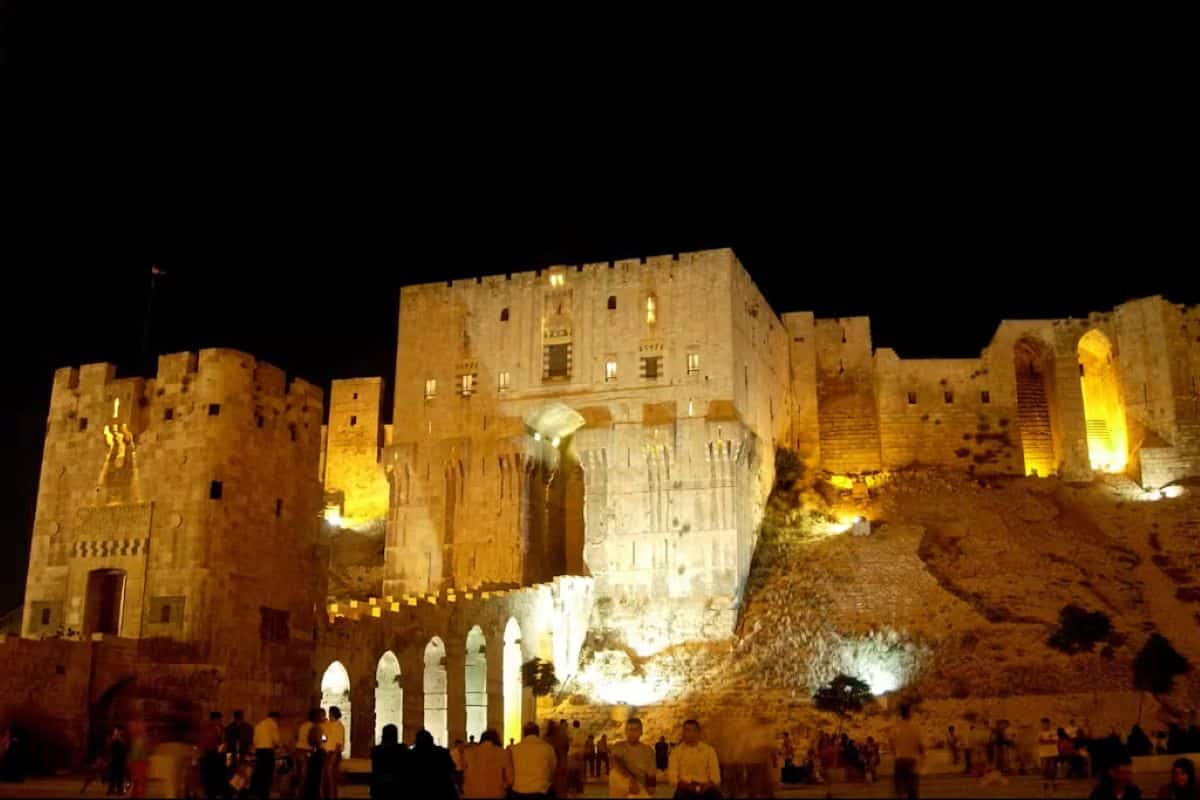
For travellers, historians, and culture buffs eager to see the ancient civilisations, the intersection of modern technology and deep history has never been more necessary. The ancient Aleppo Citadel, one of the biggest and oldest castles in the world, is undergoing a monumental makeover.
Syrian Minister of Tourism Mohammad Raafat Al-Salhani has inaugurated the pioneering “Touristech” project, launching the new era of digital preservation. Readers who want to stay ahead of the curve in global travel trends and efforts to preserve cultures must understand this shift immediately, as it redefines the way humanity interacts with UNESCO World Heritage sites. With immersive digital resources and future artificial intelligence integrations, a timeless fortress is being secured for future generations. This is a must-read for anyone passionate about global heritage tourism.
The Vision Behind the “Touristech” Initiative
The inception of the Touristech project marks a pivotal turning point for Syrian tourism infrastructure. Decades of conflict and natural disasters have taken a severe toll on architectural marvels across the region, necessitating innovative recovery strategies. According to official announcements by Minister Al-Salhani, the Touristech framework has been designed to breathe new life into the ancient stones of the citadel by leveraging cutting-edge digital infrastructure.
Instead of relying solely on traditional restoration methods, the Ministry of Tourism is championing a comprehensive technological overhaul. This initiative aims to enhance visitor experiences, streamline site management, and create robust digital archives. By transforming how historical data is collected and presented, the project ensures that global audiences can engage with the citadel’s rich narrative without putting physical stress on fragile archaeological structures.
Advertisement
Advertisement
Integrating Artificial Intelligence Into Heritage Conservation
A cornerstone of the visionary “Touristech” roadmap is the planned integration of artificial intelligence in the coming phases. Minister Al-Salhani has emphasized that artificial intelligence will serve as a powerful enhancement tool rather than a substitute for human expertise.
Within the context of cultural heritage, artificial intelligence will be deployed to analyze structural integrity patterns, predict environmental wear and tear, and process vast amounts of historical data at unprecedented speeds. Furthermore, AI-driven virtual tour guides and augmented reality applications are expected to be rolled out. These systems will interpret complex historical contexts in real-time, tailoring narratives to individual visitors. This harmonious blend of machine intelligence and human stewardship ensures that the soul of Aleppo remains intact while embracing the digital age.
Advertisement
Advertisement
Revitalizing Global Tourism Through Digital Preservation
The implementation of digital tourism technologies addresses a critical question shared by global travellers: How can fragile historical sites remain accessible without suffering degradation?
By utilizing high-resolution 3D laser scanning, photogrammetry, and interactive digital twins, visitors can explore inaccessible chambers, subterranean water systems, and ancient defensive towers remotely or on-site via smart devices. Government data indicates that such digitization significantly boosts international interest, increases educational outreach, and fosters global solidarity for heritage preservation. Travelers are increasingly prioritizing destinations that embrace sustainable, tech-forward preservation methods, positioning Aleppo at the forefront of modern cultural tourism.
Economic and Cultural Impacts on the Local Community
Beyond technological innovation, the Touristech project serves as a vital economic catalyst for the city of Aleppo. The revitalization of the citadel through modern digital platforms is expected to attract a higher volume of international tourists, researchers, and tech-savvy explorers.
Increased foot traffic and digital engagement directly support local businesses, artisans, and hospitality providers operating in the surrounding historic souks. Training programmes are also being established to equip local guides and technicians with the digital literacy required to manage these advanced systems. Consequently, the project not only preserves physical stones but also empowers the living community that surrounds the ancient monument, fostering sustainable socio-economic recovery.
A Blueprint for Future Heritage Sites
The launch of the “Touristech” project at the Aleppo Citadel is proof that ancient history and modern innovation can coexist peacefully. History preservation is in the dawn of its golden age and governments need to take a strategic lead and commit to non-disruptive technology integration. For travellers and history buffs alike, following these developments provides a profound glimpse into the future of global exploration.
Advertisement
