
Bahrain Teams Up With UAE And More In Battling With Oil And Gas Price Increase As Strait Of Hormuz Tensions Threaten Travel And Regional Energy Supply

Published
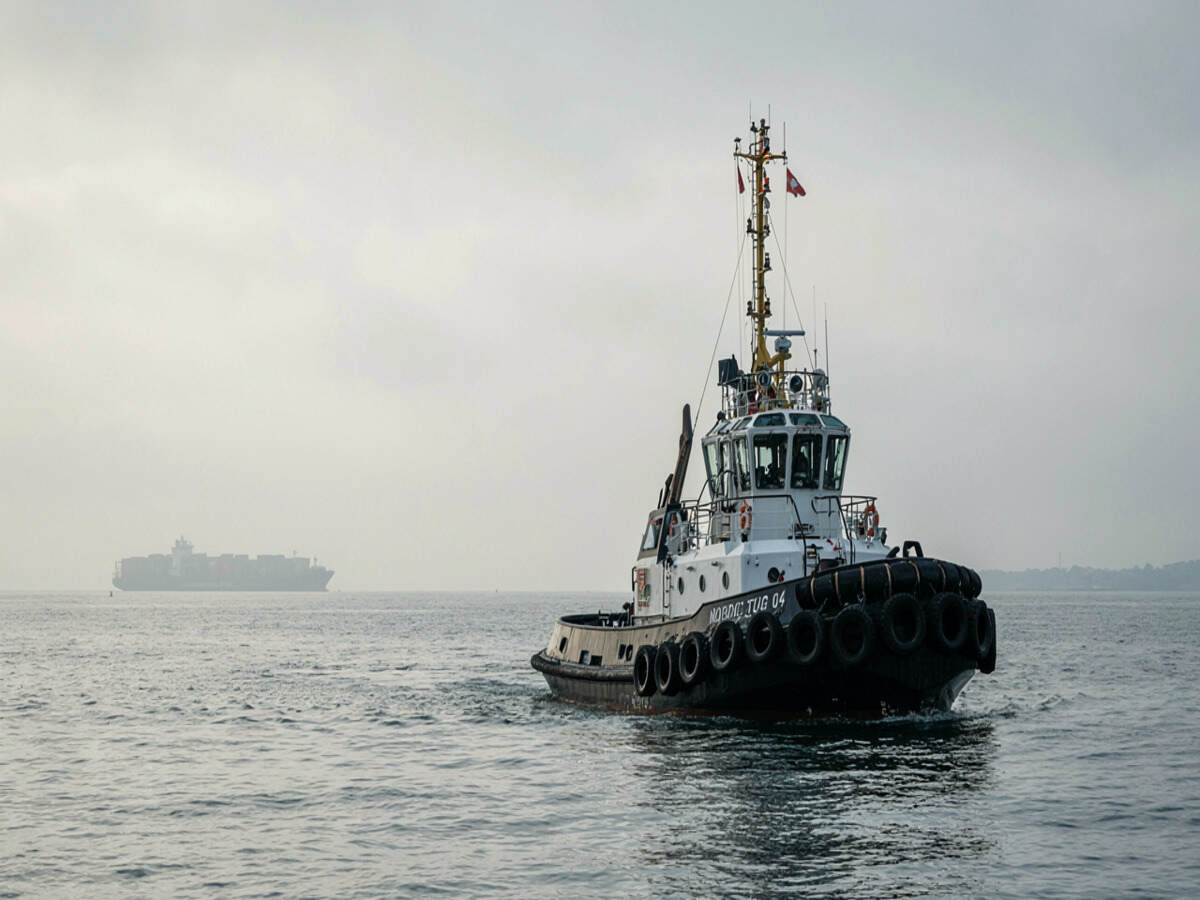
Gulf nations form coalition as tensions at the Strait of Hormuz spike, causing prices to soar in the region’s oil and natural gas market. The Persian Gulf is experiencing an unprecedented level of geo-political pressure combined with market volatility. As tensions continue to rise around the Strait of Hormuz—considered to be the most important transit bottleneck for crude oil in the world—the global energy markets have shown volatile behavior with respect to price movements. A strategic alliance has been formed by several Gulf nations including Bahrain and the UAE in order to stabilize prices.
The Crisis at the Strait of Hormuz: Context and Impact
The Strait of Hormuz serves as the gateway through which approximately 20% of the world’s petroleum and liquefied natural gas (LNG) supplies pass daily. Escalating military posturing, maritime security threats, and targeted disruptions along key shipping lanes have created severe friction in global energy distribution.
Core Drivers of the Current Energy Surge
- Rising Maritime Risk Premiums: War-risk insurance surcharges for commercial oil tankers operating in the Gulf have escalated rapidly, directly increasing the landed cost of crude and refined petroleum products.
- Supply Chain Bottlenecks: Tankers are altering speeds, adjusting anchorages, or taking alternate navigational routes around high-risk maritime zones, introducing operational lag into global supply chains.
- Global Benchmark Spikes: Unpredictability surrounding supply security has pushed international crude benchmarks, including Brent and Murban, past key resistance levels, triggering downstream fuel and natural gas price adjustments across multiple markets.
Country-by-Country Impact & Strategic Responses
While every nation in the region is exposed to the broader macroeconomic ripple effects of the crisis, each country’s economic framework, domestic pricing policy, and energy infrastructure shape its unique operational strategy.
       GULF COOPERATION COUNCIL (GCC) REGIONAL RESPONSE
┌─────────────────────────────────────────────────────────────┐
│                 JOINT COALITION STRATEGY                    │
├──────────────────────────────┬──────────────────────────────┤
│    MARKET-LINKED STATES     │    SUBSIDIZED PRICE STATES   │
├──────────────────────────────┼──────────────────────────────┤
│  • UAE                       │  • Bahrain                   │
│  • Oman                      │  • Saudi Arabia              │
│                              │  • Kuwait & Qatar            │
├──────────────────────────────┴──────────────────────────────┤
│  COORDINATED GOALS:                                         │
│  1. Maritime Route Security & Convoy Coordination           │
│  2. Strategic Fuel & LNG Reserve Optimization               │
│  3. Domestic Market Price Mitigation & Transport Relief     │
└─────────────────────────────────────────────────────────────┘
The Kingdom of Bahrain
Bahrain’s alliance with the UAE and wider GCC partners forms a crucial component of the regional effort to stabilize trade, energy pricing, and consumer supply lines.
Advertisement
Advertisement
- Domestic Energy Market Structure: Bahrain operates under a national energy management framework where domestic fuel rates are largely set and stabilized via government policy, protecting retail consumers from immediate global market swings.
- Operational Challenges: As a importer of raw materials and dependent on regional maritime trade for consumer goods, elevated freight charges and rising LNG import costs place significant budget pressure on national utilities and transportation networks.
- Coalition Initiatives:
- Joint Logistics Protection: Partnering with regional navies and defense initiatives to ensure commercial freight and energy tankers moving toward Bahraini ports maintain secure passage.
- Resource Pooling: Coordinating with neighboring natural gas suppliers to guarantee uninterrupted power generation and industrial output during supply bottlenecks.
The United Arab Emirates (UAE)
As a primary global financial and aviation hub, the UAE’s response combines market transparency, strategic infrastructure utilization, and diplomatic economic engagement.
- Domestic Energy Market Structure: The UAE fully deregulated its domestic fuel prices in 2015. Monthly retail rates for petrol (Super 98, Special 95, E-Plus 91) and diesel fluctuate in direct alignment with international crude prices.
- Operational Impact: Retail fuel prices in the UAE have experienced direct upward adjustments, pushing pump prices higher and creating downstream impacts on transport, commercial logistics, and ride-hailing fares.
- Strategic Measures:
- Fujairah Pipeline Utilization: Leveraging the Habshan-Fujairah crude pipeline to bypass the Strait of Hormuz entirely, exporting crude directly to the Gulf of Oman and reducing exposure to maritime choke points.
- Domestic Freight Offsets: Expanding targeted logistics subsidies for small and medium-sized enterprise (SME) fleets to prevent runaway inflation in local supply chains.
The Kingdom of Saudi Arabia
As the largest economy in the GCC and a global energy heavyweight, Saudi Arabia plays a dual role: balancing domestic consumer stability while stabilizing global crude supply markets.
Advertisement
Advertisement
- Domestic Energy Market Structure: Saudi Arabia enforces strict government price caps on domestic retail fuels (Petrol 91 and Petrol 95), absorbing global market price surges at the state level to maintain local consumer stability.
- Operational Impact: While residents at the pump remain shielded from international price surges, national energy companies absorb the operational, insurance, and security costs of maintaining export volumes through sensitive waterways.
- Strategic Measures:
- East-West Pipeline Optimization: Rerouting crude oil shipments via the Petroline (East-West Pipeline) to Red Sea terminals at Yanbu, bypassing the Strait of Hormuz for a portion of western exports.
- Global Supply Buffer: Maintaining active spare production capacity to reassure global markets and dampen extreme speculative pricing spikes.
The Sultanate of Oman
Oman’s geographic position outside the immediate choke point of the Strait of Hormuz gives it a unique strategic role in the regional joint response.
- Domestic Energy Market Structure: Oman maintains a dual system featuring a targeted price cap on basic M91 fuel for lower-income citizens, while higher-grade M95 petrol and commercial diesel track market dynamics closely.
- Operational Impact: Commercial fleets and non-subsidized transport sectors have faced rising fuel bills, leading to localized cost adjustments in industrial production and heavy transport.
- Strategic Measures:
- Alternative Bunkering Hub: Positioned along the Gulf of Oman and the Arabian Sea, Omani ports like Sohar and Salalah are serving as alternate bunkering and ship-to-ship transfer hubs for international maritime carriers looking to avoid higher-risk zones.
- Cross-Border Energy Exchange: Working directly with the UAE and Bahrain to manage natural gas distribution networks across shared pipeline networks.
The State of Kuwait
Kuwait’s heavy reliance on maritime shipping through the Gulf makes its participation in the coalition vital for national supply security and export continuity.
- Domestic Energy Market Structure: Local retail petrol and diesel rates are strictly controlled through a government committee, insulating domestic residents from extreme short-term price spikes.
- Operational Impact: While consumer pump prices are stable, state revenues absorb higher shipping fees, war-risk insurance premiums, and elevated chartering costs for state oil tankers.
- Strategic Measures:
- Fleet Protection & Escort Protocols: Collaborating with regional joint naval tasks forces to secure oil transport vessels exiting the Persian Gulf.
- Strategic Stockpile Allocation: Increasing domestic reserves of critical refined fuels to guarantee uninterrupted internal power supply during localized disruptions.
The State of Qatar
As one of the world’s leading exporters of Liquefied Natural Gas (LNG), Qatar’s energy export routes are central to global power grids and regional industrial production.
- Domestic Energy Market Structure: Domestic fuel rates are set monthly by state energy authorities using a capped formula, minimizing sudden retail price shocks for local consumers.
- Operational Impact: Threat dynamics in the Strait directly impact LNG tanker scheduling, forcing Qatar Energy to coordinate closely with international buyers and regional partners to manage transit windows.
- Strategic Measures:
- LNG Fleet Optimization: Deploying specialized Q-Max and Q-Flex LNG carriers equipped with advanced navigational security systems.
- Regional Power Grid Integration: Maintaining reliable natural gas supplies via regional pipeline infrastructure (such as the Dolphin Gas Project) to maintain grid stability across partner states.
Regional GCC Energy Framework Comparison
| Country | Domestic Fuel Price Model | Primary Impact of Crisis | Core Mitigation Strategy |
| Bahrain | Capped / State-Stabilized | Import cost inflation, rising freight fees | Joint naval coordination, utility gas reserves |
| UAE | Deregulated / Market-Linked | Rising retail fuel prices, higher logistics costs | Habshan-Fujairah pipeline, SME transport relief |
| Saudi Arabia | Government Price Capped | High state absorption costs, infrastructure security | Petroline Red Sea bypass, spare production capacity |
| Oman | Hybrid (Capped M91 / Capped M95) | Commercial transport cost increases | Leveraging Arabian Sea ports (Sohar/Salalah) |
| Kuwait | State-Subsidized | Elevated maritime tanker insurance & freight | Strategic refining reserves, joint fleet security |
| Qatar | State-Capped Formula | LNG transit risk & export schedule adjustments | Advanced LNG carrier routing, Dolphin pipeline security |
Strategic Pillars of the Bahrain-UAE Joint Energy Stabilization Plan
To counter the compounding economic risks posed by rising oil and gas prices, the coalition has established a four-part strategy to safeguard regional stability:
Infrastructure Routing and Transit Diversion
- Maximizing Pipeline Capabilities: Prioritizing overland pipelines—such as the UAE’s Fujairah line and Saudi Arabia’s Petroline—to bypass maritime danger zones and move crude directly to open-ocean terminals.
- Port Optimization: Redirecting non-essential container and energy transport to ports located outside the Strait, minimizing congestion and risk exposure for essential tankers.
Supply Chain Security and Maritime Safety
- Joint Escort Operations: Enhancing naval monitoring and defensive escorts along key commercial shipping channels to restore maritime confidence and lower war-risk insurance premiums.
- Unified Early-Warning Systems: Establishing real-time intelligence sharing between regional civil aviation authorities, maritime security centers, and commercial port authorities.
Economic Mitigation and Inflation Controls
- Transport and Logistics Support: Creating targeted fiscal support mechanisms for essential supply chains to prevent rising energy costs from inflating food and household product prices.
- Strategic Reserve Coordination: Synchronizing national fuel and utility gas reserves to prevent localized shortages or price gouging during supply delays.
International Market Engagement and Policy Alignment
- Market Stabilization Messaging: Coordinating official communications from regional energy ministries to counter panic-buying and market speculation on global energy exchanges.
- Diplomatic De-escalation Efforts: Working through regional and international diplomatic channels to secure maritime transit guarantees and reduce overall tension around the Strait of Hormuz.
The countries of Bahrain, the UAE, and the Gulf cooperate in an effort to address the problem of the increase in the prices of oil and gas due to increased tensions in the Strait of Hormuz.
The increased tensions in the Strait of Hormuz are a clear indicator of how swiftly the situation in geopolitics may affect the economy globally and regionally. With the help of a proactive, multifaceted strategy, countries such as Bahrain and the UAE, along with the rest of the Gulf, show that a well-coordinated economic and defensive policy is a very valuable tool.
Advertisement
