
Mexico Cruise Passenger Fee Doubles to $10 as New Travel Cost Changes Take Effect in 2026

Published
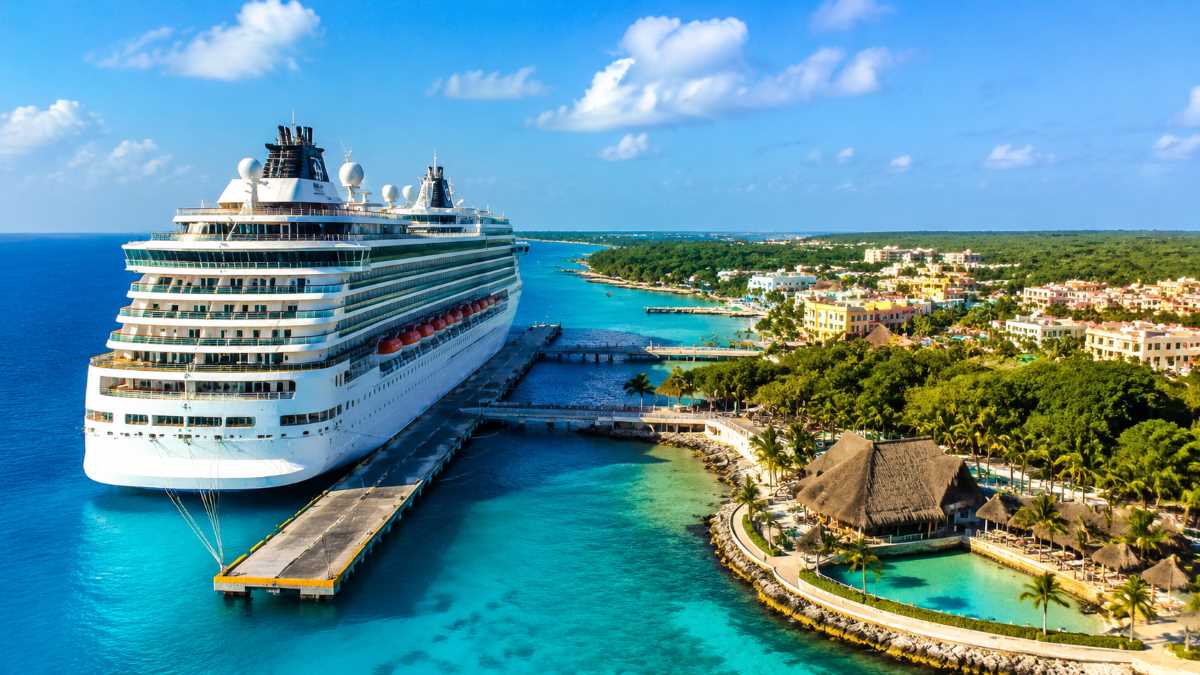
Image generated with Ai
Mexico will charge visitors of its international cruises an increased $10 fee beginning August 1, 2026. The fee is an extension of the Non-Resident Duty (DNR) system established in 2021 and currently charges visitors $5. The system is designed to allow gradual adoption of the fee by both cruise companies and passengers by increasing the fee by increments of $5 in subsequent years until it reaches the anticipated level of $21 in 2028. Cruise companies will have to further adapt to the changes, as the system will change Mexico’s cruise operations permanently.
Since 2021, the cruise systems in Mexico have undergone changes to increase visitor fees to off-set the costs of tourism and visitor infrastructure. The additional visitor fee will not require cruise passengers to disembark at cruise ports to make a fee payment. Rather, the new cost will become part of the booking fees, likely under travel fees or port fees with other taxes. Collecting fees in this manner makes it a cruise company responsibility, rather than a passenger responsibility, to make payment when disembarking at Mexican coastal ports.
Advertisement
Advertisement
Mexico Introduces Gradual Cruise Fee Increase Through 2030
The new US$10 charge represents the second stage of Mexico’s revised cruise passenger fee structure. The government introduced the phased model after concerns emerged over an earlier proposal that would have applied a much higher charge immediately. Under the current schedule, foreign cruise passengers arriving at Mexican ports will experience several planned increases:
| Period | Cruise passenger fee |
|---|---|
| July 2025 – July 2026 | US$5 |
| August 2026 – June 2027 | US$10 |
| July 2027 – July 2028 | US$15 |
| August 2028 – September 2030 | US$21 |
The staged approach replaced earlier plans for a significantly higher immediate fee, allowing cruise companies and tourism businesses additional time to adapt to the change.
Advertisement
Advertisement
Cruise Destinations Across Mexico Face New Cost Structure
Mexico remains one of the most important cruise destinations in the Americas, attracting millions of passengers every year through popular ports located along the Caribbean and Pacific coasts. The increase directly affects major cruise gateways such as Cozumel in Quintana Roo, Costa Maya, Puerto Vallarta in Jalisco, Cabo San Lucas in Baja California Sur and Ensenada in Baja California.
These destinations depend heavily on cruise visitors for economic activity, supporting local businesses including restaurants, transport providers, tour operators, retailers and cultural attractions. Cozumel, in particular, remains one of the world’s busiest cruise destinations due to its location in the western Caribbean cruise network. The island serves as a key stop for vessels operating Caribbean itineraries from the United States. For travellers, the additional charge represents a modest increase compared with the overall cost of international cruises. However, cruise operators continue to monitor how additional port-related expenses influence traveller demand and itinerary planning.
Advertisement
Advertisement
Mexico Cruise Tourism Continues Growth Despite New Fee
The introduction of the higher charge comes as Mexico’s cruise tourism market continues to show strong performance. Official tourism data reported significant growth in cruise passenger arrivals during the first half of 2026, reflecting continued demand for Mexican coastal destinations. The growth indicates that Mexico remains an attractive cruise market despite changes to passenger-related costs.
Cruise tourism provides an important economic contribution beyond passenger spending. Visitors support coastal employment, local transportation networks, hospitality businesses and destination experiences. Government authorities have positioned the new fee as part of a broader tourism strategy focused on strengthening economic benefits from international visitors.
Advertisement
Advertisement
Cruise Lines Adapt to Changing Passenger Charges
Cruise companies operating Mexican itineraries are adjusting their systems to accommodate the revised fee structure. Because the charge is collected through cruise operators, passengers are expected to see changes reflected in their final booking costs rather than paying directly upon arrival. The increase also highlights a wider trend across global cruise destinations, where governments are reviewing visitor contribution models to support infrastructure, environmental management and tourism services.
Several popular cruise destinations worldwide have introduced or considered visitor charges as international travel demand increases. Mexico’s approach follows this broader international movement by linking cruise tourism growth with additional visitor contributions.
Travellers Planning Mexico Cruises Need Updated Cost Awareness
Passengers booking future Mexico cruises should consider the updated fee structure when comparing itinerary prices. While the US$10 charge represents a limited increase for individual travellers, the impact becomes more visible for families and larger groups. A family of four travelling on a Mexico cruise would pay an additional US$40 under the current 2026 fee level compared with the previous US$5 charge.
The next planned increase to US$15 in 2027 would raise the equivalent cost for four passengers to US$60, while the US$21 level scheduled from 2028 would increase the total to US$84. Travel advisers and cruise planners will need to factor these additional charges into pricing discussions, particularly for budget-conscious travellers comparing Caribbean and Mexican cruise routes.
Advertisement
Advertisement
Mexico Maintains Focus on Long-Term Cruise Market Growth
Mexico raises its fees and continues investment to attract cruise lines. It recognizes that it owns one of, if not the, best passenger port offers in the world. Its protected coastal areas and cultural resources attract passengers.
Mexico’s phased increase of the DNR shows a continued balance of revenue and cruise competitiveness. It is a ground breaking new method for destinations to cope with the challenges of increasing cruise passenger numbers. How travel advisors and passengers respond to the gradual increment of the fee over the next five years will help determine what cruise operators think of the new increase as a cost that continues to contribute to growing passenger numbers, or helps make international cruises more cost effective.
Advertisement
