
Birmingham Rail Disruption Highlights Need for Stronger Infrastructure as More Travellers Turn to Train Travel

Published
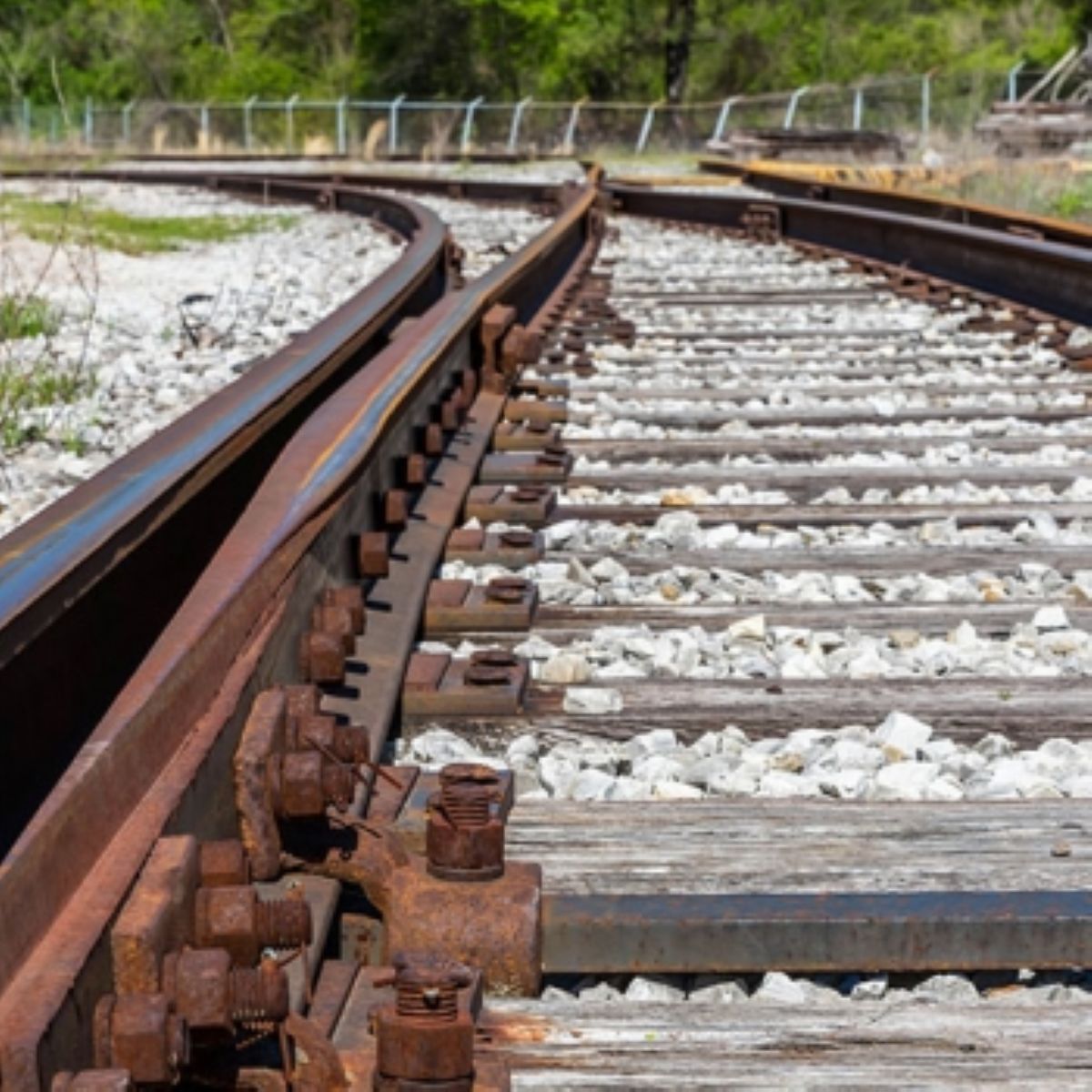
Image Credit: Birmingham Rail Disruption
Birmingham Rail Disruption Highlights Need for Stronger Infrastructure as More Travellers Turn to Train Travel as a points failure exposes the importance of reliable railway systems in supporting growing passenger demand across the UK. The reason Birmingham Rail Disruption highlights the need for stronger infrastructure is that even a technical fault affecting a small part of the network can create wider delays, route changes and travel uncertainty. As more travellers turn to train travel for commuting, business journeys and tourism, maintaining dependable tracks, signalling systems and operational technology becomes increasingly important. Birmingham’s role as a major rail hub means infrastructure resilience directly affects thousands of passengers using connections across the Midlands and beyond. Stronger maintenance, modern signalling and rapid engineering responses remain essential for creating smoother and more reliable journeys.
Advertisement
Advertisement
Birmingham Rail Disruption Reveals How Points Failure Can Impact Passenger Journeys Across the Midlands
Concise answer:
A points failure disrupted Birmingham rail services, showing how signalling faults can affect routes, connections and passenger journeys across a major UK rail hub.
A railway disruption in Birmingham highlighted how a technical fault affecting track equipment can quickly influence passenger journeys across one of Britain’s busiest transport networks.
Advertisement
Advertisement
The incident involved a points failure, a problem linked to railway equipment that allows trains to move safely between different tracks. When railway points cannot confirm their correct position, signalling systems automatically restrict train movements to protect passengers and railway staff.
Birmingham’s importance as a national rail interchange means infrastructure issues can affect commuters, business travellers, students and visitors using routes around stations including Birmingham New Street, Birmingham Moor Street and Birmingham Snow Hill.
Advertisement
Advertisement
The disruption demonstrates why railway reliability depends on complex signalling systems, continuous maintenance and rapid engineering responses.
What caused the Birmingham railway disruption?
A points failure occurs when the equipment controlling a railway junction does not work correctly.
Advertisement
Advertisement
Railway points are movable sections of track that allow trains to transfer between routes. Before a train is allowed to pass, signalling systems must confirm that the points are correctly positioned and locked.
If this confirmation is unavailable, the railway enters a safety-controlled state.
| Technical issue | Operational impact |
|---|---|
| Points movement failure | Trains cannot use affected route |
| Detection fault | Signal cannot clear safely |
| Electrical problem | Equipment may lose control communication |
| Mechanical issue | Points may not move correctly |
Modern railway systems are designed around a fail-safe principle. This means that when equipment cannot confirm it is working correctly, the system prevents trains from proceeding rather than allowing uncertainty.
Why are railway points critical for Birmingham services?
Birmingham is one of the most important railway hubs in England, connecting local, regional and national routes.
Advertisement
Advertisement
Birmingham New Street is a major interchange for services operated by companies including West Midlands Railway and CrossCountry.
The network supports:
| Passenger type | Journey purpose |
|---|---|
| Commuters | Daily travel across the Midlands |
| Students | University and education journeys |
| Business travellers | Regional and national meetings |
| Tourists | Access to Birmingham attractions |
Because multiple services pass through Birmingham, a problem at one junction can create wider timetable effects.
A single infrastructure fault can affect:
- train paths;
- platform availability;
- connecting services;
- crew schedules.
This creates what railway operators call knock-on delays.
How do railway engineers repair a points failure?
When points fail, engineers investigate several possible causes before restoring normal operations.
Advertisement
Advertisement
Modern railway points include equipment such as points detection boxes, which help confirm whether track components are correctly positioned.
Rail infrastructure also uses advanced signalling technologies, including:
| Technology | Purpose |
|---|---|
| Interlocking systems | Prevent unsafe train movements |
| Points detection equipment | Confirm track position |
| Remote condition monitoring | Identify developing faults |
| Digital signalling systems | Improve control and reliability |
Interlocking systems ensure that signals and track movements work together safely.
For example, if points cannot prove they are correctly set, the signalling system will prevent a train from receiving permission to travel through that section.
This approach protects passengers while engineers investigate the fault.
How did the disruption affect passengers travelling through Birmingham?
Passengers affected by the disruption could experience several changes depending on their route.
Advertisement
Advertisement
| Disruption | Passenger effect |
|---|---|
| Delayed services | Longer waiting times |
| Cancelled trains | Need for alternative journeys |
| Platform changes | Different departure arrangements |
| Route alterations | Longer travel times |
For commuters, even short delays can affect work schedules.
For visitors travelling to Birmingham for events, shopping or tourism, disruption can affect planned activities and onward connections.
Passengers should check live updates from their train operator and National Rail before travelling, especially when travelling through major interchange stations.
What should passengers do if their train journey is disrupted?
Passengers affected by railway disruption should take practical steps to reduce inconvenience.
| Action | Why it helps |
|---|---|
| Check operator updates | Receive latest travel information |
| Keep tickets and receipts | Support compensation claims |
| Allow extra travel time | Reduce missed connections |
| Follow station announcements | Understand alternative arrangements |
Passengers may be eligible for compensation through Delay Repay schemes, depending on the train operator, delay length and ticket conditions.
Different operators have different policies, so travellers should check the relevant train company’s official compensation process.
Advertisement
Advertisement
During disruption, some operators may also introduce temporary ticket acceptance arrangements on alternative services where operational agreements allow.
How does railway investment reduce future disruption?
Railway reliability depends on maintaining thousands of components across the network.
Infrastructure managers such as Network Rail invest in:
| Investment area | Purpose |
|---|---|
| Track renewal | Maintain safe railway infrastructure |
| Signalling upgrades | Improve reliability |
| Remote monitoring | Detect faults earlier |
| Preventive maintenance | Reduce unexpected failures |
Technology allows railway teams to identify potential problems before they become major disruptions.
Remote condition monitoring systems can provide information about equipment performance, helping engineers plan maintenance more effectively.
For major hubs such as Birmingham, reliable infrastructure is essential because the railway supports commuters, businesses and regional tourism.
Advertisement
Advertisement
How does Birmingham rail reliability affect tourism and business travel?
Birmingham’s railway network plays an important role in the city’s visitor economy.
Rail connections support access to:
| Destination type | Passenger purpose |
|---|---|
| City attractions | Leisure tourism |
| Conference venues | Business events |
| Shopping districts | Visitor spending |
| Universities | Student travel |
Reliable rail services help visitors plan journeys confidently.
For international and domestic tourists, Birmingham’s position within the UK rail network makes it an important gateway for exploring the Midlands.
What does the Birmingham points failure mean for future rail travel?
The Birmingham disruption highlights how modern railway operations depend on advanced technology, skilled engineers and effective passenger communication.
A points failure may involve a relatively small piece of equipment, but its effects can spread across connected services.
Advertisement
Advertisement
The future of reliable rail travel depends on:
- stronger infrastructure monitoring;
- modern signalling systems;
- regular maintenance;
- clear passenger information.
As more travellers choose rail for sustainable journeys, maintaining dependable networks will remain essential.
For Birmingham and the wider Midlands, resilient railway infrastructure is key to supporting everyday travel, tourism and economic growth.
Conclusion (100–150 words)
Birmingham Rail Disruption Highlights Need for Stronger Infrastructure as More Travellers Turn to Train Travel because a reliable railway network is essential as passenger demand continues increasing. The reason stronger infrastructure is needed is that modern rail travel depends on complex systems, including track equipment, signalling technology and maintenance operations working together. The Birmingham disruption demonstrates how a single points failure can influence passenger journeys, connections and wider services. As more travellers turn to train travel for sustainable and convenient transport, investment in resilient infrastructure becomes increasingly important. Improving railway technology, monitoring systems and maintenance programmes can help reduce disruption and support safer journeys. For Birmingham and the wider UK network, stronger infrastructure will remain central to delivering dependable rail services for future passengers.
Comment from Anup Keshan, Founder and Editor-in-Chief of Travel And Tour World
“Railway reliability is one of the foundations of successful tourism and regional connectivity. Events such as a points failure demonstrate how every technical component plays an important role in keeping passengers moving safely. While disruptions can create inconvenience, modern signalling systems, engineering expertise and maintenance programmes help protect passengers and restore services efficiently. For destinations like Birmingham, dependable rail connections support not only commuters but also visitors, businesses and the wider travel economy. Continued investment in railway infrastructure will remain essential as more people choose rail as a sustainable way to explore the UK.”
— Anup Keshan, Founder and Editor-in-Chief, Travel And Tour World
Image Credit: Birmingham Rail Disruption
Advertisement
