
Planning Istanbul Trip? Discover Türkiye’s Historic Sites, Vibrant Streets And Cultural Experiences

Published
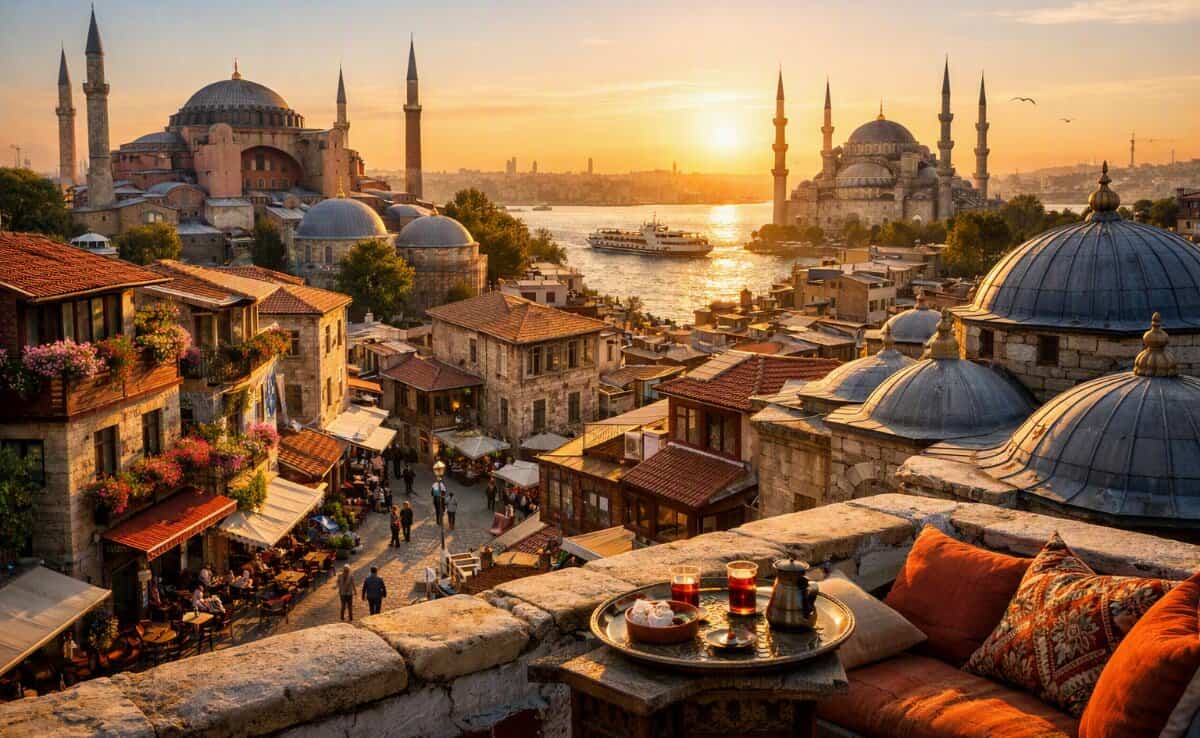
The Istanbul Türkiye travel guide experiences attract millions of tourists year after year with an incredible mix of historical background, grandeur of the Ottomans, vibrant neighborhoods, and creative spirit of today. Being located between Europe and Asia, the city of Istanbul gives travelers an opportunity to go through thousands of years of civilization by seeing the Byzantine architecture, Ottoman palaces, local markets, art galleries, historic and waterfront neighborhoods.
Türkiye’s exciting capital is not just a city you can visit once but an area for slow travel when you can enjoy visiting different parts of the city, trying old Turkish recipes, going across the Bosphorus and discovering small streets full of life and experiencing the atmosphere of one of the most multicultural cities in the world.
From the impressive domes of Hagia Sophia to the narrow streets of Balat and busy alleys of the Grand Bazaar – Istanbul offers you a perfect mix of historical past and present.
Why Istanbul Remains One Of The World’s Most Fascinating Travel Destinations
Istanbul’s global appeal comes from its ability to connect different cultures, religions and historical periods within one destination. The city was once the centre of the Byzantine Empire and later became the heart of the Ottoman Empire, leaving behind an extraordinary collection of monuments and traditions.
Advertisement
Advertisement
For modern travellers, Istanbul offers more than famous landmarks. It provides opportunities to understand Turkish culture through food, architecture, art, neighbourhoods and everyday life.
Reasons Travellers Continue Choosing Istanbul
- A bridge between continents: Istanbul is the only major city located across Europe and Asia, creating a unique geographical identity.
- Thousands of years of history: Ancient Byzantine structures, Ottoman palaces and historic neighbourhoods tell stories from different eras.
- A world-class food destination: Turkish cuisine combines Mediterranean, Middle Eastern and Central Asian influences.
- A vibrant cultural scene: Museums, galleries, music venues and creative districts continue expanding the city’s modern appeal.
- Unique local experiences: Ferry rides, traditional cafés, markets and neighbourhood walks offer authentic encounters.
Istanbul’s strength lies in its diversity. Every district reveals a different side of the city, making repeat visits rewarding for travellers.
Advertisement
Advertisement
What Are The Historic Landmarks Every Traveller Should Visit In Istanbul?
Istanbul’s historic heart is located around the Sultanahmet area, where some of the city’s most important monuments stand close together. This district allows visitors to explore centuries of history within walking distance.
The area represents the meeting point of Byzantine and Ottoman influences and remains one of Türkiye’s most visited cultural zones.
Advertisement
Advertisement
Hagia Sophia Shows Istanbul’s Extraordinary Religious And Architectural History
Hagia Sophia remains one of the most recognisable buildings in the world. Originally built in the sixth century as a Byzantine cathedral, it later became an Ottoman imperial mosque and today represents the complex history of Istanbul.
Travellers visit Hagia Sophia for its massive dome, historic mosaics, impressive interior spaces and its role in shaping world architecture.
Why Hagia Sophia Is A Must Visit Attraction
- One of the most important architectural landmarks in world history.
- Reflects Byzantine and Ottoman cultural influences.
- Located near other major historic attractions.
- Offers visitors insight into Istanbul’s changing identity.
The monument remains a powerful symbol of Istanbul’s multicultural heritage.
Topkapı Palace Reveals The Grandeur Of The Ottoman Empire
Topkapı Palace served as the main residence of Ottoman sultans for centuries. The palace complex provides visitors with a glimpse into royal life, government traditions and imperial history.
Advertisement
Advertisement
Highlights Inside Topkapı Palace
- Royal courtyards with historic gardens.
- Imperial collections and ceremonial objects.
- Views overlooking the Bosphorus.
- Former royal living spaces.
The palace remains one of Istanbul’s most important attractions for travellers interested in history and architecture.
Blue Mosque Showcases Ottoman Design Excellence
The Sultan Ahmed Mosque, commonly known as the Blue Mosque, is famous for its elegant architecture, six minarets and detailed interior decoration.
Visitors admire its harmony, symmetry and artistic craftsmanship, which represent the height of Ottoman mosque design.
How Can Travellers Experience Istanbul’s Famous Markets And Shopping Culture?
Istanbul’s markets are among the city’s most memorable experiences. They are not only places to shop but also living cultural spaces where travellers can discover traditional crafts, flavours and local customs.
The markets have served merchants and visitors for centuries and continue playing an important role in Istanbul’s tourism identity.
Grand Bazaar Offers A Journey Through Centuries Of Trade
Grand Bazaar is one of the oldest and largest covered markets in the world. Its maze of streets contains thousands of shops selling traditional Turkish products.
Advertisement
Advertisement
What Travellers Can Discover At Grand Bazaar
- Handmade carpets and textiles.
- Jewellery and traditional crafts.
- Leather goods and souvenirs.
- Turkish lamps and decorative items.
Walking through the Grand Bazaar allows visitors to experience Istanbul’s historic trading culture.
Spice Bazaar Introduces Travellers To Turkish Flavours
The Spice Bazaar attracts visitors with colourful displays of spices, sweets, teas and dried fruits.
Travellers can discover famous Turkish products such as lokum, traditional herbs and regional ingredients.
The market provides a sensory experience that connects tourism with Turkish culinary traditions.
Why This Matters For Travellers
Istanbul represents a new generation of urban travel where visitors increasingly search for meaningful experiences rather than simple sightseeing.
The city allows travellers to combine heritage exploration with food tourism, shopping, art and local interactions.
Advertisement
Advertisement
How Istanbul Reflects Changing Travel Trends
- Travellers are choosing destinations with strong cultural identities.
- Historic cities are becoming popular for immersive experiences.
- Local neighbourhood exploration is replacing traditional sightseeing-only trips.
- Culinary tourism is becoming a major reason for city visits.
Istanbul’s ability to combine authenticity and modern comfort makes it attractive to different types of travellers, including families, solo visitors, couples and cultural explorers.
What Are The Best Neighbourhoods To Explore In Istanbul?
Beyond famous monuments, Istanbul’s neighbourhoods reveal the city’s everyday personality. Each district has its own atmosphere, architecture and local traditions.
Exploring these areas helps visitors experience Istanbul beyond the main tourist routes.
Colourful Districts That Reveal Istanbul’s Local Character
Balat Brings Historic Streets And Colourful Architecture
Balat is known for its colourful houses, historic buildings and artistic atmosphere. The neighbourhood attracts photographers, café visitors and travellers searching for authentic city experiences.
Karaköy Combines Waterfront Views With Modern Creativity
Karaköy has transformed into one of Istanbul’s most popular creative districts, featuring galleries, restaurants, cafés and boutique businesses.
Kadıköy Offers A Different Side Of Istanbul On The Asian Coast
Kadıköy provides travellers with lively markets, restaurants and a local atmosphere away from the busiest tourist areas.
Advertisement
Advertisement
Beyoğlu Connects History With Modern Entertainment
Beyoğlu is famous for Istiklal Avenue, historic buildings, cultural venues and nightlife.
These neighbourhoods show why Istanbul is a city that rewards exploration beyond major landmarks.
What Travellers Should Know Before Visiting Istanbul
Istanbul is a large and busy city, so planning can help visitors make the most of their stay. The city offers extensive public transport, but distances between districts can be significant.
Before Booking Your Istanbul Trip
- Check Türkiye’s latest entry requirements before travelling.
- Plan attraction visits according to location to reduce travel time.
- Use public transport options including metro, trams and ferries.
- Allow extra time for popular attractions during peak seasons.
- Explore different neighbourhoods instead of focusing only on historic sites.
Travellers who plan carefully can enjoy both Istanbul’s famous attractions and its hidden cultural experiences.
How Does Istanbul’s Food Culture Shape The Travel Experience?
Food is one of Istanbul’s strongest attractions. The city’s cuisine reflects centuries of cultural exchange and combines Ottoman traditions with regional Turkish flavours.
Visitors can experience everything from street food to traditional restaurants.
Advertisement
Advertisement
Must Try Turkish Food Experiences In Istanbul
- Taste traditional kebabs and grilled dishes.
- Try Turkish breakfast with local cheeses, breads and olives.
- Experience baklava and Turkish desserts.
- Enjoy fresh seafood near the Bosphorus.
- Discover street foods such as simit and roasted chestnuts.
Food allows travellers to understand Istanbul’s history through flavours passed across generations.
Frequently Asked Questions
What is Istanbul famous for?
Istanbul is famous for its historic landmarks, Ottoman palaces, Grand Bazaar, Bosphorus views, Turkish cuisine and cultural diversity.
How many days are needed to explore Istanbul?
A four to five day visit allows travellers to experience major attractions, neighbourhoods, markets and food experiences.
Is Istanbul suitable for first-time visitors?
Yes. Istanbul offers strong tourism infrastructure, international connections and attractions suitable for different types of travellers.
What are the top attractions in Istanbul?
Major attractions include Hagia Sophia, Topkapı Palace, Blue Mosque, Grand Bazaar, Basilica Cistern and Bosphorus cruises.
What makes Istanbul different from other cities?
Istanbul’s location between Europe and Asia, combined with Byzantine and Ottoman heritage, creates a travel experience unlike any other major city.
Closing Update
Istanbul still holds itself up as one of the world’s most fascinating places to visit thanks to its mixture of history, culture, food and urban living. With imperial palaces, historical markets, vibrant neighborhoods and artist communities, the dynamic capital city of Türkiye provides countless things to discover for travelers looking for a place full of stories.
Advertisement
