
Sri Lanka Targets Three Million Tourists in 2026 With Focus On High Value Travel Growth: All You Need to Know

Published
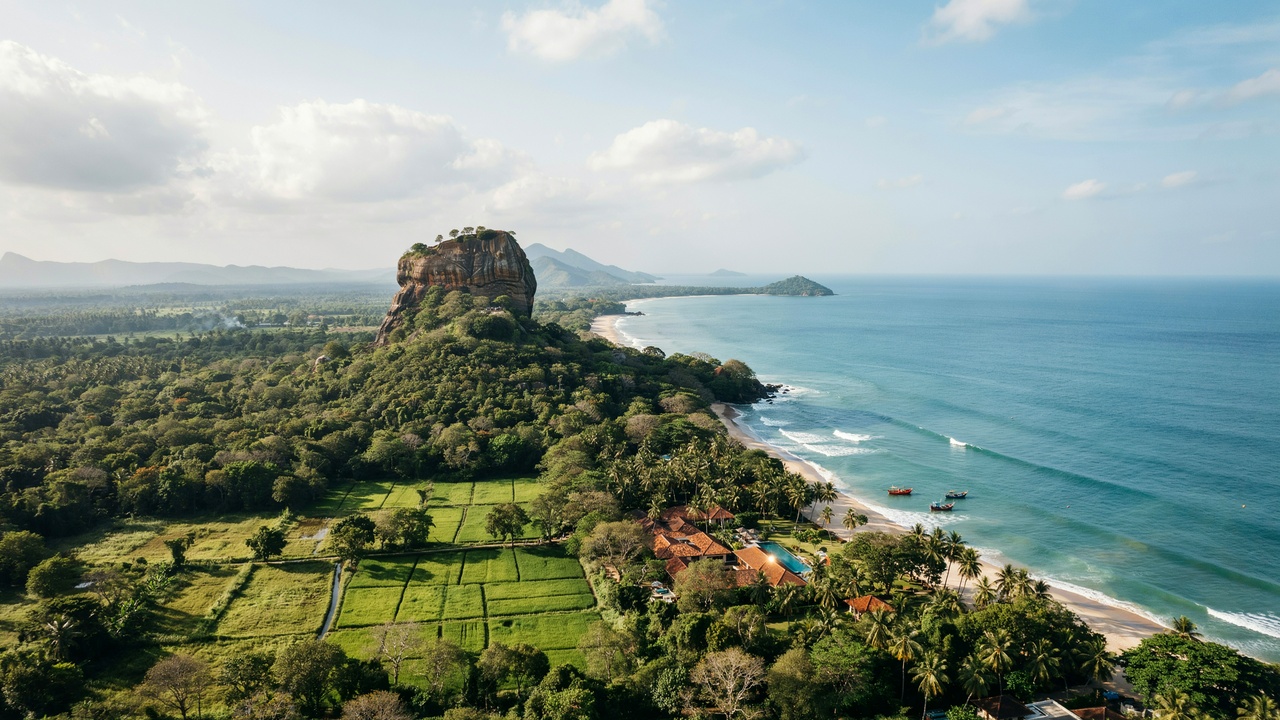
Sri Lanka is entering a new phase of tourism growth in 2026, with the island nation aiming to welcome around 3 million international visitors while increasing tourism earnings through higher-value travellers. The country is focusing not only on attracting more tourists but also on encouraging visitors to spend more through premium experiences, longer stays and specialised travel products.
The strategy reflects a broader change in global tourism, where destinations are moving beyond simple arrival numbers and placing greater importance on tourism revenue, local economic benefits and visitor experiences.
Advertisement
Advertisement
Sri Lanka’s tourism sector is increasingly targeting travellers interested in wellness, destination weddings, business events, cruise tourism, luxury holidays and cultural journeys.
The island’s diverse attractions, including ancient heritage sites, tropical beaches, wildlife parks, mountains and wellness retreats, provide opportunities to attract different categories of international travellers.
Advertisement
Advertisement
| Sri Lanka Tourism Target 2026 | Details |
|---|---|
| International visitor target | 3 million tourists |
| Tourism earnings ambition | More than US$5 billion |
| Tourism approach | Quality-focused growth |
| Key target segments | Luxury, wellness, weddings, meetings, cruise travellers |
| Main objective | Increase visitor spending |
Why Sri Lanka wants higher spending travellers instead of only more arrivals
For many years, tourism success was measured mainly through visitor numbers. However, Sri Lanka is now focusing on the economic impact created by each traveller.
Advertisement
Advertisement
A visitor who stays longer, chooses premium accommodation, experiences local cuisine, participates in activities and explores multiple regions contributes more widely to the economy.
The country’s tourism planners are aiming to increase average tourist expenditure by attracting travellers with stronger purchasing power.
| Tourism Growth Model | Traditional Approach | New Sri Lanka Strategy |
|---|---|---|
| Main focus | Visitor numbers | Visitor value |
| Travel style | Short stays | Longer experiences |
| Products | General holidays | Premium experiences |
| Target groups | Mass tourism | High-value travellers |
This approach follows a global tourism trend where destinations are developing personalised experiences rather than depending only on large visitor volumes.
Colombo becomes the gateway for Sri Lanka’s international tourism ambitions
Colombo remains the main entry point for international travellers arriving in Sri Lanka.
The capital city is developing as more than an airport gateway, with growing interest in business travel, luxury hotels, shopping, dining and cultural attractions.
Advertisement
Advertisement
| Colombo Experience | Tourism Appeal |
|---|---|
| City attractions | Museums, colonial heritage and urban experiences |
| Business tourism | Conferences and corporate events |
| Food tourism | Sri Lankan cuisine and international dining |
| Luxury stays | Premium hotels and city experiences |
As Sri Lanka targets more international visitors, Colombo’s role will become increasingly important in connecting travellers with destinations across the island.
Cultural treasures from Kandy to Sigiriya strengthen Sri Lanka’s appeal
Sri Lanka’s cultural heritage remains one of its strongest tourism advantages.
The country offers ancient cities, UNESCO World Heritage locations and centuries-old traditions that attract cultural travellers from around the world.
| Destination | Major Attraction |
|---|---|
| Kandy | Temple of the Sacred Tooth Relic and cultural heritage |
| Sigiriya | Ancient rock fortress and archaeological tourism |
| Anuradhapura | Historic kingdom and religious heritage |
| Polonnaruwa | Ancient ruins and cultural landscapes |
These destinations allow Sri Lanka to compete in the global heritage tourism market.
Travellers increasingly seek destinations where they can experience history, traditions and local lifestyles rather than only visit popular attractions.
Advertisement
Advertisement
Wildlife and nature tourism become major growth engines
Sri Lanka’s natural landscapes provide another major opportunity for tourism expansion.
The country combines beaches, forests, mountains and wildlife experiences within a compact geographical area.
| Nature Destination | Experience |
|---|---|
| Yala National Park | Wildlife safaris and leopard viewing |
| Ella | Mountain scenery, hiking and scenic rail journeys |
| Horton Plains | Nature trails and highland landscapes |
| Mirissa | Coastal tourism and marine experiences |
Nature-based tourism is becoming increasingly important as travellers search for outdoor adventures and environmentally responsible experiences.
Sri Lanka’s biodiversity gives the island a strong position among emerging nature tourism destinations.
Wellness and luxury travel create new opportunities for Sri Lanka
Sri Lanka is also expanding its presence in wellness tourism.
Advertisement
Advertisement
The country’s traditional healing practices, tropical environment and peaceful landscapes provide opportunities for retreats focused on relaxation and wellbeing.
The tourism sector is promoting experiences including:
- Ayurveda treatments
- Yoga retreats
- Beach wellness escapes
- Nature-based relaxation
- Premium resort stays
Wellness travellers often stay longer and contribute more to local economies, making the segment increasingly valuable for destinations.
Middle East and global markets become important for future growth
Sri Lanka is looking beyond traditional visitor markets and seeking stronger connections with regions such as the Middle East.
Tourism officials have highlighted the importance of attracting more travellers from the UAE and wider Middle Eastern markets through improved connectivity and expanded experiences.
Advertisement
Advertisement
| Market | Tourism Opportunity |
|---|---|
| Middle East | Luxury travel, weddings and premium holidays |
| Europe | Culture, wildlife and beach tourism |
| Asia | Short breaks and regional travel |
| India | Proximity and cultural connections |
A wider source market strategy can help Sri Lanka maintain tourism growth throughout the year.
Galle and coastal destinations strengthen Sri Lanka’s premium tourism image
Sri Lanka’s coastline continues to attract international visitors seeking beaches, surfing, marine activities and luxury stays.
Galle, Bentota, Mirissa and other coastal areas provide experiences ranging from heritage tourism to adventure travel.
| Coastal Destination | Key Attraction |
|---|---|
| Galle | Fort heritage and coastal culture |
| Bentota | Resorts and water activities |
| Mirissa | Beaches and whale watching |
| Arugam Bay | Surf tourism |
The combination of coastal experiences and cultural attractions allows Sri Lanka to offer multi-dimensional holidays.
Tourism investment supports Sri Lanka’s economic recovery
Tourism remains one of Sri Lanka’s important economic sectors, generating employment and supporting businesses across accommodation, transport, food services and local communities.
Advertisement
Advertisement
The country’s future tourism strategy focuses on creating stronger value chains where more tourism income reaches local communities.
The shift towards premium tourism also encourages investment in better hotels, improved services and specialised experiences.
Sri Lanka prepares for a competitive South Asian tourism future
Sri Lanka’s 2026 tourism ambitions come during a period of strong competition among Asian destinations.
Countries across the region are investing heavily in attracting international travellers through improved connectivity, cultural experiences and tourism innovation.
Sri Lanka’s advantage comes from its ability to offer multiple experiences within one destination.
Advertisement
Advertisement
A visitor can explore ancient heritage, enjoy wildlife safaris, relax on beaches and experience mountain landscapes during a single journey.
Frequently Asked Questions
1. Why is Sri Lanka targeting 3 million tourists in 2026?
Sri Lanka aims to increase international arrivals while strengthening tourism revenue and economic benefits from visitors.
2. Is Sri Lanka focusing only on increasing tourist numbers?
No. The country is placing greater emphasis on attracting travellers who spend more through premium experiences and longer stays.
3. Which Sri Lankan destinations are popular among international tourists?
Colombo, Kandy, Sigiriya, Galle, Yala, Ella and coastal regions are among the country’s major tourism attractions.
4. What type of travellers is Sri Lanka targeting?
Sri Lanka is promoting luxury travellers, wellness visitors, destination weddings, business events and cruise tourists.
Advertisement
Advertisement
5. Why is wildlife tourism important for Sri Lanka?
Sri Lanka’s national parks and biodiversity provide unique experiences that attract nature and adventure travellers.
6. Is Sri Lanka suitable for luxury tourism?
Yes. The country offers luxury resorts, private experiences, wellness retreats and cultural journeys for premium travellers.
7. What makes Sri Lanka different from other Asian destinations?
Sri Lanka combines beaches, wildlife, heritage, mountains and local culture within a small island destination.
Advertisement
