
Philadelphia Airport Passenger Currency Confiscation: What Travelers Need to Know About Carrying Cash
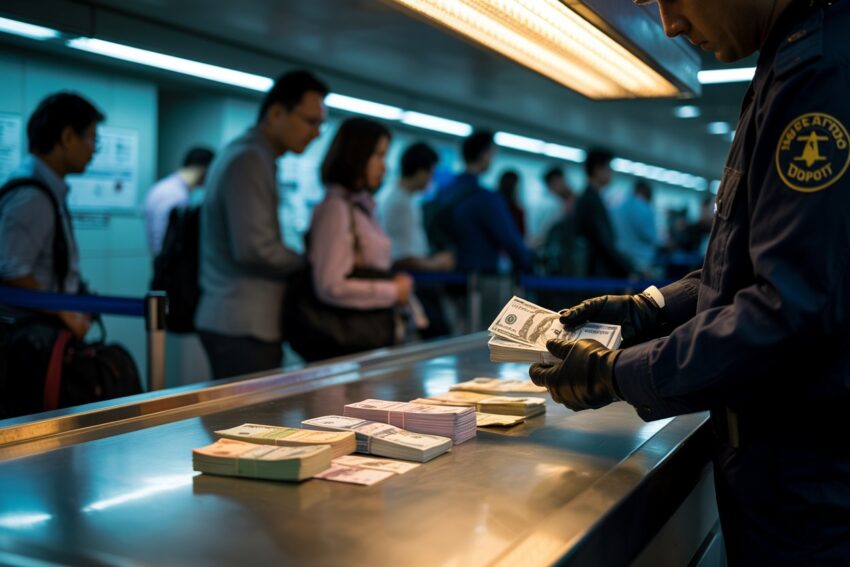 Image generated with Ai
Planning a flight? Understanding Philadelphia airport passenger currency confiscation is crucial. A recent incident at Philadelphia International Airport highlights how K-9 units and U.S. Customs and Border Protection (CBP) enforce rules when travelers carry large sums of cash. This event is a warning for international and domestic travelers. Whether flying for leisure or business, knowing the legal limits for carrying cash, required documentation, and alternatives like digital payments is essential to avoid fines, delays, and currency confiscation at airports.
What Happened at Philadelphia International Airport?
During a routine security check, a K-9 unit at Philadelphia International Airport detected a traveler carrying a large amount of undeclared cash. CBP officers questioned the passenger, requesting proof of the funds’ origin. While it is legal to carry cash, travelers must declare amounts over $10,000 USD when entering or leaving the U.S. Failure to do so can result in confiscation, fines, or legal consequences. The incident illustrates the active role of K-9 units in preventing illegal financial activities, ensuring traveler compliance, and highlighting the importance of understanding airport cash regulations.
Advertisement
Advertisement
How Much Cash Can Travelers Legally Carry?
| Airport | Enforcement Level | K-9 Units | Notes on Cash Checks |
|---|---|---|---|
| Philadelphia International (PHL) | High | Yes | Recent incident highlights strict enforcement; passengers must declare amounts over $10,000 USD |
| John F. Kennedy International (JFK) | High | Yes | Large international traffic; CBP actively monitors for undeclared cash |
| Los Angeles International (LAX) | Medium-High | Yes | Regular cash checks for travelers arriving from international flights |
| Miami International (MIA) | High | Yes | Key hub for international tourists from Latin America; stringent cash declaration enforcement |
| Chicago O’Hare International (ORD) | Medium | Yes | Frequent spot checks, especially on outbound flights carrying large cash sums |
| Dallas/Fort Worth International (DFW) | Medium | Yes | Occasional enforcement on high-risk flights; travelers advised to declare cash |
In the U.S., passengers may carry any amount of cash domestically. However, international travel requires reporting any sum exceeding $10,000 USD to customs. This includes cash, checks, money orders, and traveler’s checks. These regulations exist to prevent money laundering and illicit financial activity, while still allowing travelers to carry legitimate funds. For tourists, business travelers, and luxury visitors, knowing these rules is essential to prevent Philadelphia airport passenger currency confiscation and maintain a smooth travel experience.
What Are the Risks of Carrying Large Sums of Cash?
Carrying large amounts of money comes with both legal and practical risks. K-9 units and customs officers are trained to detect cash exceeding reporting limits. Travelers who fail to declare funds may face:
Advertisement
Advertisement
- Confiscation of cash
- Delays and questioning at security checkpoints
- Investigations into the source of funds
- Increased risk of theft or loss while traveling
Tourists are advised to use safer alternatives like credit cards, prepaid travel cards, and bank transfers to minimise risk and ensure a smoother journey.
How Can Travelers Prepare Before Flying?
Preparation is key. Here’s how travelers can avoid issues:
Advertisement
Advertisement
- Declare any cash over $10,000 USD on CBP Form 105.
- Carry documentation such as bank statements or receipts proving the money’s origin.
- Use safer payment methods like digital payments or prepaid cards.
- Arrive early at the airport to allow time for questioning or verification.
Being proactive ensures stress-free travel and prevents potential fines or confiscation.
Methods of Carrying Funds While Traveling
| Method | Safety Level | Convenience | Notes |
|---|---|---|---|
| Cash | Medium | High | Must declare over $10,000 USD internationally |
| Credit Card | High | High | Widely accepted, safer than cash |
| Prepaid Travel Card | High | Medium | Limited risk, good for budgeting |
| Traveler’s Checks | High | Medium | Can be replaced if lost |
| Bank Wire / Transfer | Very High | Low | Secure, requires prior setup |
Which Airports Are Known for Strict Cash Checks?
Airports with high scrutiny include Philadelphia, JFK, LAX, and Miami International. These airports have active K-9 units and CBP officers monitoring cash, contraband, and suspicious packages. International visitors should research regulations before flying, ensuring they comply with cash declaration rules and avoid Philadelphia airport passenger currency confiscation.
How Does This Affect Travel Planning?
For leisure travelers, business tourists, and international visitors, understanding cash regulations is crucial. Mismanagement can disrupt travel plans, create stress, and lead to legal trouble. Travelers should consider alternative payment methods and ensure documentation is ready. Proper planning allows them to enjoy destinations, attractions, and experiences without administrative hassles.
Are There Exceptions to Cash Declaration Rules?
Certain situations allow exemptions:
- Approved business transactions
- Charitable donations
- Government or diplomatic money transfers
Even in these cases, funds must be declared with supporting documents to prevent confiscation and ensure smooth airport processing.
What Can Tourists Do to Avoid Airport Delays?
Tourists flying domestically or internationally can reduce travel stress by:
Advertisement
Advertisement
- Using digital payments whenever possible
- Carrying only necessary cash
- Checking airline and airport websites for cash-related regulations
- Keeping a backup plan in case of delays
Being informed ensures that travel is enjoyable and uninterrupted.
Comparison of Cash vs. Digital Payment Usage by Travelers
| Payment Type | Popularity | Safety | Recommended For |
|---|---|---|---|
| Cash | Medium | Medium | Domestic travel, tips, small purchases |
| Credit Card | High | High | Hotels, flights, restaurants |
| Prepaid Travel Card | Medium | High | Budget control, international use |
| Mobile Payment / Apps | Growing | High | Tech-savvy travelers |
| Traveler’s Checks | Low | High | Backup funds, emergencies |
Travel Tips for International Visitors
International tourists visiting the U.S. should:
- Declare funds above $10,000 USD
- Avoid splitting cash to bypass regulations
- Have proof of legal income sources
- Check visa and travel requirements
Following these steps prevents confiscation, fines, and delays, making travel more enjoyable.
The Philadelphia airport passenger currency confiscation incident underscores the importance of understanding U.S. cash regulations. Declaring amounts over $10,000 USD, carrying documentation, and using digital payments ensures safe and smooth travel. Travelers can avoid fines, delays, and confiscation while enjoying their U.S. trips. Awareness, preparation, and compliance make the journey stress-free and memorable.
Advertisement
