

How US And Saudi Arabia Aviation Safety And Route Disruptions Expose Hidden Flight Dangers, Travellers Need To Know

Published
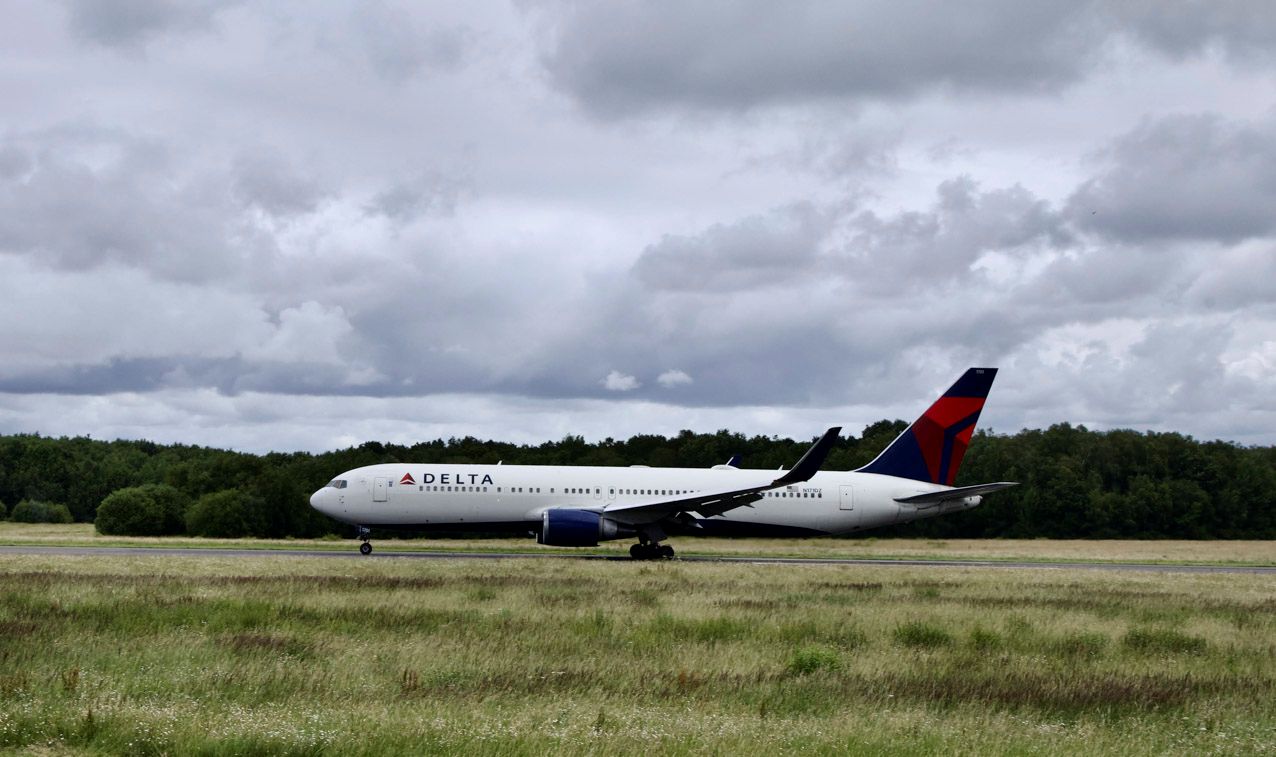
US and Saudi Arabia face major aviation safety and route disruptions today. Miami and Riyadh travellers see immediate impacts. Official aviation authorities report significant operational changes. Delta Air Lines pauses its Middle East expansion. Avianca investigates severe Caribbean turbulence. Both events highlight global flight risks. This report relies strictly on official government and aviation data.
Delta Air Lines Riyadh Route Review
Delta Air Lines executive leadership is reviewing a major route. The airline planned to connect Atlanta to Riyadh. The inaugural direct route starts on October 23, 2026. Delta plans to utilise an Airbus A350-900 aircraft. The filed schedule indicates daily flights initially. This daily frequency lasts until October 30, 2026. After this date, flights reduce to three times a week.
Advertisement
Advertisement
However, operational status is currently under active review. Delta executives state that security assessments override commercial timelines. The Delta Air Lines Riyadh route faces indefinite delays. Corporate security mandates take precedence over route expansion.
Middle East Security Directives
Recent kinetic strikes occurred near the Riyadh airport. These strikes resulted in three reported fatalities. Authorities confirmed damage to an unoccupied Saudia aircraft. Following this, Delta corporate security took immediate action. They issued internal directives to all staff. These directives warn employees against travelling to the region.
Advertisement
Advertisement
Government aviation authorities monitor the airspace closely. Passenger safety remains the primary concern for all carriers. The US government maintains strict advisories for the region. Airlines must comply with federal security guidelines.
Regional Aviation Market Impact
Regional instability demonstrably impacts aviation demand. The International Air Transport Association released official market data. Official IATA passenger traffic data reveals a sharp decline. Passenger traffic for Middle Eastern carriers dropped significantly. The data shows a 14.6% year-over-year decrease in August 2026.
Advertisement
Advertisement
This drop reflects growing hesitation among global travellers. Travelers holding itineraries face a high probability of disruptions. Schedule adjustments and re-routings are highly likely. Indefinite suspensions remain possible pending final security clearances.
Expected Delta Schedule Adjustments
- Original Start: October 23, 2026.
- Original Frequency: Daily flights for one week.
- Revised Plan: Under active corporate security review.
- Alternative Routes: Pending government aviation clearance.
Practical Implications for Middle East Travellers
Holidaymakers and business travellers planning Gulf trips must take key precautions:
- Rebooking and Refunds: Airlines operating under international safety protocols must provide full refunds or alternative routing if a route is suspended before launch.
- Travel Insurance Coverage: Standard travel insurance policies may exclude cancellations caused by military or security events unless a specific carrier disruption rider is active.
- Connecting Options: Passengers heading to Riyadh should consider hub transfers through European or non-impacted GCC airports on partner carriers where flights remain active.
Avianca Severe Turbulence Incident
In a separate event, Avianca Flight 42 faced severe issues. The flight was originally bound for New York. The aircraft encountered unexpected severe turbulence mid-flight. Pilots executed a precautionary diversion immediately. The flight landed safely at Miami International Airport.
Flight tracking data confirms the diversion path. The Avianca severe turbulence incident highlights Caribbean airspace risks. Air traffic controllers in Miami facilitated the emergency landing. First responders met the aircraft upon arrival.
Meteorological Data Analysis
Flight tracking and weather monitoring systems provided clear data. The primary flight path showed no widespread significant weather. The radar indicated generally clear skies over the Caribbean. However, an isolated thunderstorm cell was present. This cell was situated near Cabo Cruz.
Advertisement
Advertisement
Cabo Cruz sits on the southeastern tip of Cuba. The aircraft crossed near this specific meteorological disturbance. Official weather buoys confirm the isolated atmospheric instability. Pilots rely on this data for route navigation.
Avianca Flight 42 Incident Log
- Departure: El Dorado International Airport (BOG).
- Original Destination: John F. Kennedy International Airport (JFK).
- Diversion Airport: Miami International Airport (MIA).
- Cause: Unexpected severe turbulence near Cuba.
FAA Flight Investigation Begins
The US Federal Aviation Administration took swift action. The FAA flight investigation started immediately upon landing. Federal inspectors aim to determine the turbulence severity. They will examine the aircraft’s structural integrity.
Official airline logs detail the human cost. The logs confirm that nine individuals sustained injuries. Three cabin crew members required medical attention. Six passengers also sustained varying degrees of injuries. Ambulances transported all injured parties to local medical facilities.
Government Safety Protocols
The FAA mandates strict reporting for turbulence injuries. Investigators will review the cockpit voice recorder. They will also analyse the flight data recorder. The US government prioritises aviation safety above all.
Authorities will interview the flight crew in Miami. Passengers will provide witness statements to federal agents. The investigation will take several weeks to conclude. A final report will outline safety recommendations.
Advertisement
Advertisement
Montreal Convention Rules Apply
Because this incident occurred on an international flight, specific laws apply. Affected passengers are governed by the Montreal Convention. This international treaty protects passengers on international routes. The Montreal Convention rules dictate strict airline liability.
Airlines are held strictly liable for passenger injuries. This applies directly to injuries caused by turbulence. The liability limit is approximately $205,000 per passenger. Travellers do not need to prove ordinary negligence.
Traveller Compensation Guidelines
This treaty directly determines how travellers process claims. Passengers can file medical and legal claims efficiently. The framework protects consumers across international borders. Airlines must adhere strictly to these compensation guidelines.
This legal structure offers peace of mind. Injured passengers receive financial support for medical bills. Legal representatives use the Montreal Convention for swift resolutions. The aviation industry recognises this treaty universally.
Steps For Affected Passengers
- Seek immediate medical attention and document injuries.
- Retain all boarding passes and flight itinerary documents.
- File a formal incident report with Avianca officials.
- Consult legal counsel regarding Montreal Convention claims.
- Submit all medical bills for international compensation processing.
Traveller and Industry Value
This report offers crucial value for modern travellers. Understanding airspace security helps passengers plan safer routes. Knowing your rights under international law is essential. Passengers must understand the Montreal Convention before flying internationally.
Advertisement
Advertisement
The aviation industry benefits from transparent safety reporting. IATA data helps airlines adjust capacity and pricing. FAA investigations prevent future turbulence-related injuries. Transparent corporate security decisions protect airline staff globally.
Ultimately, navigating these events requires verified data. Relying on government authorities ensures accurate information. We will continue monitoring these aviation developments closely. Global aviation safety and route disruptions demand constant, rigorous vigilance.
Advertisement
