
Tanzania Aligns with Rwanda and Other African Nations as Travel Costs Rise but Holiday Deals Ease

Published
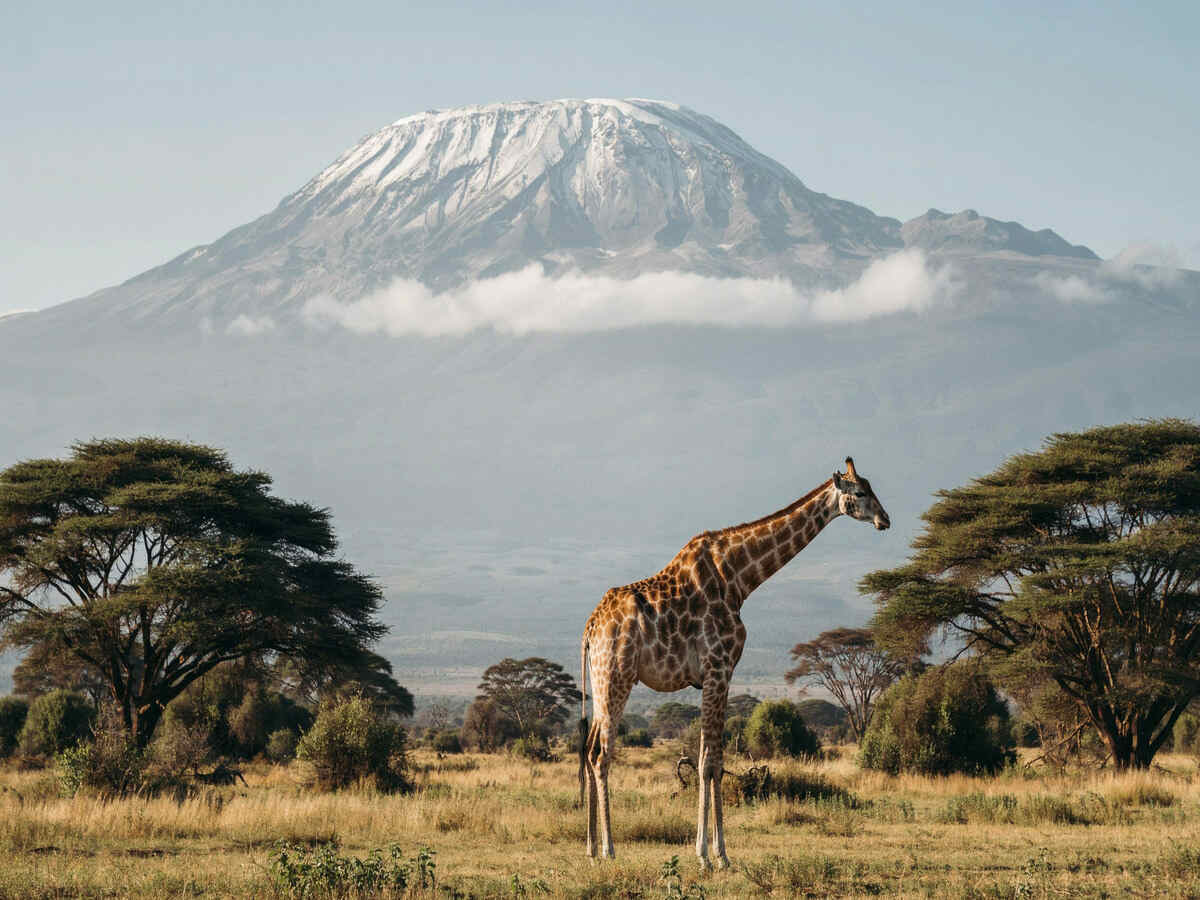
Image generated with Ai
As global tourism stabilises in the current era, East Africa remains a premier destination for international travellers seeking unparalleled wildlife experiences and rich cultural heritage. Recent official figures highlight a dynamic shift across the region. Verified reports on Rwanda and Tanzania travel costs and holiday deals 2026 reveal that while luxury safari expenditures and park conservation fees are steadily rising, regional governments and tour operators are simultaneously easing access through strategic holiday packages and integrated visa policies. This comprehensive analysis explores how these dual economic forces are reshaping the vibrant tourism landscapes of Rwanda, Tanzania, and the wider African continent.
Background: The Resurgence of African Tourism in 2026
The global travel landscape has witnessed a profound transformation over the past five years, moving from unprecedented stagnation to a period of vibrant, systemic resurgence. Within this broader macroeconomic context, the African continent has emerged as a standout performer, capturing the attention of international travellers seeking both ultra-luxury escapes and authentic, community-based cultural experiences. As of September 2026, the travel sector in East Africa has not only recovered from historical downturns but has firmly established a new, highly elevated baseline of robust and sustainable growth.
The initial recovery phase of the early 2020s was characterised by rapid, triple-digit percentage growth rates as international borders finally reopened and vital aviation connectivity was restored. However, the current era reflects a maturing, highly sophisticated market. Countries like Rwanda and Tanzania are now transitioning from aggressive volume recovery to strategic revenue stabilisation. This critical shift is paramount to understanding the current state of Rwanda and Tanzania travel costs and holiday deals 2026. While the immediate post-pandemic years were defined by heavily discounted rates designed primarily to lure visitors back, the 2026 landscape is markedly different. We are now witnessing a nuanced balancing act where national governments are steadily increasing conservation fees to protect their irreplaceable natural heritage, while simultaneously facilitating highly competitive holiday deals through regional cooperation and integrated visa systems to maintain high visitor volumes and democratic access.
Latest Official Developments in East Africa
The latest official developments emanating from East African tourism ministries paint a comprehensive picture of an industry operating at peak efficiency, driven by targeted government interventions and robust international marketing campaigns. The region has effectively diversified its fundamental offerings, deliberately moving beyond traditional wildlife safaris to encompass lucrative business tourism, high-end cultural experiences, and pristine beach holidays.
Advertisement
Advertisement
Rwanda’s Strategic Growth and MICE Sector Dominance
According to the official Rwanda Development Board (RDB) 2025 Annual Report, which was officially released to the public and stakeholders in late April 2026, Rwanda’s tourism sector has posted exceptional financial and operational results. Total tourism revenue reached an impressive 685 million US dollars in 2025. This represents a solid, sustainable 6 per cent year-on-year increase from the 647 million US dollars recorded in the previous 12-month cycle. This stellar performance was directly supported by a remarkable 1.49 million international visitor arrivals, reflecting a 9 per cent increase from the previous year and highlighting Rwanda’s enduring global appeal.
A significant and highly intentional driver of this growth has been Rwanda’s Meetings, Incentives, Conferences, and Exhibitions (MICE) sector. In 2025, the MICE segment alone generated 94.7 million US dollars, up from 84.8 million US dollars in 2024, representing an 11 per cent increase. By successfully hosting 165 major international and regional events, the capital city of Kigali has unequivocally cemented its reputation as a leading, highly secure destination for global gatherings on the African continent. This strategic pivot towards business tourism has allowed Rwanda to maintain high, consistent revenue streams throughout the calendar year, effectively mitigating the traditional seasonal fluctuations that historically plagued wildlife-centric tourism. The strategic focus on MICE infrastructure, including the state-of-the-art Kigali Convention Centre, has allowed Rwanda to bid for and win highly lucrative international conferences. These business delegates not only fill hotel rooms but frequently extend their stays to participate in pre- or post-conference leisure activities, thereby multiplying the economic benefits across the wider hospitality ecosystem.
Advertisement
Advertisement
Tanzania’s Record Breaking International Arrivals
Concurrently, the United Republic of Tanzania has reported unprecedented, historic success in its fundamental tourism metrics. Data officially verified and released by the Ministry of Natural Resources and Tourism (MNRT) confirms that Tanzania’s tourism earnings surged to a staggering record of 3.95 billion US dollars in 2025. This extraordinary financial revenue was generated by an influx of 2.29 million international arrivals, marking a 7.1 per cent year-on-year growth trajectory and surpassing the nation’s pre-pandemic arrival benchmarks by over 50 per cent.
Zanzibar, the semi-autonomous Indian Ocean archipelago, has been a particularly strong performer within the wider Tanzanian portfolio. Officially named Africa’s Leading Beach Destination in 2025, Zanzibar alone welcomed an astonishing 917,167 international visitors, an impressive 24.5 per cent jump from the 736,755 arrivals recorded in the previous year. This highly successful dual offering of mainland Serengeti safaris and pristine Zanzibar beach escapes has successfully positioned Tanzania as a comprehensive, multifaceted holiday destination, entirely capable of capturing a diverse demographic of international travellers, ranging from luxury seekers to adventure enthusiasts. The sheer volume of arrivals has necessitated significant, ongoing upgrades to Tanzania’s aviation infrastructure. For instance, the official distribution of air arrivals clearly illustrates the critical importance of robust gateway airports, with Zanzibar International Airport successfully handling 42.7 per cent of all aerial arrivals, followed closely by Julius Nyerere International Airport in Dar es Salaam at 34.3 per cent, and Kilimanjaro International Airport at 23.0 per cent. By strategically improving the capacity and operational efficiency of these critical entry points, the Tanzanian government has ensured that the initial visitor experience is seamless, laying the vital groundwork for the positive word-of-mouth marketing that drives sustained industry growth.
Advertisement
Advertisement
Government Announcements and Strategic Tourism Initiatives
The sustained, multi-year growth in East African tourism is absolutely not accidental; it is the direct, measurable result of deliberate, long-term policy making and strategic government announcements that have fundamentally reshaped the operational landscape for domestic tour operators and foreign investors alike.
Rwanda Development Board Partnerships and Infrastructure
To maintain its impressive forward momentum, the Rwandan government has aggressively pursued premium international visibility through high-profile, globally televised sports partnerships. Under the highly successful and widely recognised “Visit Rwanda” initiative, the RDB officially announced the renewal of its strategic partnership with the French football club Paris Saint-Germain, extending the lucrative collaboration until 2028. Furthermore, they secured a brand new, highly publicised three-year partnership with Spanish football giant Atlético de Madrid, which also runs through 2028. These official collaborations are mathematically designed to increase Rwanda’s global exposure exponentially, continuously attracting high-value visitors and potential long-term investors to the country.
Beyond elite sports marketing, the RDB has rapidly advanced vital domestic reforms to structurally improve the business environment and enhance service delivery. Building on the expansion of the One Stop Centre, the government’s intense focus has been on the digitisation of public services into a unified, highly efficient digital platform. This initiative successfully integrates over 400 services across more than 20 separate governmental institutions, drastically reducing bureaucratic friction for foreign investors and hospitality operators. This regulatory efficiency is a critical, often overlooked component in managing Rwanda and Tanzania travel costs and holiday deals 2026, as lowered operational bottlenecks and reduced administrative delays can directly translate to more competitive, appealing pricing for the end consumer.
Ministry of Natural Resources and Tourism in Tanzania
In neighbouring Tanzania, the MNRT continues to rigorously execute its comprehensive Strategic Plan 2021/22–2025/26, which aligns perfectly with the nation’s broader Vision 2025 and the United Nations Sustainable Development Goals (SDGs 2030). The government has officially announced highly ambitious targets to reach a monumental 5 million regional and international arrivals by the end of the current strategic period. To responsibly accommodate this massive projected influx while strictly preserving ecological integrity, Tanzania is actively upgrading 15 separate Game Controlled Areas to the status of full Game Reserves, and establishing eight entirely new Wildlife Management Areas.
Advertisement
Advertisement
These massive governmental expansions and ecological upgrades require substantial, continuous funding, which directly influences the modern pricing structures for international tourists. The official announcements underscore a deliberate national transition towards a high-value, low-impact tourism model, strictly ensuring that the natural resources remain protected for future generations while simultaneously maximising the direct economic benefits for local Tanzanian communities.
Comprehensive Statistics: Evaluating the 2025/2026 Tourism Boom
To fully contextualise the current economic and operational dynamics of East African travel, it is absolutely essential to analyse the verified statistical data provided by independent international organisations and national statistical offices.
UN Tourism Data on African Arrivals
According to the official UN Tourism World Tourism Barometer released in January 2026, the African continent experienced the absolute strongest relative growth among all global regions throughout 2025. Africa officially welcomed approximately 81 million international tourist arrivals, reflecting an exceptional and highly resilient 8 per cent increase compared to 2024. This growth vastly outperformed the global average international arrival increase of just 4 per cent, highlighting a significant, undeniable shift in global travel preferences towards African destinations.
The UN Tourism data unequivocally emphasises that demand for travel remained exceptionally high despite severe global inflationary pressures on tourism services and ongoing geopolitical uncertainties. The official report projects a continued, highly positive trend well into 2026, with an expected baseline growth of 3 to 4 per cent globally, assuming general macroeconomic stability. For East Africa, these statistics validate the profound effectiveness of recent infrastructure investments and enhanced visa facilitation processes that have fundamentally made the region more accessible than ever before.
Revenue Generation and Foreign Exchange Contributions
The verified financial statistics are equally compelling and demonstrate the sheer scale of the industry. In Tanzania, the tourism sector remains the absolute, undeniable backbone of the national economy. According to official figures, tourism is the country’s primary source of foreign exchange, generating a staggering 25 per cent of total foreign exchange earnings and accounting for an impressive 22.4 per cent of total national exports.
Similarly, Rwanda recorded an astonishing 2.62 billion US dollars in officially registered investments across 799 distinct projects in 2025, a highly significant portion of which is dedicated directly to hospitality and tourism infrastructure. Foreign Direct Investment (FDI) inflows into Rwanda rose significantly to 872.9 million US dollars, demonstrating profound, measurable international confidence in the country’s long-term economic stability and its strategic, geographical positioning as a premier, high-yield tourism hub in the heart of Africa.
Advertisement
Advertisement
Analysing Travel Costs: Why African Safaris are Becoming More Expensive
While the aggregate national statistics paint a picture of unbridled macroeconomic success, individual travellers are acutely aware of the rapidly shifting financial realities on the ground. A detailed, uncompromising examination of the factors influencing current travel budgets reveals a distinct, undeniable upward trajectory in base travel expenses, driven by several interconnected, systemic factors.
Conservation Fees and National Park Upgrades
The absolute primary driver of increased travel costs in East Africa is the necessary, unavoidable escalation of national park entry and conservation fees. Governments are facing mounting, unprecedented pressures to fund highly sophisticated anti-poaching initiatives, expansive community development projects, and critical habitat restoration efforts. Consequently, the cost of accessing the world’s premier wildlife reserves has risen substantially.
For instance, officially accessing the Ngorongoro Conservation Area in Tanzania now requires a mandatory conservation fee of 70.80 US dollars per adult per day, which is then supplemented by a mandatory motor vehicle permit that costs 295 US dollars per vehicle per trip into the crater itself. Similarly, the legendary Serengeti and Nyerere National Parks levy daily entry fees of 70 US dollars per person. In Rwanda, the world-renowned, highly regulated mountain gorilla trekking permits remain strategically positioned as a premium, high-value experience, deliberately priced to strictly limit visitor numbers and protect the deeply fragile primate populations and their native forest habitats. These fixed government levies form an unyielding, non-negotiable baseline cost that all tour operators must inevitably pass on to the consumer. However, officials strongly argue that these fee structures are not arbitrary; they are strictly mathematically calculated to reflect the true, long-term ecological cost of mass tourism. By deliberately limiting the sheer volume of vehicles traversing sensitive terrains, governments effectively mitigate severe soil erosion, drastically reduce vehicular pollution, and prevent the disruption of natural animal behaviours during critical hunting and mating seasons. For the conscientious international traveller, these increased costs are increasingly viewed not as a financial penalty, but as a necessary, transparent contribution to the preservation of global biodiversity.
The Cost of Luxury Lodges and Premium Accommodations
The second major component of rising travel costs is the aggressive premiumisation of safari accommodations. The international demand for ultra-luxury, low-impact eco-lodges has skyrocketed in recent years. International travellers are increasingly seeking highly exclusive, private wilderness experiences featuring lavish amenities such as private plunge pools, bespoke gourmet dining, and highly personalised, dedicated guiding services.
In highly sought-after destinations like the Serengeti or the Volcanoes National Park in Rwanda, premium luxury lodges frequently command staggering prices ranging from 600 to well over 1,500 US dollars per person, per night. These establishments operate in extremely remote, fully off-grid locations, meaning the logistical costs of maintaining rigorous five-star standards, sourcing high-quality organic provisions, and providing reliable solar power and advanced water filtration are exceptionally high. Furthermore, global inflationary pressures on aviation fuel have incrementally raised the costs of the internal bush flights which are almost always required to reach these remote luxury outposts. Despite these rising operational expenditures, the value proposition of these premium accommodations remains exceptionally high. Modern luxury travellers demand exclusivity, world-class culinary experiences, and deeply knowledgeable local guides—all of which require substantial, continuous capital investment in staff training and facility maintenance. Consequently, while the sticker price of a luxury African safari has undeniably increased, the quality, safety, and exclusivity of the product delivered have also risen proportionately, ensuring that East Africa remains highly competitive against other global luxury travel destinations.
Navigating Rwanda and Tanzania travel costs and holiday deals 2026
Despite the overarching macroeconomic trend of rising base costs, the 2026 travel landscape is simultaneously characterised by a significant easing of holiday deals and the rapid proliferation of highly creative, value-oriented travel packages. Tour operators, commercial airlines, and regional tourism boards are acutely aware that pricing out the massive middle market could severely stifle long-term demographic growth. Consequently, strategic, highly effective initiatives have been implemented to ensure East Africa remains highly accessible.
Advertisement
Advertisement
The Impact of the East Africa Tourist Visa
One of the absolute most significant policy mechanisms facilitating affordable, seamless regional travel is the East Africa Tourist Visa. This highly successful joint initiative between Kenya, Uganda, and Rwanda offers a multiple-entry visa valid for 90 days at a highly competitive flat rate of just 100 US dollars. By completely eliminating the need to purchase separate, costly, and time-consuming visas for each individual border crossing, this progressive policy drastically reduces administrative burdens and financial barriers for tourists wishing to experience a comprehensive East African itinerary.
While Tanzania is currently not a participant in this specific three-country visa bloc, the undeniable success of the East Africa Tourist Visa has spurred immense regional mobility and cross-border tourism. Travellers can seamlessly combine a classic savannah safari in Kenya’s Masai Mara with a profound gorilla trekking expedition in Rwanda’s Volcanoes National Park under a single, highly cost-effective immigration framework. This integration heavily influences the dynamics of regional pricing, allowing operators to expertly craft multi-country packages that offer vastly superior perceived value compared to isolated, single-destination bookings.
Group Safaris, Regional Airline Offers, and Packaged Itineraries
To directly counter the rising costs of private, highly exclusive luxury safaris, there has been a massive resurgence in high-quality, expertly guided small-group safaris. In Tanzania, highly reputable, officially licensed operators are currently offering shared camping and comfortable mid-range lodge safaris starting from a highly accessible 180 to 250 US dollars per person, per day. By efficiently sharing the heavy operational costs of the 4×4 safari vehicle, fuel, and the professional driver-guide among four to six passengers, travellers can achieve highly substantial financial savings without compromising the fundamental, awe-inspiring wildlife viewing experience.
Furthermore, aggressive regional aviation carriers have drastically expanded their route networks and frequently offer highly lucrative promotional fares linking major African hubs with international destinations. Travel agencies are increasingly bundling these highly competitive airfares with ground accommodation to create comprehensive, all-inclusive holiday packages that brilliantly mitigate the financial shock of rising standalone hotel rates, proving that diligent research can still uncover exceptional value.
Policy Implications for Sustainable Tourism
The current, highly complex economic environment of East African tourism is deeply, inextricably intertwined with rigorous governmental policy regarding long-term ecological sustainability. The deliberate, officially mandated strategy to fully embrace a “high-value, low-impact” tourism model is not merely a cynical revenue-generating exercise; it is an absolute, fundamental conservation necessity.
By maintaining high, restrictive permit costs for highly sensitive activities like gorilla trekking, Rwanda strictly, mathematically controls human foot traffic in delicate, irreplaceable ecosystems, thereby drastically minimising the risk of fatal disease transmission to primates and preventing irreversible environmental degradation. Similarly, Tanzania’s official strategic plan to upgrade Game Controlled Areas into fully protected Game Reserves reflects an uncompromising policy commitment to actively expanding protected habitats. The vital revenue generated from increased conservation fees is legally, transparently mandated to be reinvested directly back into these environments, ensuring that the core tourism product remains robust and viable for decades to come.
Advertisement
Advertisement
Industry Impact: Aviation, Hospitality, and Job Creation
The profound ripple effects of the 2025/2026 tourism boom are highly visible across multiple, deeply interconnected domestic industries. The aviation logistics sector has been a primary, highly visible beneficiary. According to official RDB statistics, Rwanda’s air cargo volumes increased by a solid 2.4 per cent to 6,257 tonnes in 2025, robustly reinforcing Kigali’s rapidly growing status as a central logistics hub connecting Europe and the Middle East. Commercial passenger airlines have similarly increased daily flight frequencies to smoothly accommodate the massive influx of 1.49 million arrivals.
In the domestic hospitality sector, the massive influx of Foreign Direct Investment has led directly to an unprecedented boom in new hotel construction and extensive lodge refurbishments. This immense capital injection is a massive, highly reliable engine for domestic job creation. The 799 investment projects officially registered in Rwanda in 2025 are projected to generate over 38,000 highly skilled direct and indirect jobs. In Tanzania, the massive tourism sector currently sustains approximately 3.6 million direct and indirect jobs, officially making it one of the absolute largest employers in the entire nation. From highly trained, bilingual safari guides to local agricultural suppliers providing fresh, organic produce to luxury lodges, the industry’s impact is vast and deeply integrated into the local socioeconomic fabric.
Economic Implications: GDP Contribution and Foreign Direct Investment
At a strictly macroeconomic level, the implications of a highly thriving, internationally competitive tourism sector are profoundly significant for the long-term stability of East African nations. Tourism serves as a highly critical, highly reliable economic buffer against the traditional volatility often experienced in other primary sectors such as raw agriculture or mineral mining.
In Tanzania, the tourism sector’s massive contribution of 17.2 per cent to the national Gross Domestic Product (GDP) underscores its absolute systemic importance. The 3.95 billion US dollars generated directly in foreign exchange is vital for stabilising the national currency, reliably servicing international debt obligations, and adequately funding essential public services like healthcare and education. For Rwanda, the 872.9 million US dollars in Foreign Direct Investment inflows recorded recently represent a highly crucial source of external capital absolutely necessary for advancing the nation’s ambitious, highly technical infrastructure and digitisation goals under the Second National Strategy for Transformation (NST2). These foreign capital injections do more than simply build hotels; they facilitate the rapid transfer of advanced, global hospitality management skills, introduce cutting-edge sustainable green technologies to the local market, and significantly elevate the overall service standards of the domestic workforce. Furthermore, a robust, highly active tourism economy heavily stimulates secondary and tertiary sectors. Local agriculture rapidly expands to safely meet the high-quality food demands of international resorts, while local artisanal industries flourish as affluent tourists seek authentic, locally crafted souvenirs, creating a deeply interconnected economic web.
Tourism, Business, and Public Impact on Local Communities
The true, lasting success of the modern East African tourism model is officially measured not just by gross GDP, but by its direct, measurable impact on highly vulnerable local communities. Modern, highly regulated tourism frameworks in both Rwanda and Tanzania now strictly mandate significant, transparent community revenue-sharing programmes. A legally fixed percentage of all national park entry fees is routinely redirected to the rural communities bordering the reserves.
These vital funds are rigorously utilised to build modern schools, upgrade rural healthcare clinics to international standards, construct clean, reliable water infrastructure, and aggressively support local micro-enterprises. Consequently, local populations rapidly transition from historically viewing wildlife as a dangerous threat to their agricultural livelihoods to actively recognising it as a highly vital, fiercely protected economic asset. This profound paradigm shift drastically reduces instances of human-wildlife conflict and illegal commercial poaching, creating a highly stable, deeply symbiotic relationship between international conservation efforts, high-yield international tourism, and sustainable rural community development.
Advertisement
Advertisement
Expert and Official Statements on Tourism Recovery
The widespread optimism surrounding the structural integrity of the East African tourism sector is strongly echoed by official, high-level leadership. In his formal statement accompanying the public release of the 2025 annual report, Jean-Guy Afrika, the esteemed Chief Executive Officer of the Rwanda Development Board, emphasised the robust structural integrity of the sector.
“The 2025 performance reflects continued progress in supporting Rwanda’s economic fundamentals and delivering on our priorities across investment, exports, tourism and service delivery,” he stated officially on the record. “We remain focused on building a predictable and competitive environment that enables private sector growth and long-term development.”
On a broader global scale, UN Tourism Secretary-General Shaikha Alnuwais provided a highly authoritative perspective on the undeniable resilience of the sector, officially noting in January 2026: “Demand for travel remained high throughout 2025, despite high inflation in tourism services and uncertainty from geopolitical tensions. We expect this positive trend to continue into 2026 as the global economy is expected to remain steady and destinations still lagging behind pre pandemic levels fully recover.”
Future Outlook: The Trajectory of East African Tourism Towards 2030
As we look strategically beyond the end of 2026, the long-term trajectory for East African tourism appears exceptionally promising, albeit demanding highly careful, data-driven management. The UN Tourism organisation officially forecasts a highly steady 3 to 4 per cent global growth pattern throughout 2026, and the African continent is perfectly positioned to capture a highly significant, outsized share of this lucrative expansion.
The immediate future of the sector will likely be defined by a rapid acceleration in technological integration and strictly mandated sustainable practices. Advanced digital platforms will seamlessly streamline everything from highly secure biometric visa applications to real-time, AI-driven dynamic pricing for luxury accommodation. Furthermore, as the devastating impacts of global climate change become more pronounced, destinations that can authentically, transparently demonstrate a rigorous commitment to carbon-neutral operations and robust, scientifically backed biodiversity protection will unquestionably command a high premium in the international market. Furthermore, there is a distinct, highly official shift towards deeper, highly functional regional integration. As high-level governmental discussions around expanding the East Africa Tourist Visa to include more sovereign nations continue, the historical bureaucratic barriers to seamless pan-African travel will diminish further. By 2030, the region aims to seamlessly blend the rich historical narratives, wildly diverse culinary landscapes, and unparalleled wildlife encounters into a unified, highly competitive global tourism product. For the astute traveller, continuously monitoring these deep structural changes and capitalising on emerging holiday packages will be the absolute key to experiencing the profound majesty of Africa without ever compromising on overall value or premium comfort.
Advertisement
