

US and Other Major Countries Face Tourism Chaos as Frozen Air Routes Hike Fares

Published
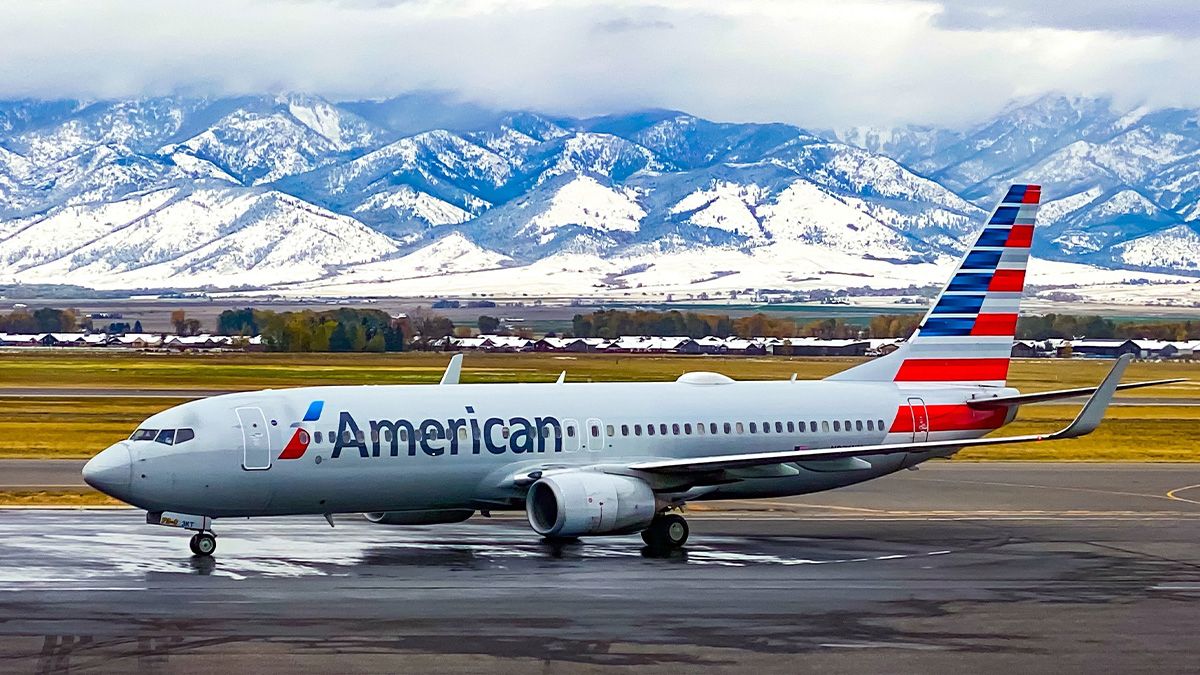
US and other key countries grapple with tourism chaos as frozen air routes drive up fares for millions of eager holidaymakers around the world. As a result, eager tourists are watching their dreams vacation escape right into thin air due to global airline network breakdown caused by severe geopolitical pressures. Moreover, major airlines are scrambling to change flight schedules to avoid forbidden northern corridors, leading to huge delays causing prices to skyrocket. Thus, soaring fares are permanently locking ordinary families out of long-haul travel markets.
Global airspace restrictions and frozen polar routes are forcing long-haul commercial flights to make huge detours, dramatically inflating ticket prices and ruining international tourism plans around the world.
Advertisement
Advertisement
Why Are Frozen Air Routes Threatening Modern Global Tourism Plans?
The abrupt closure of Russian sovereign airspace and northern polar corridors has triggered an unprecedented crisis for international holidaymakers. Airlines that once relied on efficient trans-Arctic and Siberian shortcuts now face severe regulatory bans. These geopolitical roadblocks force commercial aircraft to execute lengthy detours around restricted zones. Consequently, millions of travelers find their holiday budgets completely decimated by soaring airfares.
Carriers must burn significantly more jet fuel to navigate these extended pathways. These operational expenses flow directly down to consumers seeking long-haul leisure escapes. Furthermore, extended air journeys eat away at pre-booked vacation days and disrupt tightly scheduled international itineraries. Travelers are thus left grappling with frustrating transit delays and canceled routes.
Advertisement
Advertisement
How Much Extra Time Do Detoured Flights Add To Journeys?
The elimination of northern polar shortcuts routinely adds anywhere from two to four hours of flying time onto standard transcontinental schedules. Aircraft traveling between Western Europe and East Asia must now bypass vast swaths of restricted northern territory. This requires pilots to steer south through congested Middle Eastern corridors or take wider oceanic arcs.
These added hours deeply strain passenger endurance and increase physical exhaustion before holidaymakers even reach their destination. Moreover, tight international flight connections are frequently missed due to cascading air traffic bottlenecks. Airlines are forced to recalculate arrival windows, throwing meticulously planned hotel bookings and regional tours into complete disarray.
Advertisement
Advertisement
“It is genuinely heartbreaking to watch years of holiday planning crumble just because geopolitical tensions have locked down the skies. When you see trans-continental flight paths suddenly stretched by thousands of miles, you realize that every single detour directly translates into crushed vacation dreams for ordinary families. Airlines are passing down astronomical fuel surcharges, effectively turning international travel into an exclusive luxury reserved only for the ultra-wealthy. Until world leaders find a diplomatic path forward to reopen these critical polar corridors, everyday explorers will continue paying the heavy price of grounded skies and broken itineraries.”
— Anup Kumar Keshan, Founder and Editor-in-Chief, Travel And Tour World
Are Surging Airfares Pricing Everyday Travelers Out Of Holidays?
Skyrocketing operational costs driven by massive fuel detours have transformed long-haul flights into luxury commodities. Airlines routinely pass these massive overhead expenses onto everyday consumers through inflated ticket pricing and fuel surcharges. Budget-conscious families and solo explorers are finding their dream destinations financially out of reach.
Consequently, millions of tourists are abandoning plans for intercontinental travel altogether. They are pivoting toward closer domestic or regional alternatives instead. This structural shift in consumer behavior deals a heavy economic blow to tourism-dependent economies worldwide. Local hospitality sectors struggle as international visitor numbers steadily decline.
For official updates on international airspace regulations and safety guidelines, check the U.S. Department of State International Travel Portal.
Will Airlines Ever Restore Normal Arctic Transit Corridors?
Restoring normal Arctic transit corridors remains fundamentally tied to complex geopolitical resolutions and the reopening of Russian airspace. Until diplomatic relations normalize and mutual aviation bans dissolve, these frozen routes will remain strictly off-limits. Industry experts predict that commercial aviation must adapt permanently to southern and alternative routing architectures.
Advertisement
Advertisement
Airlines are continuously investing in advanced long-range aircraft efficiency to mitigate these persistent logistical hurdles. However, until direct polar paths reopen, the financial and temporal toll on global tourism will persist. Travelers must continue factoring extended journey times and elevated costs into their future vacation blueprints.
| Country | Core Airspace Impact | Primary Tourism Consequence |
|---|---|---|
| United States | Transpacific paths to East Asia bypass northern tracks, adding extensive flight hours. | Outbound leisure travel to Asia faces high ticket prices, causing airlines to cut marginal routes. |
| South Korea | Westbound trajectories to Europe avoid Russian zones, requiring southern loops. | European holiday package costs have surged, pushing travelers toward short-haul regional alternatives. |
| United Kingdom | Siberian shortcuts to East Asia are restricted, extending travel times significantly. | Direct Asian itineraries have become expensive, forcing tourists to use tedious transit hubs. |
| Singapore | Regional traffic bottlenecks occur as global flights shift into southern corridors. | Inbound long-term tourism from Western markets experiences slowdowns due to inflated travel costs. |
US and other major countries face tourism chaos as frozen air routes hikes fares leaving long-haul travel permanently changed. Ultimately, until sovereign airspace is opened up for flights, tourism economies in most regions will have to contend with permanently high prices and reduced frequency of regional travel.
US and other major countries face tourism chaos as frozen air routes hikes fares because closed polar corridors causes huge fuel burns on planes which then raise ticket prices due to the high operating expenses. Therefore, demand for international vacations will fall as ordinary travelers can no longer afford intercontinental travel fares.
Advertisement
