

UAE Follows Iraq And More GCC States As Yemen Red Sea Tensions Deepens, Putting Middle East Tourism Future At A Major Turning Point

Published
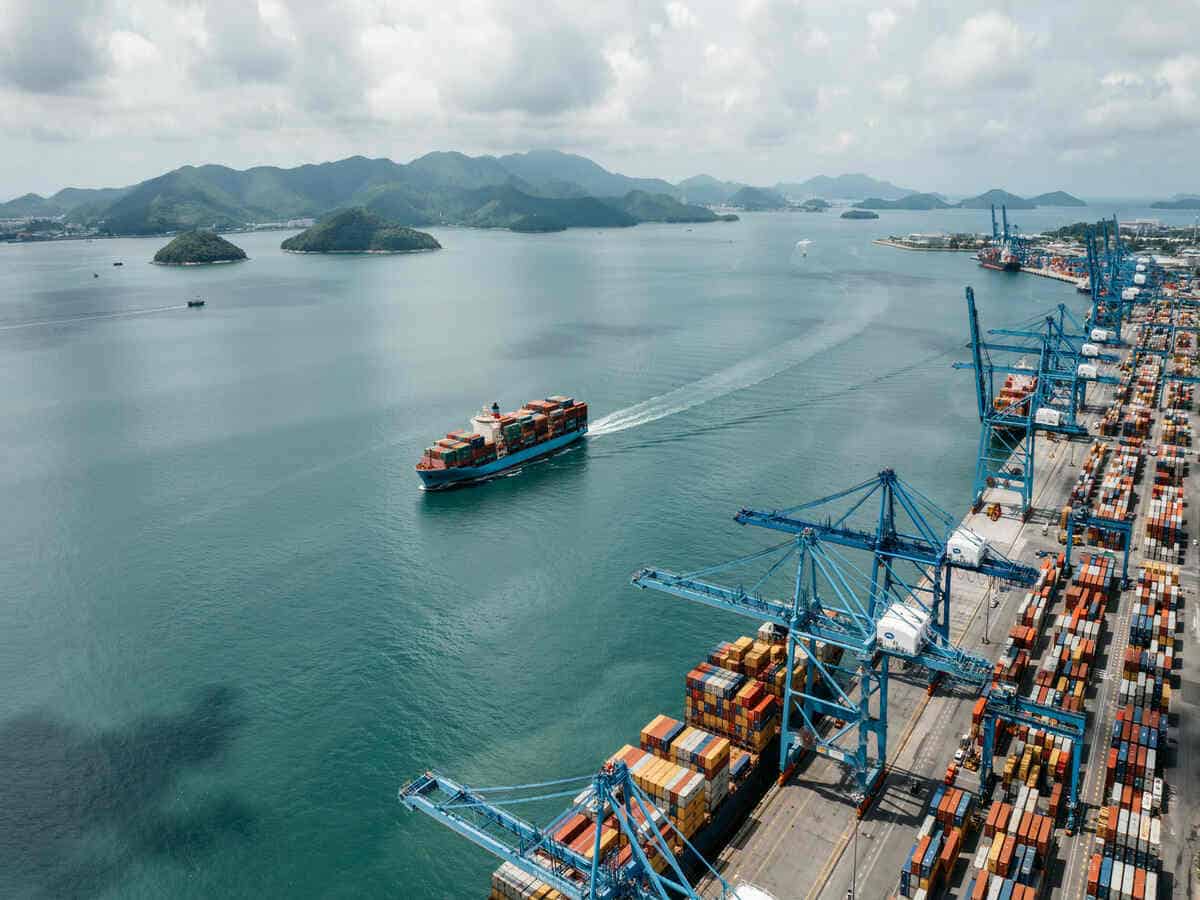
Middle East Tourism on Critical Crossroads due to Yemen Red Sea Issues and Pipeline Threats from Saudi Arabia. It is clear that the tourism industry in the Middle East finds itself in a critical period due to increasing conflicts around the coast of Yemen’s Red Sea, Bab el-Mandeb passage and energy infrastructure of Saudi Arabia. The fast growing influence of the Houthis in the area of Yemen’s Red Sea coast and a drone attack that led to shutdown of Saudi Arabia’s crucial East-West oil pipeline increase risks for security, shipping and tourism industry.
For years, Gulf countries have invested billions of dollars to transform the Middle East into one of the world’s fastest-growing tourism regions. Saudi Arabia, the United Arab Emirates, Qatar, Oman, Bahrain and other GCC nations have developed mega tourism projects, luxury destinations, cultural attractions and international aviation networks.
Advertisement
Advertisement
However, the latest regional escalation has created uncertainty. Countries that depend on safe air routes, maritime connectivity, energy stability and global visitor confidence are now facing new pressure.
The crisis is not limited to Yemen. Its effects are spreading across the Gulf, Red Sea and wider Middle East tourism landscape.
Advertisement
Advertisement
Key Countries Facing Tourism And Security Pressure From Yemen Red Sea Escalation
| Country | Main Exposure | Tourism And Economic Challenges |
|---|---|---|
| Yemen | Houthi expansion along Red Sea coast | Conflict escalation, damaged tourism image, port insecurity |
| Saudi Arabia | Pipeline attack and Red Sea security risks | Visitor confidence, energy security, infrastructure protection |
| UAE | Gulf and maritime connectivity risks | International travel confidence, shipping disruption concerns |
| Oman | Arabian Sea and regional stability concerns | Cruise routes, maritime tourism and investment pressure |
| Egypt | Red Sea and Suez Canal dependence | Shipping disruption, Red Sea tourism sensitivity |
| Qatar | Gulf security concerns | Aviation, luxury tourism and investment confidence |
| Bahrain | Gulf security exposure | Business and leisure tourism uncertainty |
| Kuwait | Regional instability risks | Energy confidence and visitor sentiment |
| Iraq | Investigation after Saudi pipeline attack | Diplomatic pressure and regional relations |
| Iran | Regional influence and geopolitical pressure | Increased tensions affecting neighbouring tourism markets |
Yemen Becomes The Centre Of The Red Sea Security Crisis
Yemen is facing the biggest direct impact from the latest escalation. Houthi forces have expanded their presence along the Red Sea coastline, capturing strategically important areas linked to one of the world’s most important maritime routes.
The Bab el-Mandeb Strait connects the Red Sea with the Gulf of Aden and the Indian Ocean. It is a vital passage for international trade, energy shipments and commercial vessels travelling between Asia and Europe through the Suez Canal.
Advertisement
Advertisement
The reported Houthi takeover of strategic locations, including areas near Mocha and Mayun Island, has increased concerns over maritime security.
For Yemen’s tourism sector, the impact is severe.
Advertisement
Advertisement
The country has historical cities, ancient heritage sites and unique coastal attractions. However, prolonged instability has damaged international tourism confidence.
Major challenges include:
- Reduced international visitor arrivals
- Higher travel security concerns
- Disruption of coastal tourism activities
- Pressure on ports and transport networks
- Greater humanitarian challenges
Yemen’s Red Sea coastline could have significant tourism potential in the future, but continued instability creates major barriers for recovery.
Saudi Arabia Faces Energy Security Pressure As Tourism Ambitions Continue
Saudi Arabia is one of the most affected countries because the crisis directly connects with both security and economic infrastructure.
Advertisement
Advertisement
The Kingdom’s East-West oil pipeline is a crucial energy route designed to transport crude oil from eastern oil fields to the Red Sea port of Yanbu. This allows Saudi Arabia to reduce dependence on the Strait of Hormuz for exports.
Following a drone attack, Saudi Arabia temporarily suspended operations on the pipeline while assessing damage and security conditions.
The development creates challenges for Saudi Arabia’s wider tourism transformation plans.
The country has invested heavily in projects such as:
- Red Sea luxury resorts
- Heritage tourism destinations
- Entertainment cities
- International visitor programmes
Potential tourism risks include:
| Challenge | Possible Impact |
|---|---|
| Regional security concerns | Travellers may delay bookings |
| Higher energy costs | Increased aviation and transport expenses |
| Negative international perception | Slower tourism confidence growth |
| Maritime risks | Pressure on Red Sea tourism projects |
Saudi Arabia’s ability to maintain stability will be closely watched because the Kingdom has become one of the largest tourism growth markets in the Middle East.
Advertisement
Advertisement
UAE Faces Red Sea And Gulf Connectivity Challenges
The UAE has emerged as one of the world’s leading tourism and aviation hubs, with Dubai and Abu Dhabi attracting millions of international visitors every year.
However, regional instability creates concerns because the UAE depends heavily on:
- Global aviation connectivity
- Maritime trade routes
- International investor confidence
- Safe regional travel conditions
The UAE’s ports and logistics networks connect Asia, Europe and Africa. Any disruption around the Red Sea could affect shipping costs, supply chains and business sentiment.
For tourism, the biggest challenge is maintaining traveller confidence.
Dubai, Abu Dhabi and other destinations have built reputations as safe global tourism centres. A prolonged regional crisis could create questions among international visitors planning holidays, business trips and luxury travel experiences.
Egypt Faces Pressure From Red Sea And Suez Canal Disruption Risks
Egypt is another country closely linked to Red Sea security.
Advertisement
Advertisement
The country benefits from the Suez Canal, one of the world’s most important shipping corridors. The route depends on stable maritime movement between the Red Sea and Mediterranean Sea.
Any prolonged disruption near Bab el-Mandeb could affect:
- Shipping traffic
- Canal revenue
- Maritime confidence
- Red Sea tourism operations
Egypt’s Red Sea resorts remain major international holiday destinations. However, tourism depends heavily on global perceptions of safety.
A wider regional crisis could influence travel decisions for visitors planning trips to destinations such as Hurghada, Sharm El-Sheikh and other coastal areas.
Oman Becomes A Strategic Player Amid Growing Maritime Concerns
Oman’s geographical position gives it growing importance during the crisis.
Located between the Arabian Sea and the Gulf region, Oman has promoted itself as a peaceful tourism destination with natural landscapes, cultural heritage and adventure experiences.
Advertisement
Advertisement
However, regional instability creates challenges for:
- Cruise tourism
- Maritime connectivity
- Foreign investment
- Regional transport links
Oman’s ports and coastal destinations could become increasingly important if shipping companies seek alternative routes, but security concerns remain a major factor.
Qatar, Bahrain And Kuwait Monitor Growing Gulf Risks
Other GCC countries are also watching developments closely.
Qatar
Qatar has developed into a major international tourism, aviation and events destination.
Possible challenges include:
- Regional travel confidence
- Aviation route concerns
- Investor sentiment
Bahrain
Bahrain’s tourism economy depends on regional visitors, business travel and Gulf connectivity.
Advertisement
Advertisement
Security uncertainty could affect:
- Weekend tourism
- Events
- International business movement
Kuwait
Kuwait’s economy remains strongly connected to energy markets.
Potential impacts include:
- Oil market uncertainty
- Higher operational costs
- Regional investment concerns
Iraq Faces Diplomatic Pressure After Saudi Pipeline Attack
Iraq has become directly involved after Saudi Arabia said drones involved in the East-West pipeline attack originated from Iraqi territory.
Baghdad ordered an investigation into the incident.
The situation creates diplomatic pressure because Iraq must balance:
Advertisement
Advertisement
- Relations with Gulf neighbours
- Internal security challenges
- Regional political tensions
Although Iraq is not a major tourism hub compared with Gulf countries, instability could affect regional cooperation and economic relationships.
Iran’s Regional Role Adds Further Complexity
Iran is also connected to the wider crisis because of its relationship with regional armed groups, including the Houthis.
The escalation increases geopolitical pressure between Iran and Gulf countries.
For Middle East tourism, prolonged tensions could affect:
- International perceptions of regional safety
- Aviation confidence
- Investment decisions
- Cross-border tourism growth
Middle East Tourism Stands At A Critical Turning Point
The Middle East has experienced a remarkable tourism transformation in recent years. Gulf countries have attracted international visitors through luxury resorts, cultural attractions, mega events and improved connectivity.
However, the Yemen Red Sea crisis highlights how regional security remains a key factor shaping tourism growth.
Advertisement
Advertisement
The future depends on whether countries can protect:
- Maritime routes
- Energy infrastructure
- International travel confidence
- Regional cooperation
The latest escalation does not only represent a security challenge. It represents a test for the Middle East’s ambition to become a leading global tourism destination.
As Yemen’s Red Sea tensions increase and Gulf countries respond to growing risks, the region’s tourism future has entered a decisive phase where stability, security and confidence will determine the next chapter of growth.
Advertisement
