
Tokyo and Sydney Tighten Short Term Rental Rules as Minpaku Curbs and Lockbox Removal Reshape Tourism

Published
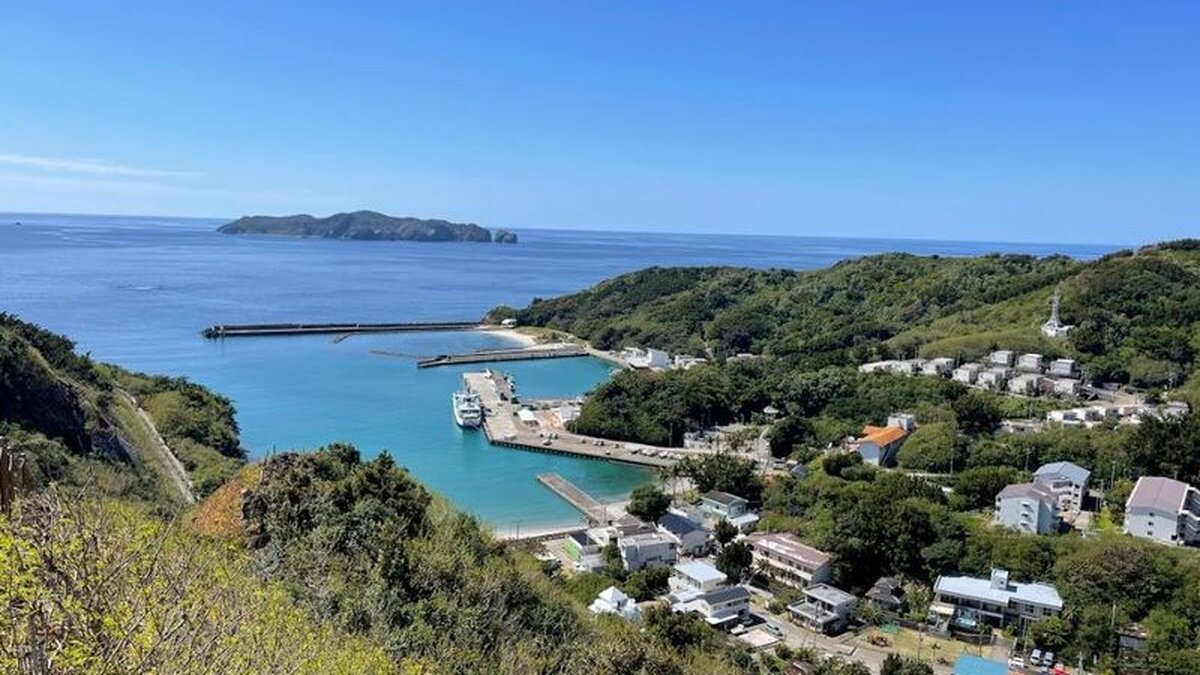
Tokyo and Sydney are tightening short-term rental rules as minpaku curbs and lockbox removal reshape tourism, reflecting growing pressure on two major Asia-Pacific cities to balance visitor accommodation with everyday residential life. In Tokyo, wards including Shinjuku and Taito are moving towards stronger restrictions on private short-term accommodation following complaints involving late-night noise, rubbish disposal and other neighbourhood disruption. In Sydney, the city government has adopted a policy against short-term rental lockboxes attached to council-owned street infrastructure and will begin broader removal from April 2027. Together, the measures show how cities are increasingly regulating the neighbourhood impacts associated with rapidly expanding visitor accommodation.
Tokyo’s Minpaku Boom Faces Stronger Local Controls
Japan’s minpaku system allows homes and apartments to provide short-term accommodation under a national regulatory framework.
Advertisement
Advertisement
Under the Private Lodging Business Act, operators generally need to notify the relevant authority before providing accommodation.
The national system sets an annual ceiling of 180 operating days, but municipalities can introduce additional restrictions reflecting local conditions.
Advertisement
Advertisement
That flexibility has become increasingly important in Tokyo.
As international tourism has grown, residents in some neighbourhoods have complained about noise, rubbish disposal and other problems linked to short-term accommodation.
Advertisement
Advertisement
Tokyo Governor Yuriko Koike acknowledged in September 2026 that some areas were receiving numerous complaints from residents concerning rubbish and late-night noise.
Different Tokyo wards are now responding according to their individual circumstances.
Shinjuku Plans Major Minpaku Restrictions
Shinjuku is particularly important because it has the largest number of registered minpaku properties among Japanese municipalities.
As of 15 July 2026, Shinjuku had 3,775 registered minpaku properties.
By the end of August, the ward’s figure had increased to 3,928.
The ward is now preparing considerably stronger rules.
Advertisement
Advertisement
Under the proposal, minpaku operations would generally be prohibited in designated residential areas and around educational facilities.
The proposed restrictions are notable because they could eventually affect both new and existing businesses, although transitional arrangements are expected.
More than half of Shinjuku’s minpaku properties are believed to be situated in areas that could be affected.
The proposal is being driven partly by complaints from residents concerning issues such as:
- Improper rubbish disposal
- Late-night noise
- Smoking around properties
- Illegal street parking
- Visitors obstructing streets or passages
- Problems associated with neighbourhood management
Shinjuku intends to seek public feedback before moving forward with its revised regulations.
Taito Also Tightens Rules Around Asakusa and Ueno
Taito Ward, home to major tourism areas including Asakusa and Ueno, is moving in a similar direction.
Advertisement
Advertisement
From 1 October 2026, revised rules will completely restrict weekday operations for newly notified properties covered by the revised ordinance.
Taito has also moved towards stronger restrictions on new minpaku in residential areas and locations where conventional hotels and inns face planning restrictions.
The changes demonstrate that Tokyo does not have one single citywide minpaku policy.
Instead, individual wards can introduce additional restrictions based on local circumstances.
| Tokyo Measure | Key Detail |
|---|---|
| National minpaku ceiling | 180 days annually |
| Shinjuku registered properties, 15 July 2026 | 3,775 |
| Shinjuku registered properties, end-August | 3,928 |
| Shinjuku approach | Stronger proposed controls in residential and educational areas |
| Taito change | Stronger weekday restrictions from October 2026 |
| Main concerns | Noise, rubbish and neighbourhood disruption |
Tokyo Opens a Dedicated Minpaku Complaint Service
Tokyo Metropolitan Government has also strengthened its response.
On 1 July 2026, Tokyo opened a dedicated minpaku call centre covering the entire metropolis.
Advertisement
Advertisement
Residents and visitors can use the service to report or seek advice about short-term accommodation.
The service accepts complaints involving disruptive guest behaviour, including noise.
It also handles concerns about hygiene and safety as well as reports involving accommodation suspected of operating illegally.
The establishment of a dedicated service demonstrates how minpaku management has become an increasingly important urban issue.
Sydney Takes a Different Approach
Sydney’s latest action is narrower but highly visible.
The City of Sydney is targeting lockboxes and key safes attached to council-owned or managed public infrastructure.
Advertisement
Advertisement
Short-term rental hosts frequently use these boxes so guests can retrieve property keys without meeting the owner or property manager.
However, some have been attached to:
- Street signs
- Poles
- Fences
- Railings
- Bicycle racks
- Trees and tree guards
- Heritage items
The council argues that private lockboxes should not occupy public assets.
In March 2026, it formally raised concerns about the growing number of devices associated with Short-Term Rental Accommodation.
Why Sydney Wants the Lockboxes Removed
The City of Sydney has identified several problems.
Lockboxes can create visual clutter and potentially interfere with pedestrian movement when guests stop to access them.
Advertisement
Advertisement
They can complicate maintenance of public infrastructure.
The council has also raised security concerns because publicly accessible boxes may be vulnerable to theft or unauthorised code sharing.
Sydney is particularly sensitive to pressure on shared spaces because 97% of dwellings within the municipality are medium- or high-density housing.
Public streets, footpaths and infrastructure therefore serve large numbers of residents.
Council officials argue that public assets should remain safe, accessible and available for community use rather than becoming private key-storage facilities.
Lockbox Removal Starts in April 2027
Sydney City Council formally endorsed its position statement on lockboxes on 24 August 2026.
Advertisement
Advertisement
The city will now conduct a notification and education period designed to encourage voluntary compliance.
Broader removal is scheduled to begin on 1 April 2027.
However, some devices can be removed earlier when they:
- Create a safety risk
- Cause an obstruction
- Affect heavily used infrastructure
- Interfere with sensitive public assets
After the education period, the city plans a proportionate compliance programme that includes removing remaining unauthorised lockboxes.
The measure should therefore not be described as Sydney banning Airbnb or all short-term rentals.
The policy specifically concerns lockboxes placed on city assets.
Advertisement
Advertisement
Sydney Looks to Alternative Key Handover Systems
Removing public lockboxes does not prevent short-term rental operators from arranging self-check-in.
Sydney’s council has pointed towards alternative systems already used internationally.
These can include secure private lockers and staffed key-exchange locations.
Hosts could also use privately owned locations rather than attaching equipment to street infrastructure.
The central principle is straightforward: access arrangements for private accommodation should not depend on unauthorised use of public assets.
Tokyo and Sydney Show Two Different Regulatory Responses
Although the Tokyo and Sydney measures are different, they reflect a similar urban challenge.
Advertisement
Advertisement
| Issue | Tokyo | Sydney |
|---|---|---|
| Main target | Minpaku operations | Lockboxes on council assets |
| Main concern | Residential disruption | Public-space use and safety |
| Key problems cited | Noise and rubbish | Obstruction, clutter and security |
| Regulatory level | Individual wards plus metropolitan/national framework | City council |
| Effect on rentals | Can restrict where or when properties operate | Does not prohibit the rental itself |
| Wider objective | Protect residential environments | Protect public infrastructure |
Tokyo is addressing what happens inside and around short-term rental properties.
Sydney is addressing how some operators use the public realm to facilitate guest access.
Both approaches nevertheless demonstrate that cities are paying closer attention to the indirect effects of visitor accommodation.
Short-Term Rentals Enter a New Regulatory Phase
Short-term rentals have become deeply embedded in modern tourism.
They can increase accommodation capacity, provide travellers with alternatives to hotels and generate income for property owners.
However, large concentrations of holiday rentals can also create tensions.
Advertisement
Advertisement
Visitors and permanent residents use neighbourhoods differently.
Travellers may arrive late, leave early, generate unfamiliar waste patterns or have little knowledge of local rules.
Cities therefore face the challenge of maintaining tourism capacity without allowing visitor accommodation to undermine residential amenity.
The latest measures in Tokyo and Sydney demonstrate how that balance is becoming a central part of destination management.
What Travellers Need to Know
Visitors should not assume that short-term accommodation is disappearing from either city.
Tokyo continues to have legal minpaku accommodation, although rules differ between wards and may become considerably stricter in some neighbourhoods.
Advertisement
Advertisement
Sydney also continues to permit short-term rental accommodation within the wider New South Wales regulatory system.
The changes primarily affect operators and hosts.
Nevertheless, travellers could eventually notice fewer minpaku choices in some Tokyo residential neighbourhoods and different check-in arrangements at Sydney holiday rentals.
Conclusion: Tokyo and Sydney Tighten Short Term Rental Rules as Minpaku Curbs and Lockbox Removal Reshape Tourism
Tokyo and Sydney are tightening short-term rental rules as minpaku curbs and lockbox removal reshape tourism because both cities are attempting to protect residential communities and public infrastructure while continuing to accommodate large visitor economies.
In Tokyo, the strongest changes are occurring at ward level. Shinjuku is preparing tougher restrictions covering residential and educational areas, while Taito is strengthening controls as complaints involving noise, rubbish and neighbourhood disruption increase. Tokyo has also introduced a metropolitan minpaku complaint service.
Sydney is taking a different route. Rather than banning short-term accommodation, the City of Sydney is removing lockboxes attached to council-owned public infrastructure, with broad enforcement scheduled from 1 April 2027 after a public education period.
The two approaches show how short-term rental regulation is becoming more precise. Cities are no longer considering tourism accommodation only in terms of visitor numbers and available beds. They are increasingly examining how those properties affect streets, apartment communities, public assets and the everyday lives of residents.
Advertisement
