
Finland Opens New Asia Cargo Gateway as Helsinki Airport Welcomes Dedicated Freighter Service

Published
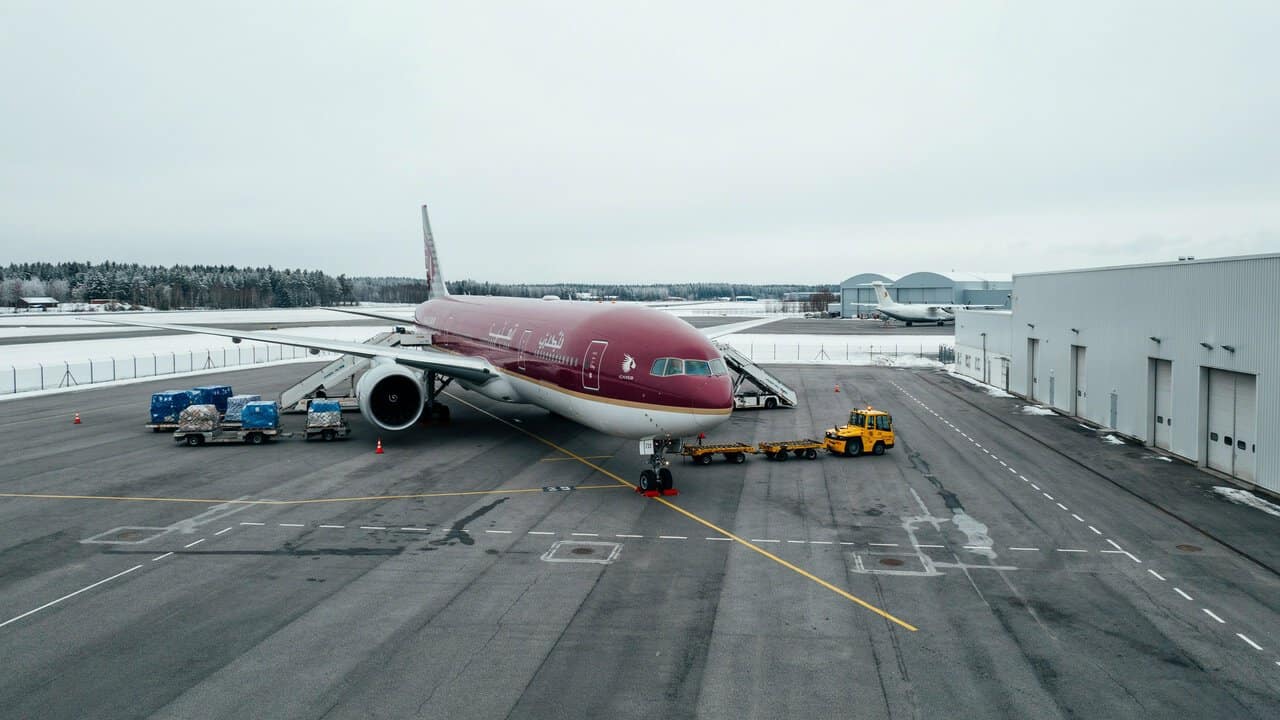
Finland is boosting cargo links with Asia as Helsinki opens a freighter route that connects Northern Europe to worldwide trade routes. Finland’s fresh route makes Helsinki Airport a stronger hub for cargo. It lets goods move faster between Europe and Asia. With the route Qatar Airways Cargo adds more air freight capacity giving businesses easier access for high‑value shipments. Finland’s growing role, in logistics shines through this new connection, especially for industries that need dependable transport. As global supply chains change this new link can grow trade chances boost strength and keep Helsinki at the centre of international cargo air travel.
Finland Steps Up Asia Cargo Connectivity as Helsinki Welcomes First Dedicated Freighter Route
Helsinki Emerges as a Stronger Europe Asia Cargo Gateway
Finland is entering a new phase of aviation development as Helsinki strengthens its position as a major cargo gateway between Europe and Asia. The introduction of a dedicated freighter connection represents an important step in expanding Finland’s international logistics capabilities and improving links between Northern Europe and major Asian markets.
The new cargo route from Helsinki is part of Qatar Airways Cargo’s wider network development strategy, designed to increase freight capacity and provide businesses with improved access to global supply chains. The airline’s expansion supports the movement of goods through its Doha hub, connecting Europe with Asia, the Middle East, Africa and other international markets.
For Finland, the development comes at a time when efficient air cargo connections are becoming increasingly important. Industries such as technology, pharmaceuticals, specialised manufacturing, seafood, and high-value consumer products depend on reliable international transport networks.
Advertisement
Advertisement
Helsinki Airport has long benefited from Finland’s geographical position between Europe and Asia. The airport’s location in Northern Europe has supported its development as a transfer point for cargo and passengers travelling between the two regions.
Advertisement
Advertisement
The latest route expansion adds further momentum to this role and highlights how aviation infrastructure can support wider economic growth.
Qatar Airways Cargo Expands Finland Asia Freight Links
Qatar Airways Cargo has continued expanding its global network by adding new destinations and increasing cargo capacity across important international markets. The carrier’s Helsinki development forms part of a broader network enhancement programme aimed at improving connectivity across major trade corridors.
The airline has announced additional scheduled freighter services and increased belly-hold cargo capacity across several destinations. These developments are designed to support customer demand and strengthen global trade links through Hamad International Airport in Doha.
The Doha hub provides a strategic connection point between Europe and Asia. Through this network, cargo operators can move shipments efficiently across multiple regions, helping businesses reach international markets faster.
The Helsinki connection creates another link between Finland and Qatar Airways Cargo’s global operations. For exporters and logistics providers, additional air freight options can improve flexibility and reduce dependence on limited routes.
Advertisement
Advertisement
Air cargo has become increasingly important for products where speed, temperature control, security, and reliability are essential. Pharmaceuticals, electronic components, fresh products, and specialised industrial goods often require aviation-based logistics solutions.
By strengthening its cargo network, Qatar Airways Cargo is positioning itself as a major player in global freight connectivity while supporting businesses that require dependable international transport.
Helsinki Airport Strengthens Its Cargo Role in Northern Europe
Helsinki Airport has traditionally served as Finland’s main international aviation hub. Managed by airport operator Finavia, the airport supports both passenger and cargo operations and plays an important role in connecting Finland with international markets.
The airport’s cargo ecosystem has developed around Finland’s export-oriented economy. The country has strong industries in technology, forestry products, machinery, chemicals, and specialised manufacturing, many of which require efficient logistics connections.
Helsinki Airport also benefits from Finland’s position between Western Europe and Asia. Historically, the airport has been recognised as a convenient northern gateway because of its location and operational capabilities.
Advertisement
Advertisement
Finnair Cargo, based at Helsinki Airport, has also developed specialised cargo services connecting Europe, Asia and North America. The company highlights Helsinki as its main cargo hub and provides solutions for temperature-sensitive shipments, pharmaceuticals, seafood and other specialised products.
The arrival of additional dedicated cargo capacity adds another layer to Helsinki’s aviation ecosystem. It provides more options for freight customers and reinforces the airport’s role beyond passenger travel.
A stronger cargo network can also benefit surrounding logistics businesses, including freight forwarders, warehouse operators, customs services and transport companies.
Why Asia Connectivity Matters for Finnish Businesses
Asia remains one of the world’s most important economic regions, with major markets including China, Japan, South Korea, Southeast Asia and India. For Finnish companies, reliable connections to Asian markets are essential for international trade.
Many Finnish businesses operate within global supply chains. Technology companies depend on international movement of components and equipment. Pharmaceutical firms require secure transportation for sensitive products. Export industries rely on predictable logistics channels to reach overseas customers.
Advertisement
Advertisement
The new Helsinki cargo connection supports these requirements by improving access to international air freight networks.
Dedicated freighter services provide advantages compared with relying only on passenger aircraft cargo capacity. Freighter aircraft are designed specifically for transporting goods and can offer greater flexibility for large, specialised or time-sensitive shipments.
This is particularly important as companies increasingly focus on supply chain resilience. Recent global disruptions have highlighted the need for diversified transportation options and stronger logistics planning.
For Finnish exporters, improved air cargo connectivity can create opportunities to reach distant markets more efficiently.
For Asian companies seeking European access, Helsinki can provide an additional entry point into Northern European markets.
Advertisement
Advertisement
The Growing Importance of Dedicated Air Freight Networks
The global aviation industry has experienced major changes in cargo operations in recent years. Companies increasingly value speed, reliability and network flexibility when selecting transportation solutions.
Unlike passenger flights, dedicated freighter operations focus entirely on cargo movement. Aircraft configurations, schedules and handling systems are designed around freight requirements.
This allows airlines to transport different categories of goods, including oversized shipments, specialised equipment and temperature-controlled products.
The expansion of dedicated cargo routes reflects broader changes in international commerce. E-commerce growth, pharmaceutical distribution, advanced manufacturing and technology supply chains have increased demand for efficient air freight services.
For Europe, maintaining strong connections with Asia is strategically important. Asian markets remain central to manufacturing, innovation and international trade.
Advertisement
Advertisement
Finland’s location provides an opportunity to serve as a northern logistics bridge between continents. Improved cargo links can strengthen this advantage.
The Helsinki route development demonstrates how airports and airlines are adapting to changing global trade patterns.
Economic Impact of Stronger Cargo Connectivity
A stronger cargo network can generate benefits beyond aviation. Air freight connections influence employment, investment decisions and regional economic activity.
Airport cargo operations require a wide range of services, including handling, transportation, security, maintenance and logistics management. Growth in cargo activity can support jobs across these sectors.
Improved connectivity can also make Finland more attractive for companies considering regional operations. Businesses often evaluate transport infrastructure when selecting locations for warehouses, distribution centres and manufacturing facilities.
Advertisement
Advertisement
Efficient international logistics can reduce delivery times and improve competitiveness.
For exporters, better access to overseas markets can support business expansion. For importers, stronger freight networks can improve supply chain reliability.
The Helsinki cargo expansion therefore represents more than an aviation development. It reflects the connection between transport infrastructure and economic growth.
As global companies continue searching for efficient routes between Europe and Asia, airports with strong international links are expected to play an increasingly important role.
Finland’s Strategic Position Between Europe and Asia
Finland has frequently used its geographical location as an advantage in international connectivity. Situated in Northern Europe, the country provides access to Nordic markets while maintaining strong links with wider European economies.
Advertisement
Advertisement
Helsinki Airport’s location allows it to serve as a bridge between eastern and western markets.
The development of new cargo links strengthens this strategic position. It demonstrates how Finland is continuing to invest in connectivity at a time when global logistics networks are becoming more complex.
The aviation sector remains an important part of Finland’s international infrastructure. Passenger routes, cargo operations and logistics services together create a broader connectivity ecosystem.
As trade patterns evolve, airports that can provide reliable international connections will remain competitive.
The Helsinki cargo route adds another opportunity for Finland to strengthen its role in global commerce.
Advertisement
Advertisement
Strengthening Nordic Logistics Through International Air Networks
The development of Helsinki’s dedicated Asia cargo route also reflects a wider transformation taking place across Nordic logistics. Countries in Northern Europe increasingly depend on efficient international transport systems to support exports, imports and business operations.
For Finland, aviation connectivity is closely connected with the competitiveness of its export industries. The country’s economy includes globally recognised sectors such as technology, engineering, forestry, chemicals, clean energy solutions and advanced manufacturing. Many of these industries require dependable global supply chains.
A stronger Asia cargo connectivity network can help Finnish companies access international markets more efficiently while providing overseas businesses with improved links into Northern Europe.
The expansion of cargo services also supports Finland’s ambition to remain competitive within the European logistics landscape. While major cargo hubs are concentrated in central European markets, northern airports continue developing specialised roles based on geography, efficiency and regional demand.
Helsinki Airport’s position offers advantages for businesses operating across the Nordic and Baltic regions. Efficient cargo connections can help reduce transportation complexity and provide alternative options for companies seeking reliable European entry points.
Advertisement
Advertisement
As global trade becomes increasingly dependent on speed and flexibility, airports with strong cargo capabilities are expected to become more valuable economic assets.
Air Cargo Growth Supports High Value Industries
The importance of the new route extends beyond traditional freight movement. Modern air cargo networks increasingly support industries where delivery speed and specialised handling are essential.
The pharmaceutical sector is one of the major beneficiaries of advanced air freight systems. Medical products often require controlled temperatures, strict security procedures and rapid delivery timelines.
Finland’s healthcare technology and pharmaceutical-related industries can benefit from improved international freight access. Stronger cargo links provide additional options for businesses moving sensitive products between Europe and Asia.
The technology sector is another important area. Finland has developed a strong reputation in telecommunications, digital innovation and advanced engineering. These industries often depend on international supply chains involving electronic components and specialised equipment.
Advertisement
Advertisement
Dedicated freighter services can provide greater flexibility for companies transporting high-value goods.
The food export sector can also benefit from improved aviation links. Fresh products, including seafood and other temperature-sensitive goods, require efficient logistics solutions to maintain quality during international transportation.
By expanding cargo options, Helsinki can strengthen its role as a supporting infrastructure hub for industries that depend on reliable global connections.
Qatar Airways Cargo’s Role in Global Freight Connectivity
Qatar Airways Cargo has become one of the world’s major air freight operators, connecting markets through its Doha hub and international network.
The carrier operates a large freighter fleet alongside cargo capacity available on passenger aircraft. Its network supports transportation across multiple regions, including Europe, Asia, Africa and the Americas.
Advertisement
Advertisement
The Helsinki service strengthens the airline’s European presence and adds another destination to its global cargo structure.
Through Doha, shipments from Finland can access wider international markets. This hub-based model allows cargo operators to consolidate shipments and provide connections between multiple regions.
The growth of cargo networks reflects increasing demand from businesses that require dependable international transportation.
Airlines are continuously adapting their operations to changing trade patterns. New routes, additional frequencies and improved cargo infrastructure are becoming important tools for maintaining competitiveness.
For Qatar Airways Cargo, Helsinki represents an opportunity to strengthen links with Northern Europe. For Finland, it provides another connection to a global aviation network.
Advertisement
Advertisement
Helsinki Airport’s Position in Future Aviation Development
The future of aviation is expected to involve greater integration between passenger travel, cargo operations and digital logistics systems.
Airports are no longer viewed only as transport locations. They are becoming complex economic centres that connect businesses, communities and international markets.
Helsinki Airport’s continued cargo development supports this broader aviation transformation.
The airport’s infrastructure, geographic location and existing international connections provide a foundation for future growth.
As companies increasingly prioritise supply chain security, airports with diverse cargo options may gain strategic importance.
Advertisement
Advertisement
The introduction of a dedicated freighter route also demonstrates how airports can respond to changing market conditions. Instead of relying only on traditional passenger aviation, cargo-focused services provide additional economic opportunities.
Future growth will depend on factors such as trade demand, airline network decisions, infrastructure investment and global economic conditions.
However, stronger cargo connectivity provides Finland with an important advantage as international logistics continues evolving.
Europe Asia Cargo Competition Becomes More Important
The global competition for cargo traffic has intensified as countries invest in logistics infrastructure and aviation connectivity.
European airports compete to attract freight operators, distribution centres and international businesses. Major hubs in Germany, the Netherlands, France and Belgium continue handling significant cargo volumes.
Advertisement
Advertisement
Northern European airports, however, offer different advantages, including geographic positioning, efficient operations and access to regional markets.
The development of Helsinki’s dedicated Asia connection highlights how smaller aviation markets can strengthen their role through specialised services.
Cargo connectivity is increasingly becoming a factor in economic competitiveness. Companies consider transport availability when choosing locations for investment and expansion.
Improved Europe Asia links can help businesses reduce supply chain risks and improve international access.
For Finland, strengthening its aviation network supports its broader economic strategy of maintaining international competitiveness.
Advertisement
Advertisement
Environmental Considerations in Modern Cargo Aviation
The aviation industry is also facing increasing pressure to reduce environmental impacts. Airlines, airports and governments are exploring solutions to make air transport more sustainable.
Modern cargo operations are increasingly focused on fuel efficiency, operational improvements and sustainable aviation fuel development.
Aircraft technology improvements can help reduce emissions while maintaining international connectivity.
Finland has also placed sustainability at the centre of many transport and economic policies. The country has promoted cleaner technologies and innovation across different sectors.
Future aviation growth will likely depend on balancing connectivity needs with environmental responsibilities.
Advertisement
Advertisement
For cargo operators, sustainability is becoming an important consideration when developing new routes and expanding networks.
The Helsinki cargo development will operate within this changing aviation environment, where efficiency and environmental performance are becoming increasingly connected.
Future Outlook for Finland Asia Cargo Connectivity
The launch of Helsinki’s dedicated freighter route represents an important development in Finland’s international aviation network.
It strengthens the country’s connection with global markets and creates additional opportunities for businesses involved in international trade.
The future success of the route will depend on demand from exporters, importers, logistics providers and wider economic conditions.
Advertisement
Advertisement
However, the development demonstrates the continuing importance of aviation infrastructure in supporting global commerce.
As Europe and Asia maintain strong economic relationships, reliable cargo connections will remain essential.
For Finland, expanding its Asia cargo connectivity strengthens Helsinki’s role as a strategic logistics gateway.
The route also highlights how airports outside Europe’s largest cargo markets can develop specialised advantages through geography, partnerships and efficient operations.
The continued growth of Helsinki Airport’s cargo capabilities could support Finland’s international trade ambitions and strengthen its position within Northern Europe’s transport network.
Advertisement
Advertisement
Conclusion
Finland Asia cargo connectivity has reached a level as Helsinki welcomes its first special freighter route that connects Northern Europe with global markets. This change increases the role of Helsinki Airport in logistics helps exporters and makes it easier to reach supply chains. The expansion by Qatar Airways Cargo shows how important it is to have air freight links between Europe and Asia. As companies look for more stable ways to move goods Finlands airport facilities will keep being very important. The new route is not a cargo service; it shows Finlands goal to create better global connections using up-, to-date aviation networks.
Advertisement
