
Flights Cancelled across Middle East as UAE, Saudi Arabia, Egypt and Israel Faced 754 Delayed and 26 Grounded Services Disrupting Saudia, flyadeal, FlyDubai, Air Arabia, Ethiopian Airlines and Other Carriers at Jeddah, Dammam, Riyadh, Dubai, Sharjah, Cairo and Tel Aviv, New Update

Published
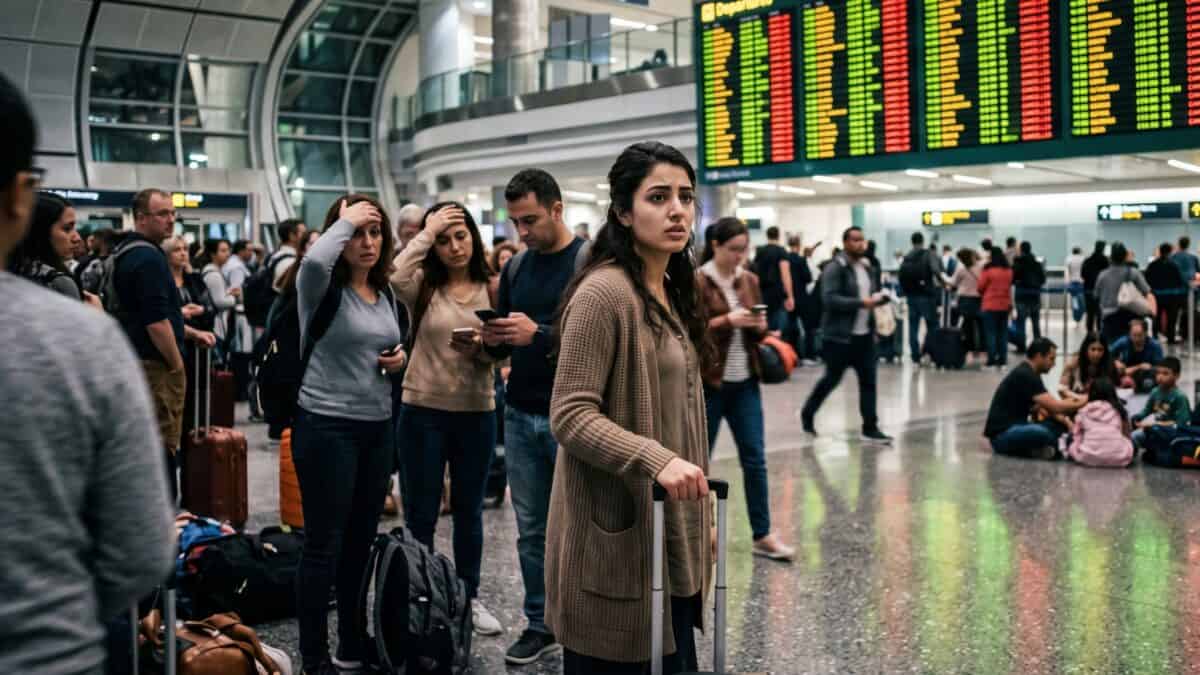
A wave of flight disruptions was experienced across the Middle East on 31st June, 2026, as a total of 754 flight delays and 26 complete cancellations sent shockwaves through the region’s aviation sector. Key hubs within the UAE, Saudi Arabia, Egypt and Israel were heavily impacted by the sudden operational setbacks. Major regional and international carriers—including Saudia, flyadeal, FlyDubai, Air Arabia and Ethiopian Airlines—saw their tightly scheduled flight networks severely compromised, leaving hundreds of passengers stranded and disrupting critical business and leisure itineraries. The extensive scale of the disruptions highlights the vulnerability of highly interconnected aviation networks across the Middle East, where a bottleneck at a single major hub can trigger a domino effect across neighboring countries. As terminal gates across Jeddah, Dammam, Riyadh, Dubai, Sharjah, Cairo and Tel Aviv became crowded and departures were continually pushed back, airlines worked behind the scenes to manage the unfolding operational issues.
Major Airports Affected
The operational constraints were distributed across several premier gateways in the UAE, Saudi Arabia, Egypt and Israel, with varying degrees of severity recorded at each location:
- Ben Gurion International Airport (Tel Aviv, Israel): The highest volume of scheduling setbacks was experienced at this gateway, where an overwhelming 209 flight delays were logged by authorities, alongside 4 complete cancellations.
- Cairo International Airport (Cairo, Egypt): Severe departure and arrival backlogs were recorded at this major African-Middle Eastern hub, with 164 flights delayed and 2 services grounded entirely.
- Dubai International Airport (Dubai, UAE): As one of the busiest global transit hubs, the facility faced significant operational strain yesterday, with 150 flights delayed and 6 cancellations recorded.
- King Khalid International Airport (Riyadh, Saudi Arabia): Major flight disruptions were observed in the capital city, where 93 delays and 3 structural cancellations were officially logged.
- King Abdulaziz International Airport (Jeddah, Saudi Arabia): Serving as a critical commercial gateway, the airport witnessed 72 delayed flight services, while 6 cancellations were forced upon scheduling boards.
- Sharjah International Airport (Sharjah, UAE): Notable cascading delays were felt at this low-cost carrier hub, where 39 flights were delayed and 2 operations were cancelled.
- King Fahd International Airport (Dammam, Saudi Arabia): The eastern gateway was also impacted by the regional scheduling backlog, resulting in 27 flight delays and 3 complete cancellations.
Impact on Tourism
The substantial disruption to 780 total flights across the Middle East is expected to have lingering repercussions for passenger confidence and regional travel patterns. When premier hubs across the UAE, Saudi Arabia, Egypt and Israel experience widespread delays simultaneously, the predictability required for multi-destination holiday bookings is deeply compromised. Leisure travelers, particularly those utilizing tightly scheduled itineraries involving multiple flight connections, may become increasingly hesitant to book complex routes through these regions in the immediate future.
Furthermore, the financial toll inflicted upon regional tourism could be magnified if corporate travelers begin seeking alternative virtual arrangements to avoid unpredictable airport delays. For emerging tourism markets within Saudi Arabia and established luxury leisure markets in the UAE, maintaining an untarnished reputation for seamless transit is of paramount importance. While the long-term growth trajectory of aviation in the Middle East remains robust, short-term booking dips are frequently observed by industry analysts following highly publicised periods of regional flight cancellations and extended terminal delays.
Advertisement
Advertisement
What Affected Passengers Can Do
What immediate steps should be taken if a flight is delayed or cancelled?
If a flight service is disrupted, real-time updates should immediately be monitored through official airline mobile applications or airport departure screens. Digital copies of boarding passes, booking confirmations and any correspondence received from carriers such as Saudia, flyadeal, FlyDubai, Air Arabia, or Ethiopian Airlines should be safely preserved.
Are airlines required to provide food and accommodation during extended delays?
Yes, under most international aviation guidelines and local civil aviation regulations governing the UAE, Saudi Arabia, Egypt and Israel, duty of care protocols must be initiated by airlines during prolonged delays. Passengers are typically entitled to complimentary meals, refreshments and hotel accommodation—along with necessary ground transport—if an enforced overnight stay becomes necessary.
Advertisement
Advertisement
How can a refund or alternative routing be claimed for a cancelled service?
When a flight is grounded by an operator, a choice between a full ticket refund or a complimentary rebooking on the next available service must be provided to the ticket holder. These arrangements can usually be processed directly at airport transfer desks, via airline telephone hotlines, or through the digital management portals of the respective carriers.
Can compensation be claimed for out-of-pocket expenses?
If additional expenses for food, transport, or lodging are incurred due to a lack of immediate support from airline staff, all itemised receipts must be retained. A formal claim can subsequently be submitted to the operating carrier’s customer relations department for reimbursement, provided the expenses are deemed reasonable and directly linked to the flight disruption.
Advertisement
Advertisement
-The flight information is based on data sourced directly from FlightAware. Please note that airlines frequently adjust schedules and routes to prioritize operational safety. In the event of a change, passengers should remain calm and explore alternative flight options. To ensure a smooth journey, it is highly recommended to monitor real-time flight status, understand your carrier’s rebooking policies and maintain a flexible itinerary.
Advertisement
