
China’s Baoshan Leads Rural Tourism Growth In Yunnan As Heritage And Ecology Create New Visitor Experiences

Published
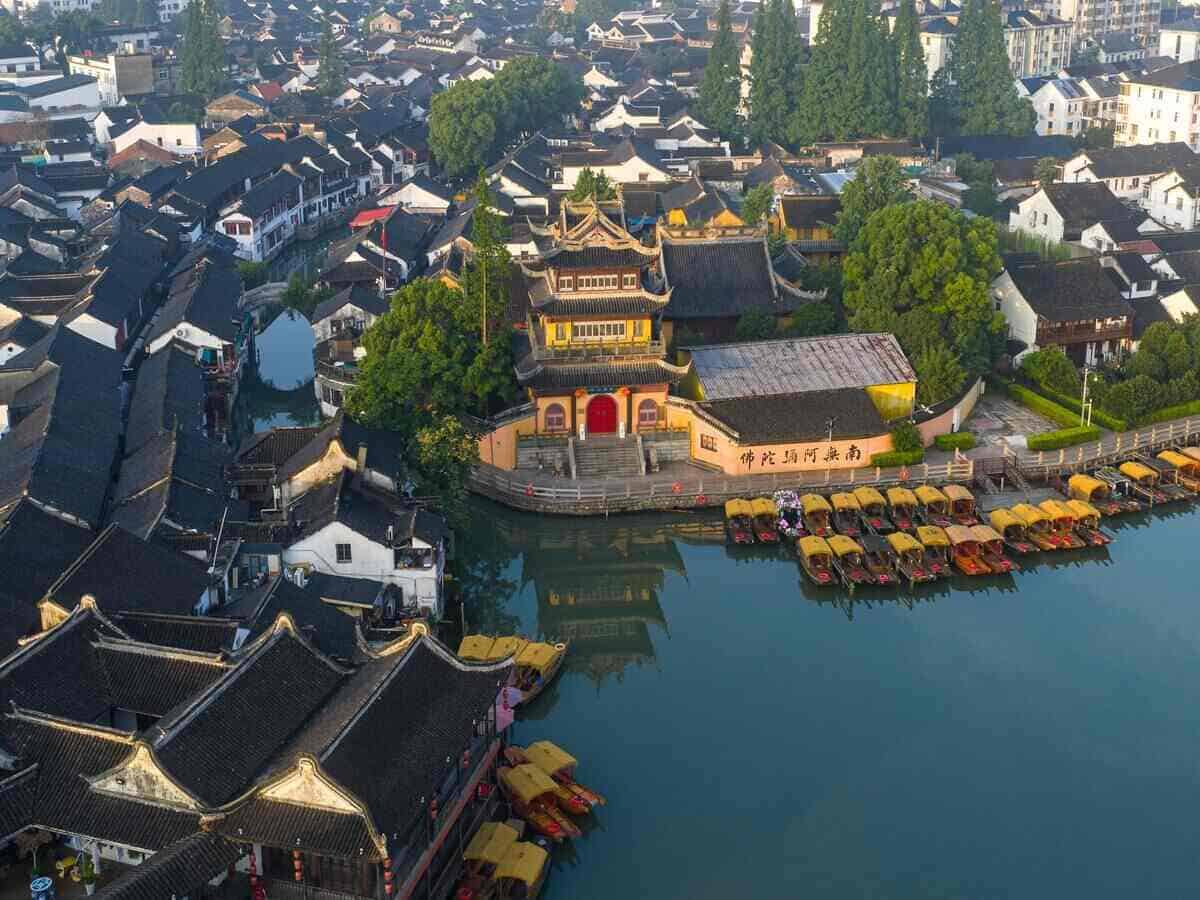
The Baoshan in China has developed new ways of tourism growth by using rural development, ecological resources, and heritage to create new experiences for visitors.
The Baoshan City in southwest China in the province of Yunnan is working on a new tourism growth model whereby rural development, ecological resources, and heritage have been combined to create new experiences for visitors. In Baoshan, tourism-related sectors such as countryside homestays, camping experiences, dendrobium cultivation, and tea-related activities have been established.
Advertisement
Advertisement
With its rich natural landscapes, cultural traditions and agricultural resources, Baoshan is using tourism as a tool to strengthen rural revitalization. The city is transforming local industries and heritage resources into visitor experiences that highlight nature, culture and community life. Through this approach, Baoshan is adding new energy to the high-quality development of its cultural and tourism sectors.
Baoshan Develops A New Rural Tourism Model Through Local Resources
Baoshan is moving beyond traditional sightseeing by creating tourism experiences that allow visitors to connect with rural environments, local lifestyles and regional industries. The city is focusing on developing tourism products that combine accommodation, outdoor activities, agriculture and cultural exploration.
Advertisement
Advertisement
Countryside homestays have become an important part of this transformation, allowing travellers to stay closer to nature and experience the atmosphere of rural communities. These accommodations are helping villages attract visitors while creating new sources of income for local residents.
Advertisement
Advertisement
Camping tourism is also expanding across the region, offering travellers opportunities to enjoy outdoor experiences surrounded by natural landscapes. The growth of these tourism formats reflects changing visitor preferences, with more travellers seeking peaceful destinations, authentic experiences and closer connections with local environments.
Through these developments, Baoshan is creating a tourism system where rural areas become active destinations rather than simply locations passed through by visitors.
Ecological Tourism Drives Sustainable Growth Across Baoshan
The natural environment of Baoshan is becoming one of the city’s strongest tourism advantages. By using wetlands, plantations and scenic landscapes, the region is creating opportunities for visitors to experience nature while supporting ecological protection.
Wetland parks have become important attractions, offering visitors opportunities to explore natural surroundings through outdoor activities and sightseeing experiences. These areas showcase the relationship between tourism development and environmental conservation.
The city’s focus on ecological tourism reflects a growing global demand for sustainable travel experiences. Travellers are increasingly interested in destinations that provide natural beauty, outdoor activities and meaningful connections with local ecosystems.
Advertisement
Advertisement
Baoshan’s approach demonstrates how natural resources can support tourism growth while maintaining environmental balance. By protecting its landscapes and developing responsible tourism activities, the city is creating a foundation for long-term tourism development.
Tea Tourism Connects Traditional Agriculture With Visitor Experiences
Tea production has become another important part of Baoshan’s tourism development. The city’s tea-growing areas are attracting visitors who want to discover agricultural traditions and experience the landscapes where local products are developed.
Tourism activities connected with tea allow visitors to explore plantation areas and learn about the relationship between farming, culture and regional identity. These experiences provide a deeper understanding of local traditions while creating additional value for rural industries.
By combining agriculture with tourism, Baoshan is helping traditional industries reach wider audiences. Tea tourism creates opportunities for visitors to spend more time in rural areas, supporting local businesses and encouraging longer stays.
This integration of farming and tourism highlights how rural industries can become important attractions while preserving local character and traditions.
Advertisement
Advertisement
Dendrobium Industry Creates A Unique Tourism Attraction
Baoshan has also developed tourism experiences around dendrobium cultivation, creating a distinctive connection between agriculture, nature and visitor activities.
Visitors can explore dendrobium-related exhibition areas and discover the unique characteristics of this plant industry. These attractions provide educational and cultural experiences while showcasing local agricultural development.
The growth of dendrobium tourism demonstrates how specialised industries can contribute to destination development. By turning local resources into tourism attractions, Baoshan is creating new reasons for visitors to explore the region.
The combination of agriculture, ecological resources and tourism is helping diversify the city’s tourism offerings and strengthen rural economic opportunities.
Cultural Heritage Adds Greater Depth To Baoshan Tourism
Alongside ecological attractions and rural industries, Baoshan’s cultural heritage remains a major element of its tourism appeal. Historic areas such as He shun Ancient Town offer visitors opportunities to explore traditional architecture, historical landscapes and cultural experiences.
Advertisement
Advertisement
Heritage destinations provide travellers with a deeper connection to the history and identity of a place. Baoshan is using these cultural resources alongside natural attractions to create a more complete tourism experience.
The combination of ancient towns, rural landscapes and ecological attractions allows visitors to discover multiple dimensions of the region. Travellers can experience history, nature and local development within a single destination.
By protecting cultural heritage while creating new tourism opportunities, Baoshan is strengthening its position as a destination where tradition and modern tourism development meet.
Baoshan Builds A Stronger Tourism Future Through Innovation And Sustainability
The development of rural tourism in Baoshan reflects a wider effort to achieve sustainable and high-quality tourism growth. The city is using its natural resources, cultural heritage and local industries to create new opportunities for communities and visitors.
Recent visitor experiences across Baoshan have included exploring wetland parks, plantation areas, tea-related tourism spaces, dendrobium exhibition areas and He shun Ancient Town. These attractions demonstrate how the city is connecting different elements of tourism into a unified destination experience.
Advertisement
Advertisement
As global travellers increasingly seek authentic, nature-based and culturally meaningful journeys, Baoshan’s tourism strategy highlights the potential of rural destinations to create lasting appeal.
China’s Baoshan is driving rural tourism growth in Yunnan by combining cultural heritage, ecological resources and local industries to create unique visitor experiences. The city’s focus on homestays, nature tourism, tea activities and rural development is strengthening tourism while supporting revitalization.
By combining ecological protection, cultural preservation and innovative tourism development, Baoshan is emerging as an important example of how rural areas can build a stronger tourism future while maintaining their unique identity.
Advertisement
