
UAE Advances Digital Travel Access as Aviation and Tourism Evolve

Published
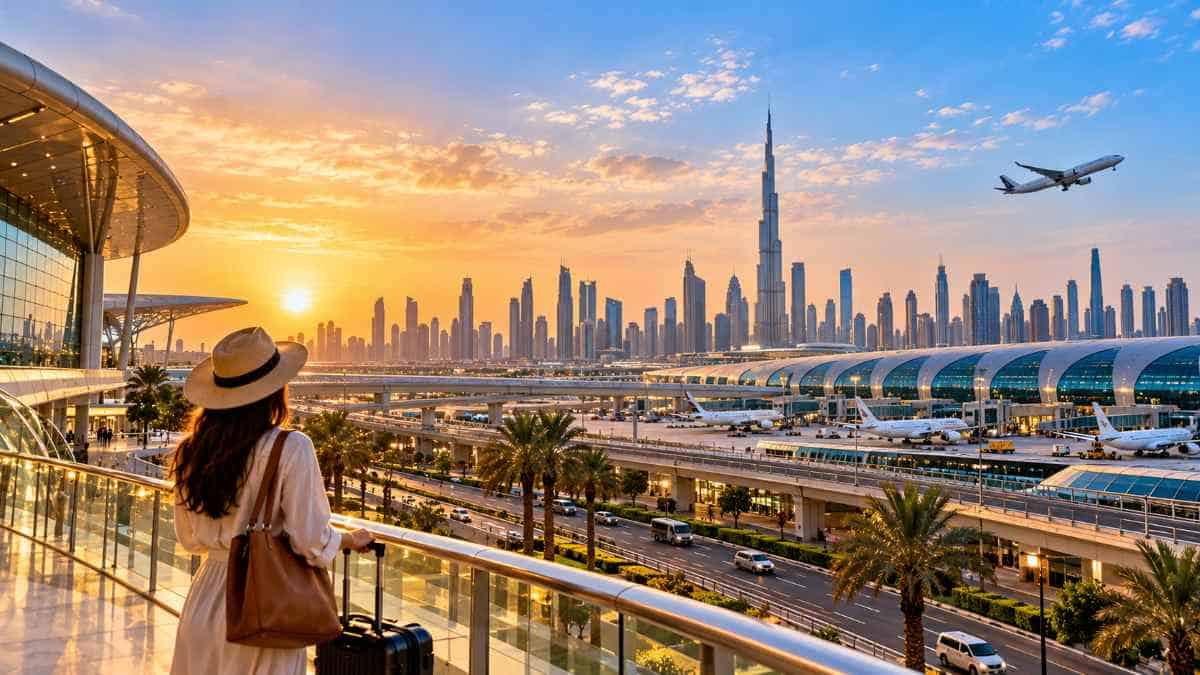
Maintaining its position as an important tourism and aviation hub is what the United Arab Emirates is seeking through its adoption of digital travel solutions and better connectivity within the region. This involves the use of Dubai and Abu Dhabi to connect tourists to the hotels, attractions, business centers and entertainment destinations of the UAE. The policy context in which this is being pursued involves the country’s current electronic visa services, visa on arrival for qualified travellers, and the development of a GCC tourist visa. These are expected to facilitate multi-destination travel within the Gulf more effectively; however, the requirements for entry into each of the countries remain dependent on nationality, visa status and regulations in place. Some of the statements in the brief provided – such as completion of bilateral technical trials, expansion of eligibility to include travelers holding US, UK, Schengen and OECD visas, and a 19.8 per cent transit-to-hotel conversion rate – cannot be verified based on the sources cited.
GCC Grand Tours Visa Could Support Multi-Country Travel
The proposed GCC unified tourist visa, commonly referred to as the GCC Grand Tours visa, is designed to make it easier for eligible visitors to travel across participating Gulf states through a coordinated visa framework. The initiative could benefit tourists who want to combine the UAE with destinations in Saudi Arabia, Qatar, Bahrain, Kuwait and Oman.
Advertisement
Advertisement
For the UAE, the potential value extends beyond individual hotel stays. Multi-country itineraries could encourage visitors to spend more time in the region, connecting city breaks, cultural attractions, shopping, coastal resorts and desert experiences across national borders.
A common regional visa could also create opportunities for tour operators, airlines and hospitality businesses to develop packages that cover several destinations. Travellers would still need to comply with the scheme’s final conditions, including its eligibility rules, permitted duration and implementation arrangements.
Advertisement
Advertisement
The unified visa should not be confused with existing UAE entry permissions. Until the regional scheme is formally operational under confirmed rules, visitors must check the entry requirements for each country on their itinerary.
Visa-on-Arrival Rules Depend on Traveller Eligibility
The UAE already operates visa-on-arrival arrangements for certain nationalities, alongside electronic visa services and entry permits arranged before departure. Eligibility and permitted stays vary according to passport, residency status and other applicable conditions.
Advertisement
Advertisement
Holding a valid visa or residence permit from another country does not automatically guarantee entry to the UAE. Some travellers may qualify under specific arrangements involving visas issued by countries such as the United States or members of the European Union, while others may need to obtain a UAE visa in advance.
The supplied claim that holders of US, UK, Schengen and OECD visas from additional source markets now receive 14-day and 60-day single-stay entry options could not be verified as a single, expanded UAE policy. The OECD is an organisation, not a common visa-issuing area, and its membership should not be treated as a uniform visa eligibility category.
Travellers should therefore consult the UAE’s Federal Authority for Identity, Citizenship, Customs and Port Security before departure. Checking the exact conditions is particularly important for visitors planning short stopovers, business meetings or onward travel through the region.
Dubai and Abu Dhabi Remain Major Aviation Gateways
Dubai International Airport (DXB) and Zayed International Airport (AUH) provide important links between the UAE, Europe, Asia, Africa and other international markets. Their airline networks support tourism, corporate travel, connecting passengers and the movement of visitors attending exhibitions, conferences and major events.
However, the latest verified traffic information does not support the brief’s claim of 7.3 per cent year-to-date growth across both airports. Dubai Airports reported that DXB handled 31.5 million passengers in the first half of 2026, down 31.3 per cent compared with the same period in 2025, amid severe regional aviation disruption and reduced flight capacity.
Dubai Airports also reported that passenger volumes strengthened through the second quarter as airline capacity began returning. This indicates a recovery in monthly traffic during the period, but it does not establish an overall year-to-date increase across DXB and AUH combined.
Advertisement
Advertisement
The two airports also serve different passenger markets and publish separate operational statistics. Any combined growth figure needs a defined reporting period and consistent data from both airport operators.
Transit Passengers and Hotel Stays Offer Growth Potential
The connecting nature of the UAE means that there are ways in which it can promote the use of its facilities in encouraging transit passengers to leave the airports and go and visit some sites in the localities. Short stopovers can be able to create demand for hotels, restaurants, shopping centres and even sightseeing, especially if there is enough time before their subsequent flights. Dubai is home to established attractions such as Downtown Dubai and Dubai Creek including waterfronts. On the other hand, Abu Dhabi also attracts tourists to sites such as cultural attractions, museums, beaches and places for leisure purposes. In both areas, there are hotels targeting the travellers who may spend nights between their international connections. However, despite the reported figures of 19.8 per cent transit-to-hotel conversion rate, no evidence exists through official sources. Calculating the above conversion figure means defining the target population of transit passengers, their stay in hotels, and the duration of the same, among others. With visa cooperation becoming increasingly possible within the region, the UAE can use its electronic entry systems and air networks to make multi-city journey planning easy.
Advertisement
