
South Korea Travel Enters New Era As Landmark Wellness Tourism Law Unlocks Global Healing Tourism Growth

Published
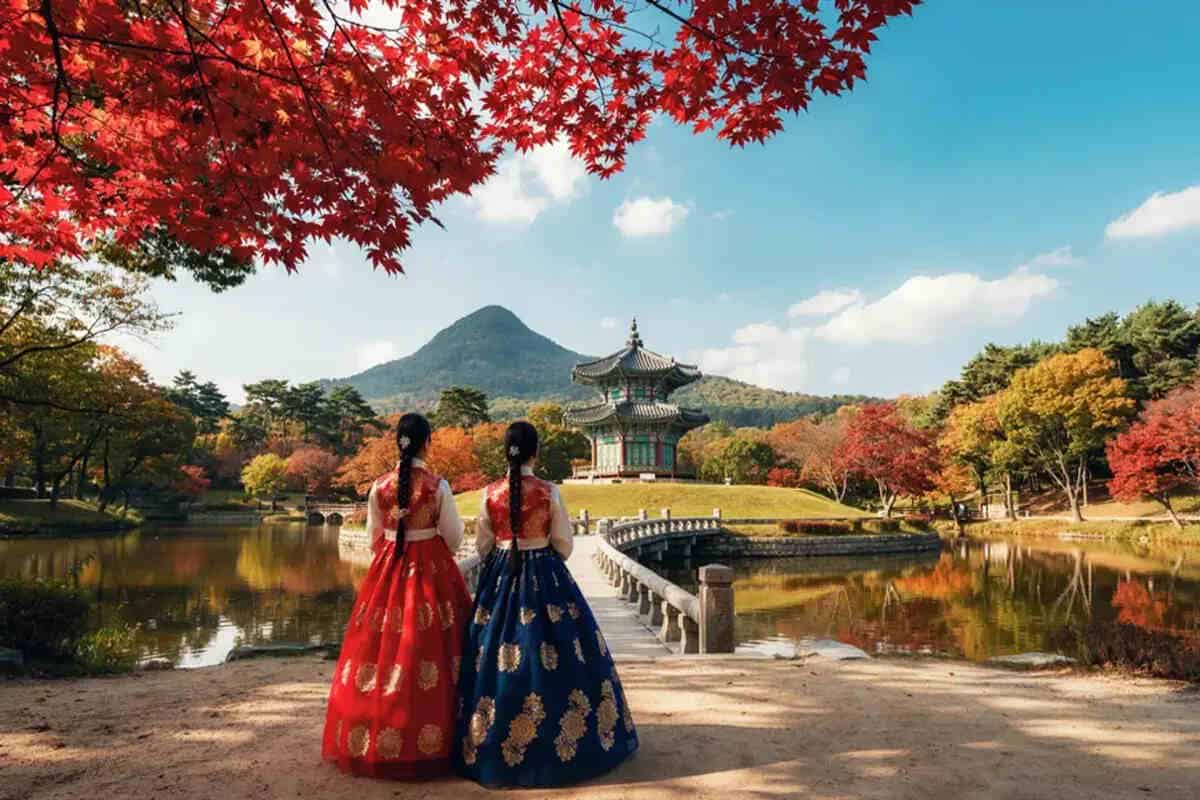
Image generated with Ai
South Korea Travel has entered a new era as the country introduces its first legal framework for wellness tourism, officially recognising healing tourism as an industry and creating national systems to regulate, develop and promote health-focused travel experiences. The landmark law aims to boost global wellness tourism growth by supporting destinations, improving service standards and combining South Korea’s natural landscapes, cultural heritage and traditional healing practices with modern tourism offerings.
South Korea has entered a new phase of wellness tourism development after introducing its first dedicated legal framework to officially recognise healing tourism as an industry. The new law creates a national system to regulate wellness tourism businesses, improve service standards and strengthen the country’s position as a global destination for health, relaxation and cultural experiences.
The Act on the Promotion of the Healing Tourism Industry came into force on 9 April 2026 after receiving approval from the Korean National Assembly in March 2025. The legislation provides the foundation for developing a structured wellness tourism sector by defining healing tourism activities and creating government-led programmes to support destinations, businesses and international visitor growth.
South Korea Defines A New Future For Wellness Tourism
The new law introduces an official definition of healing tourism, covering travel experiences that use natural, cultural and lifestyle resources to support health, wellbeing and a better quality of life. These experiences include activities connected with forests, scenic landscapes, hot springs, local cuisine, barefoot walking trails, meditation and other relaxation-focused programmes.
Advertisement
Advertisement
Unlike traditional leisure tourism, South Korea’s healing tourism model focuses on experiences designed to improve physical and mental wellbeing. The framework aims to create a stronger connection between tourism, healthcare, nature and Korean cultural traditions.
Advertisement
Advertisement
The legislation also separates wellness tourism operators into different categories. Businesses providing specialised healing programmes and facilities offering wellness accommodation will be recognised under the new system. This approach will allow authorities to introduce standards related to programme quality, professional skills, staff training, accessibility and operational management.
Government Creates National Strategy To Expand Healing Tourism Industry
South Korea’s Ministry of Culture, Sports and Tourism will oversee the development of the new industry structure. The ministry will prepare a national masterplan for healing tourism growth while creating registration systems for eligible businesses.
The government will also carry out sector research, develop professional training programmes and establish regional healing tourism industry districts. These measures are designed to improve consistency across wellness destinations and create internationally competitive tourism products.
Advertisement
Advertisement
A major focus of the strategy is attracting more overseas visitors. The ministry has selected 20 destinations from its existing network of 88 Excellent Wellness Tourism Destinations to receive additional support for international promotion.
Each selected destination can receive up to KRW 50 million in funding, equivalent to around US$36,600, €31,300 or £27,100. The financial assistance will support global marketing activities, digital tourism services, new wellness products and promotional campaigns targeting international travellers.
Advertisement
Advertisement
Korean Destinations Showcase Nature, Heritage And Medical Wellness
The selected wellness destinations highlight South Korea’s diverse approach to healing tourism. They combine natural environments, traditional culture, modern facilities and personalised wellness programmes.
Among the featured destinations is Sayuwon in Daegu, a location that combines nature, architecture and meditation experiences. The destination reflects South Korea’s focus on creating peaceful environments where visitors can reconnect with nature while enjoying wellness activities.
Awon Museum and Hanok Stay in Wanju represents another side of Korean wellness tourism by combining traditional architecture, cultural heritage and relaxation experiences. The destination allows travellers to experience the atmosphere of a traditional Korean setting while enjoying a slower pace of travel.
On Jeju Island, WE Hotel Jeju provides a medically supported wellness experience, bringing together healthcare expertise and tourism services. The property represents South Korea’s ambition to connect wellness travel with professional health-related programmes.
Beomeosa Temple Project Strengthens International K-Wellness Appeal
One of the most important developments under South Korea’s wellness tourism expansion is the International Templestay Center at Beomeosa Temple in Busan. The facility is scheduled to be completed in August 2027 and will provide dedicated spaces for meditation, mindfulness activities and cultural programmes.
Advertisement
Advertisement
The 646-square-metre centre will include accommodation facilities and programme spaces spread across three buildings. The project represents an investment of KRW 3.375 billion, approximately US$2.4 million, with support from national and district funding.
Beomeosa Temple is also working with Busan City, Geumjeong District, universities and cultural organisations to develop new K-wellness tourism packages, educational programmes and research initiatives.
The project reflects South Korea’s effort to transform traditional cultural assets into internationally appealing wellness experiences. Temple stays, meditation practices and spiritual heritage are becoming important elements of the country’s wider tourism strategy.
South Korea Travel enters a new era as the country launches a landmark wellness tourism law to strengthen healing experiences, attract global visitors and build a regulated wellness industry.
South Korea Builds A Distinctive Global Wellness Identity
South Korea’s new legal framework marks a significant change in how the country approaches wellness tourism. By creating industry regulations, professional standards and government-backed support systems, the country is moving wellness travel from a niche tourism segment into a recognised national industry.
Advertisement
Advertisement
The country’s strategy is based on combining its own cultural identity with growing global demand for wellness experiences. Instead of copying international wellness models, South Korea is developing a unique approach built around its landscapes, traditions, food culture, meditation practices, herbal knowledge and cultural heritage.
With new regulations, targeted investment and international promotion, South Korea is positioning healing tourism as a major part of its future tourism landscape. The new framework provides the foundation for expanding wellness travel opportunities for both domestic and international visitors while strengthening the country’s reputation as a destination for holistic experiences.
Advertisement
