
Thailand Aviation Boom Could Unlock New Tourism Growth Through US$18.8 Billion Aircraft Deal

Published
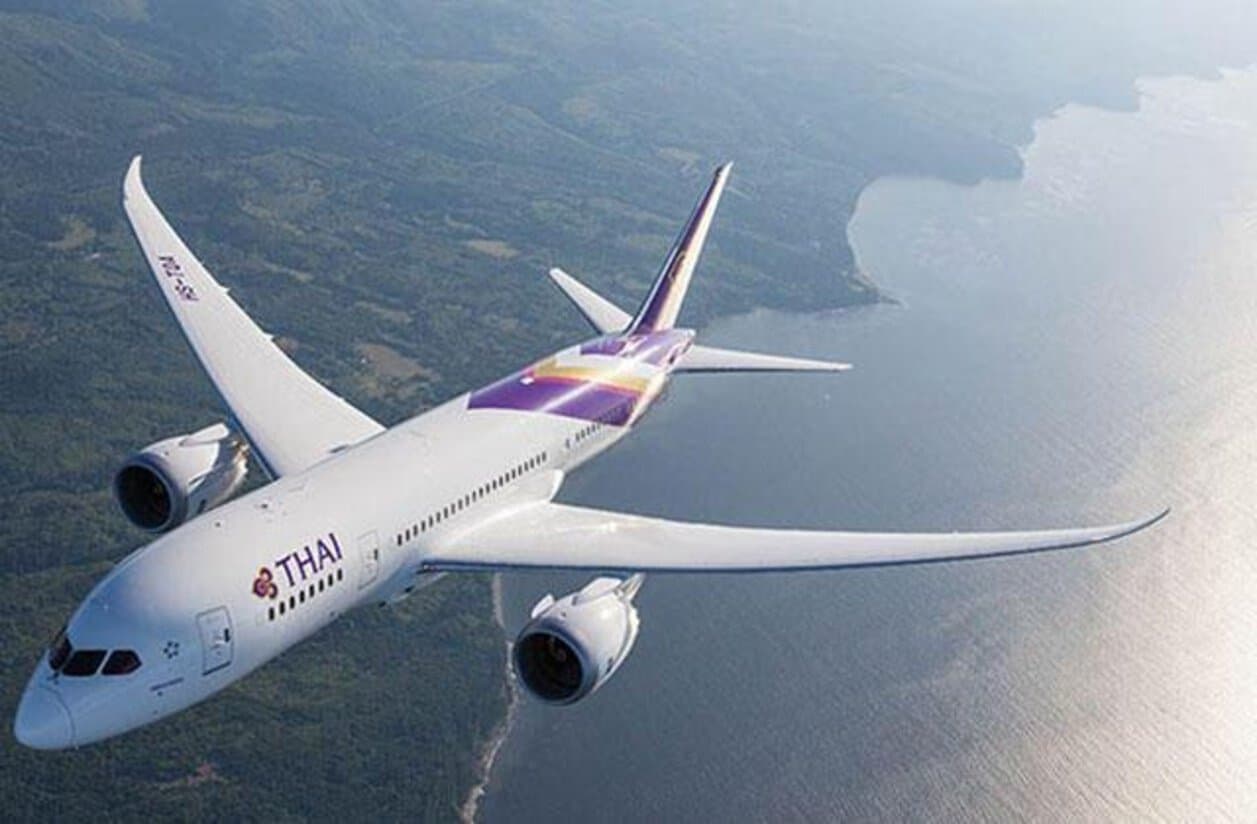
Thailand has proposed the purchase of 80 American passenger planes worth 18.8 billion dollars under the US-Thailand trade framework, which could fuel a new Thai aviation industry boom. Finalizing this framework will require the completion of final commercial and political processes, which were announced by the US Trade Representative in October 2025. The Thai aviation industry is particularly receptive to new growth in 2026, as the country’s tourism industry has suffered from high business costs and irregular international passenger flights. Thai airlines may be able to use the new aircraft to improve international passenger flights to more distant countries, however, there are currently no plans to establish such flights. It is also unlikely that passenger flights to long-haul destinations would have lower fares in the foreseeable future.
US Trade Framework Places Aviation at the Centre
The United States and Thailand agreed to a framework for an Agreement on Reciprocal Trade in October 2025. Aviation emerged as one of its largest commercial components.
According to the Office of the United States Trade Representative, the two countries noted forthcoming commercial agreements covering 80 American aircraft. Their combined value was estimated at US$18.8 billion.
The framework did not name every purchaser, aircraft model, delivery date or planned route. It also did not say that all 80 aircraft would immediately enter passenger services.
Advertisement
Advertisement
That distinction matters. The figure represents an official commercial commitment included within a wider trade framework. It should not be presented as 80 aircraft already delivered or operating.
What the US Thailand Framework Contains
The aviation procurement sits beside significant tariff and market-access commitments.
Advertisement
Advertisement
| Official framework provision | Published detail |
|---|---|
| Proposed US aircraft procurement | 80 aircraft |
| Estimated aircraft value | US$18.8 billion |
| US reciprocal tariff on Thai imports | 19% |
| Thai tariff removal | 99% of US goods |
| Annual US agricultural purchases | Approximately US$2.6 billion |
| Annual US energy purchases | Approximately US$5.4 billion |
| Status | Framework awaiting further finalisation |
The United States said it would maintain a 19% reciprocal tariff on imports from Thailand. Certain products could qualify for a zero rate under a separate list for aligned trading partners.
Thailand, meanwhile, committed to eliminating tariffs on 99% of goods imported from the United States. The framework also covers digital trade, investment, labour protections, environmental enforcement and supply-chain security.
Advertisement
Advertisement
Why Aircraft Investment Matters to Thailand Tourism
Air access is essential to Thailand because most international visitors reach the country by air. Additional aircraft could allow Thai operators to renew older fleets, restore frequencies or increase capacity where demand supports expansion.
Newer long-haul aircraft may also help airlines manage fuel consumption and operating costs. However, the final impact will depend on aircraft type, seating configuration, deployment and delivery schedules.
The potential tourism benefits include:
- Greater seat capacity on selected international routes
- More flexibility to restore suspended services
- Better opportunities for long-haul network development
- Stronger connections through Bangkok
- Additional capacity for high-demand holiday periods
- Improved links with secondary Thai destinations through connecting services
None of those results is automatic. Airlines must assess passenger demand, fares, fuel prices, staffing, airport slots and route profitability before deploying new capacity.
Advertisement
Advertisement
Thailand Aviation Boom Meets Uneven Visitor Recovery
Thailand’s visitor economy continued to show mixed conditions in 2026. Official tourism indicators published by the Bank of Thailand recorded approximately 2.55 million international arrivals in July 2026.
That represented an increase from around 1.84 million in June. The figures were provisional and sourced from Thailand’s Ministry of Tourism and Sports.
National accommodation occupancy reached 70.05% in July, up from 65.70% in June. The central region, including Bangkok, recorded 72.40%, while southern Thailand reached 71.65%.
Northern Thailand posted 60.58%. The north-east recorded 67.74%, showing that tourism demand remained uneven across the country.
| Thailand tourism indicator | June 2026 | July 2026 |
|---|---|---|
| International arrivals | 1.84 million | 2.55 million |
| National accommodation occupancy | 65.70% | 70.05% |
| Central region occupancy | 67.72% | 72.40% |
| Southern region occupancy | 67.05% | 71.65% |
| Three-month advance booking rate | 18.79% | 18.06% |
The advance booking rate declined slightly despite higher arrivals and occupancy. This suggests that travellers may still be booking closer to departure or that demand beyond the immediate travel period remains uncertain.
Long-Haul Connectivity Could Support Wider Tourism Growth
More long-haul capacity could help Thailand reach travellers who usually stay longer and require stronger connecting networks. Bangkok would remain the natural gateway, but connecting traffic could benefit destinations such as Chiang Mai, Phuket, Krabi and Koh Samui.
Advertisement
Advertisement
New aircraft could also give airlines greater scheduling flexibility. Carriers can use a larger fleet to increase frequencies, protect operations during maintenance and match aircraft size with route demand.
Tour operators could benefit from more reliable seat allocations. Hotels may receive stronger demand during peak periods, while destination management companies could build packages around improved connections.
Still, an aircraft purchase does not guarantee a specific route. Travellers should rely on confirmed airline schedules rather than treating the trade framework as a timetable.
Airports Will Need to Match Any Capacity Growth
A larger aviation market requires more than aircraft. Airports need stands, gates, baggage systems, immigration capacity and reliable ground transport.
Bangkok’s principal gateways would carry much of the pressure created by additional international services. Tourism benefits could spread further if domestic connections remain frequent and affordable.
Regional airports could gain when airlines use Bangkok as a transfer hub. Yet that would depend on coordinated schedules and sufficient terminal capacity.
Advertisement
Advertisement
Border processing will also shape the passenger experience. More seats can support arrivals, but congestion can weaken the benefit if terminals, immigration halls or baggage systems cannot handle additional demand efficiently.
Hotels and Local Businesses Could Gain Gradually
Hotels could benefit if additional capacity produces more overnight visitors. Resorts, tour companies, transport operators and attractions could also receive greater demand.
The effect would not appear evenly across Thailand. Destinations connected to major international gateways would probably feel the benefit first.
Businesses in secondary destinations would need effective domestic links and coordinated destination marketing. Tourism growth based only on established resorts could deepen regional imbalances.
Official data does not yet identify a specific number of tourism jobs or an exact amount of visitor revenue attributable to the proposed aircraft purchases. Any such figure would therefore be premature.
Trade Commitments Could Support Aviation Technology
The agreement also contains provisions affecting digital trade and services. These include cross-border data transfers, electronic transmissions and retail electronic payments.
Advertisement
Advertisement
Such measures could affect airline distribution, hotel reservations, travel payments and customer-service platforms. Their final tourism impact will depend on the legal text and implementation.
Better digital connectivity may help airlines and tourism businesses manage international bookings. It could also support smoother payments for overseas travellers.
However, the framework remains broader than aviation. Industry participants must wait for final rules before assessing compliance costs or operational changes.
What International Travellers Need to Know
The US$18.8 billion aircraft plan does not change Thailand’s entry requirements. It also does not confirm new routes, lower fares or extra flights.
Travellers should continue to:
- Check official airline schedules before booking
- Confirm current passport and entry requirements
- Review connection times at Bangkok airports
- Monitor schedule changes close to departure
- Verify which airport serves their destination
- Avoid assuming that announced aircraft orders create immediate capacity
Fleet purchases normally involve manufacturing, financing, certification and phased delivery. Any passenger benefit is therefore likely to emerge over time.
Advertisement
Advertisement
Future Outlook for Thailand Aviation Boom
The official framework provides a significant financial marker for future US–Thailand aviation cooperation. It establishes the proposed number and estimated value of aircraft but stops short of publishing an operational plan.
Further negotiations are intended to finalise the reciprocal trade agreement. Airlines and manufacturers must also complete their own commercial arrangements.
The most credible outlook is gradual. Aircraft deliveries could support fleet renewal and selected capacity increases once contracts, schedules and regulatory requirements are completed.
Thailand’s tourism sector will still depend on demand, competitive fares, airport readiness and effective regional distribution. The US$18.8 billion commitment creates potential, but implementation will determine its value.
Frequently Asked Questions
Have all 80 US aircraft already been ordered and delivered?
No. The official trade framework refers to forthcoming procurement of 80 aircraft worth US$18.8 billion. It does not confirm that every aircraft has been delivered or entered service.
Will the aircraft agreement create new routes to Thailand?
The framework does not announce any routes. Airlines will decide future destinations after considering demand, fleet availability, operating costs and regulatory approvals.
Advertisement
Advertisement
Will travellers receive cheaper fares?
Lower fares are not guaranteed. Ticket prices depend on demand, competition, fuel costs, taxes, operating expenses and available capacity. Additional aircraft could improve competition, but no official fare reduction has been announced.
Conclusion
Aviation occupies a key position in the US-Thailand trade pact. With 80 aircraft valued at $18.8 billion, Thailand has the opportunity to strengthen and expand its air connections. While this may occur, route authorizations will still depend on commercial judgement. The air connectivity pact announced for Thailand is positive. The new aircraft may permit Thailand to refine its tourism industry. Instead of relying on a small number of major markets, the aircraft may help to distribute visitors to other markets and provide a stable tourism economy.
Advertisement
