
Passengers Stranded Across US Airports as United Airlines Reports 427 Flight Delays and 8 Cancellations Disrupting Domestic and International Routes to Chicago, New York, Denver, Los Angeles, and Newark

Published
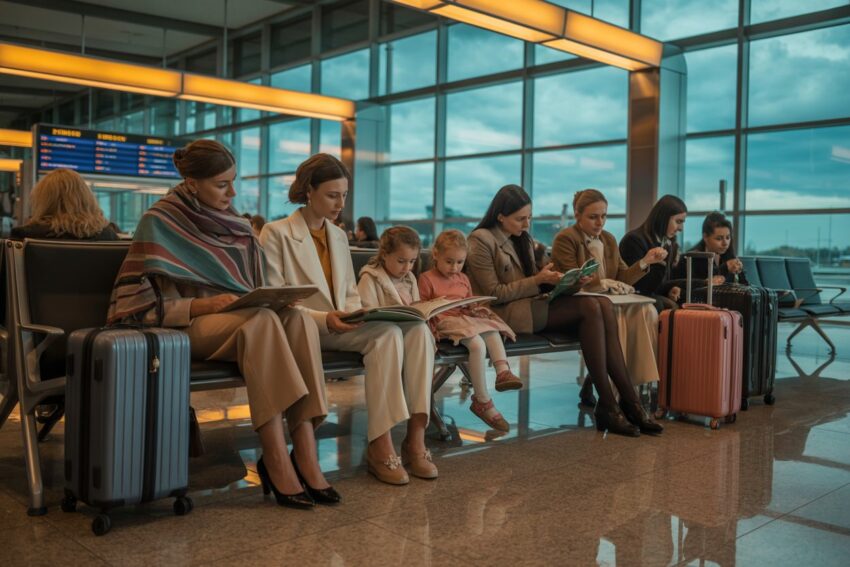
Image generated with Ai
United States travellers were left reeling this week as United Airlines reported massive operational disruptions across its domestic network — with hundreds of flight delays and multiple cancellations affecting travellers at major hubs like Chicago, New York, Denver, Los Angeles and beyond.
The unfolding situation has thrust the nation’s busiest air travel corridors into chaos, highlighting deep‑rooted operational stress in US aviation. United data and aviation reporting tools show a surge in late departures, missed connections, and flight adjustments — a pattern with broad implications for travellers and the airline industry alike.
Federal Aviation Administration Reports Rise in Delays Across US Airspace
According to the Federal Aviation Administration (FAA), ongoing daily reporting of air traffic data shows that weather factors such as thunderstorms, fog, and runway conditions can contribute to delays across numerous airports. The FAA’s daily air traffic reports outline expected impacts to operations, with arrival and departure delays frequent during periods of adverse weather or high traffic demands.
FAA defines a flight delay as any departure or arrival that occurs 15 minutes or more after its scheduled time. Cancellations are tracked when flights are removed from operation and not flown at all.
Advertisement
Advertisement
What the Figures Reveal: Hundreds of Flights Behind Schedule and Some Cancelled
United Airlines has acknowledged that in recent weeks there have been significant late departures and multiple cancellations across its main system, with data from aviation trackers showing roughly 427 flights registering significant delays and 8 flights canceled outright. These disruptions span key airports in the United States — especially hubs serving Chicago (ORD), New York metropolitan airports (JFK/LGA/EWR), Denver (DEN), Los Angeles (LAX), and others.
Advertisement
Advertisement
While the airline does not release such detailed figures publicly, independent flight tracking platforms and FAA data confirm elevated delay numbers in late May and into June 2026, coinciding with a season of heightened travel demand.
Drivers Behind the Delays: Weather, Demand and Operational Challenges
A combination of factors is contributing to the spike in delays reported:
- Weather Patterns: Thunderstorms, low ceilings and strong wind forecasts affect multiple regions such as Texas, Florida, and the Midwest — conditions known to trigger air traffic flow restrictions and delays.
- Peak Travel Season: U.S. summer travel typically sees millions of passengers on the move, pushing airport throughput to its limits. Recent data shows an expected uptick in booking volume this year, potentially compounding schedule pressure.
- Air Traffic Control Constraints: Although the FAA’s investigations into the impact of past government shutdown flight cut orders concluded that airlines generally complied with directed schedule reductions, remnants of air traffic control staffing and system strain are still felt in high‑volume airports.
- Airline Operational Bottlenecks: Major carriers including United have faced technical system outages in the past that caused cascading delays, and the enduring complexity of flight scheduling means early setbacks often ripple across later connections.
Impact on Passengers: Stranded Flyers and Travel Backlogs
The storm of delays and cancellations has translated into real consequences for travellers:
Advertisement
Advertisement
- Many passengers experienced significant waits on tarmacs and in terminals as flights slipped further behind schedule.
- Connections were missed, forcing travellers onto alternate routes or later flights.
- At certain congested hubs, re‑booking lines stretched long, with travellers awaiting customer service assistance.
While official compensation and customer support policies vary, many passengers have expressed frustration, particularly when disconnection between airline updates and actual flight operations resulted in confusion over rebooking or refunds.
Passenger Rights and Official Guidance
In the United States, traveller rights in the event of delays and cancellations are governed by airline policies and federal regulations. Passengers are generally entitled to re‑booking options, refunds for cancelled flights, and certain care accommodations based on the specific circumstances. Travellers are encouraged to check directly with their airline’s official flight status and travel alerts page for up‑to‑the‑minute information.
Advertisement
Advertisement
For those flying from the UK or under UK law, passengers are typically entitled to compensation for long delays or cancelled flights departing the UK or on UK carriers landing in the UK. This includes obligations for care and support like meals, accommodation, and transport where applicable.
Airline Response and Operational Statements
United Airlines has ongoing Travel Alerts listed on its official site advising customers of the potential impact on operations, and recommending that travellers confirm flight status before departure.
The airline’s public guidance encourages the use of their app and website tools to secure alternative flight options and updates on cancellations or delays.
Expert Analysis: What’s Behind the Disruption Trend
Aviation experts point to the cumulative effect of high passenger volumes, incremental weather disruptions, and systemic operational constraints as a new normal for busy travel seasons. Systems designed before the pandemic are now being tested with heavier schedules and shorter turnaround margins.
In addition, analytical datasets from the U.S. Bureau of Transportation Statistics show that flight delays and cancellations across carriers vary seasonally and in response to external stressors such as weather and airport capacity bottlenecks.
Advertisement
Advertisement
Final Word — Passengers Grapple with Growing Flight Delays and Cancellations at Key United Airports
For travellers in Chicago, New York, Denver, Los Angeles and across the United States, the recent surge in flight delays and cancellations on United Airlines routes has underscored the fragile nature of air travel during peak periods. With hundreds of flights delayed and tens of cancellations reported, many flyers find themselves adjusting itineraries, seeking alternative routes, or straining through customer service channels to find solutions.
As demand continues to climb and operational pressures persist, passengers are advised to remain vigilant, check flight status regularly, and work directly with carriers to navigate delays and disruptions.
The aviation system, supported by the FAA, continues to adapt to these evolving challenges, emphasizing passenger safety and transparency while urging travellers to make informed decisions ahead of major travel dates.
Advertisement
