
Austria Tourism Gains Fresh Momentum as German and Czech Travellers Drive New Visitor Growth Across Alpine Destinations: All You Need to Know

Published
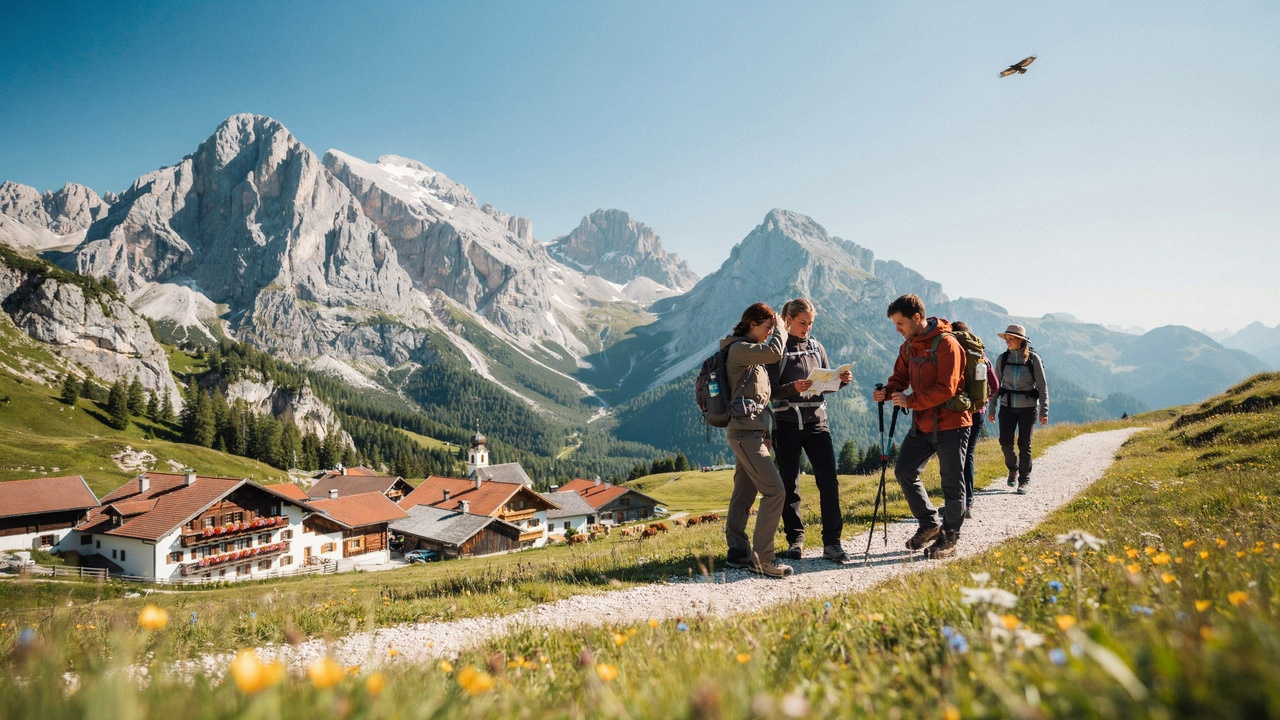
Austria tourism is experiencing renewed growth as travellers from Germany and the Czech Republic continue to strengthen the country’s international visitor base. The Alpine nation is benefiting from its close geographical connections, strong transport links and diverse holiday experiences ranging from mountain escapes and winter sports to historic cities and cultural journeys.
The latest tourism trends show that neighbouring European markets remain essential pillars of Austria’s travel economy. Germany continues to represent the country’s largest international source market, while Czech visitors are also contributing to steady growth across Austrian regions.
Advertisement
Advertisement
With world-famous destinations such as Vienna, Salzburg, Tyrol and the Austrian Alps attracting visitors throughout the year, Austria is positioning itself as a leading destination for nature, culture and sustainable travel experiences.
According to official Austrian tourism statistics, the country recorded 48.2 million arrivals and 157.3 million overnight stays in 2025, marking another record performance for the national tourism sector. International visitors generated a significant share of this demand, confirming Austria’s continued strength in European travel.
Advertisement
Advertisement
Germany Remains Austria’s Most Important Tourism Market
Germany continues to play a central role in Austria’s tourism performance because of its proximity, strong cultural links and convenient travel connections.
German travellers frequently visit Austria for short city breaks, ski holidays, wellness retreats and summer mountain holidays. The country’s accessible rail connections and road networks make Austria an attractive option for German tourists seeking nearby international experiences.
Advertisement
Advertisement
The relationship between Germany and Austria has historically created one of Europe’s strongest cross-border tourism movements. Visitors from Germany regularly explore Austrian regions including Tyrol, Salzburg and Vienna, combining outdoor activities with cultural attractions.
| Key Market | Importance for Austria Tourism |
|---|---|
| Germany | Largest international visitor market |
| Czech Republic | Growing neighbouring European market |
| Netherlands | Important Alpine holiday market |
| Switzerland | Strong regional tourism connection |
| Italy | Major cultural and leisure market |
Official tourism figures show that Germany remained Austria’s leading international market, contributing a substantial share of overnight stays.
Advertisement
Advertisement
German visitors are particularly important for Austria’s winter tourism economy. Ski resorts across Tyrol and Salzburg attract thousands of German holidaymakers looking for snow activities, mountain landscapes and traditional Alpine experiences.
Czech Travellers Increase Their Interest in Austrian Destinations
The Czech Republic has become another important neighbouring market supporting Austria’s tourism development.
Improved connectivity, shorter travel distances and growing interest in nature-based holidays have encouraged more Czech travellers to explore Austrian destinations.
Many Czech visitors choose Austria for:
Advertisement
Advertisement
- Alpine landscapes
- Ski resorts
- Lakeside holidays
- Hiking routes
- Wellness experiences
- Historic towns
The popularity of destinations near the Czech border has also contributed to this growth. Regions such as Lower Austria, Upper Austria and Vienna benefit from easier access for Czech travellers arriving by road and rail.
Austria’s combination of outdoor experiences and cultural attractions provides strong appeal for visitors seeking flexible holidays throughout the year.
Vienna Leads Austria’s Urban Tourism Expansion
Vienna continues to strengthen its position as one of Europe’s most attractive city destinations.
The Austrian capital combines imperial architecture, museums, music heritage, gastronomy and modern cultural experiences. The city has experienced significant tourism growth, supported by international demand and increasing interest in cultural travel.
Vienna recorded more than 20 million overnight stays in 2025, representing a record performance for the city’s tourism sector.
The destination attracts visitors through attractions such as:
Advertisement
Advertisement
| Vienna Attraction | Travel Experience |
|---|---|
| Schönbrunn Palace | Imperial history and architecture |
| Hofburg Palace | Austrian heritage and museums |
| Vienna State Opera | Classical music experiences |
| MuseumsQuartier | Art and cultural events |
| Historic City Centre | UNESCO-listed urban heritage |
The city’s success also reflects a wider European trend where urban tourism continues to recover strongly alongside traditional leisure destinations.
Alpine Regions Continue to Attract Nature and Adventure Travellers
Austria’s mountain regions remain the foundation of its tourism identity.
Tyrol and Salzburg continue to attract visitors with dramatic landscapes, ski resorts, hiking trails and year-round outdoor activities.
Tyrol Becomes a Major Hub for Mountain Tourism
Tyrol is one of Austria’s most recognised tourism regions. The destination attracts travellers interested in:
- Skiing and snowboarding
- Alpine hiking
- Mountain villages
- Luxury resorts
- Adventure activities
Popular destinations include Innsbruck, Kitzbühel and the Ötztal Valley.
In winter, Tyrol becomes a global hub for skiing tourism. During summer, the region transforms into a destination for hiking, cycling and nature exploration.
Advertisement
Advertisement
Salzburg Combines Culture With Natural Beauty
Salzburg offers a unique blend of history and landscapes.
The city is famous as the birthplace of Mozart and the setting of historic architecture, while the surrounding Salzburg region offers lakes, mountains and traditional villages.
Visitors often combine Salzburg city breaks with trips to:
- Salzkammergut lake district
- Wolfgangsee
- Zell am See
- Alpine hiking areas
This combination of culture and nature makes Salzburg attractive across multiple seasons.
Austria Expands Beyond Traditional Tourism With Diverse Regional Experiences
Austria’s tourism growth is no longer limited to famous cities and ski destinations. Smaller regions are increasingly attracting travellers searching for authentic experiences.
Destinations such as Hallstatt, Graz, Carinthia and Lake Neusiedl are becoming increasingly recognised for their unique landscapes and cultural offerings.
Advertisement
Advertisement
| Destination | Main Tourism Appeal |
|---|---|
| Hallstatt | Lakeside scenery and historic village atmosphere |
| Graz | UNESCO heritage, food culture and architecture |
| Carinthia | Lakes, mountains and outdoor activities |
| Lake Neusiedl | Cycling, nature and water sports |
| Innsbruck | Alpine adventure and city experiences |
The expansion of regional tourism helps distribute visitors beyond major hotspots while creating new opportunities for local communities.
Winter Tourism Remains a Powerful Driver for Austria’s Travel Economy
Winter tourism continues to be one of Austria’s strongest tourism segments.
The 2025/26 winter season generated 74.3 million overnight stays, representing growth compared with the previous winter period.
Austria’s reputation for high-quality ski resorts, reliable infrastructure and traditional Alpine hospitality continues to attract visitors from neighbouring countries and international markets.
Winter destinations provide experiences beyond skiing, including:
- Snowshoeing
- Wellness retreats
- Christmas markets
- Culinary tourism
- Scenic mountain journeys
German and Czech travellers remain particularly important during the winter months because of Austria’s accessibility.
Advertisement
Advertisement
Sustainable Travel and Year-Round Tourism Shape Austria’s Future Growth
Austria is increasingly focusing on sustainable tourism development and encouraging visitors to explore destinations throughout the year.
The country’s tourism strategy highlights the importance of balancing visitor growth with environmental protection, regional development and quality experiences.
Nature tourism, rail travel, cycling routes and eco-friendly accommodation options are becoming increasingly important parts of Austria’s tourism offering.
The official Austrian tourism platform promotes the country as a destination combining mountains, lakes, culture and sustainable travel opportunities.
This approach allows Austria to attract different traveller groups, including families, adventure tourists, luxury travellers and cultural explorers.
Austria Tourism Growth Highlights
| Tourism Area | Current Trend |
|---|---|
| International Arrivals | Continued increase |
| German Market | Austria’s largest foreign source market |
| Czech Market | Growing regional visitor demand |
| Vienna | Record city tourism performance |
| Alpine Regions | Strong winter and summer appeal |
| Sustainable Travel | Increasing importance |
Frequently Asked Questions
1. Why are German tourists important for Austria tourism?
German tourists are important because Germany is Austria’s largest international source market. Proximity, cultural connections and easy transport links encourage frequent travel between both countries.
Advertisement
Advertisement
2. Why are Czech visitors choosing Austria for holidays?
Czech travellers are increasingly attracted to Austria because of its nearby location, Alpine landscapes, outdoor activities, cultural attractions and convenient travel connections.
3. Which Austrian destinations are most popular among international visitors?
Vienna, Tyrol, Salzburg, Innsbruck, Hallstatt and the Austrian Alps remain among the country’s most recognised destinations.
4. Is Austria only a winter holiday destination?
No. Austria attracts visitors throughout the year. Winter tourism is strong, but summer hiking, lake holidays, cultural tourism and city breaks are also major attractions.
5. What makes Austria attractive for European travellers?
Austria combines historic cities, mountain landscapes, outdoor activities, excellent transport infrastructure and cultural experiences, making it suitable for different types of travellers.
6. Which regions benefit most from Austria’s tourism growth?
Regions including Tyrol, Salzburg and Vienna continue to receive high visitor demand, while smaller destinations are also gaining popularity through nature and cultural tourism.
Advertisement
