
Malawi Follows Chad and Others as New $4.6M Conservation Drive Protects Africa’s Wildlife Tourism Assets

Published
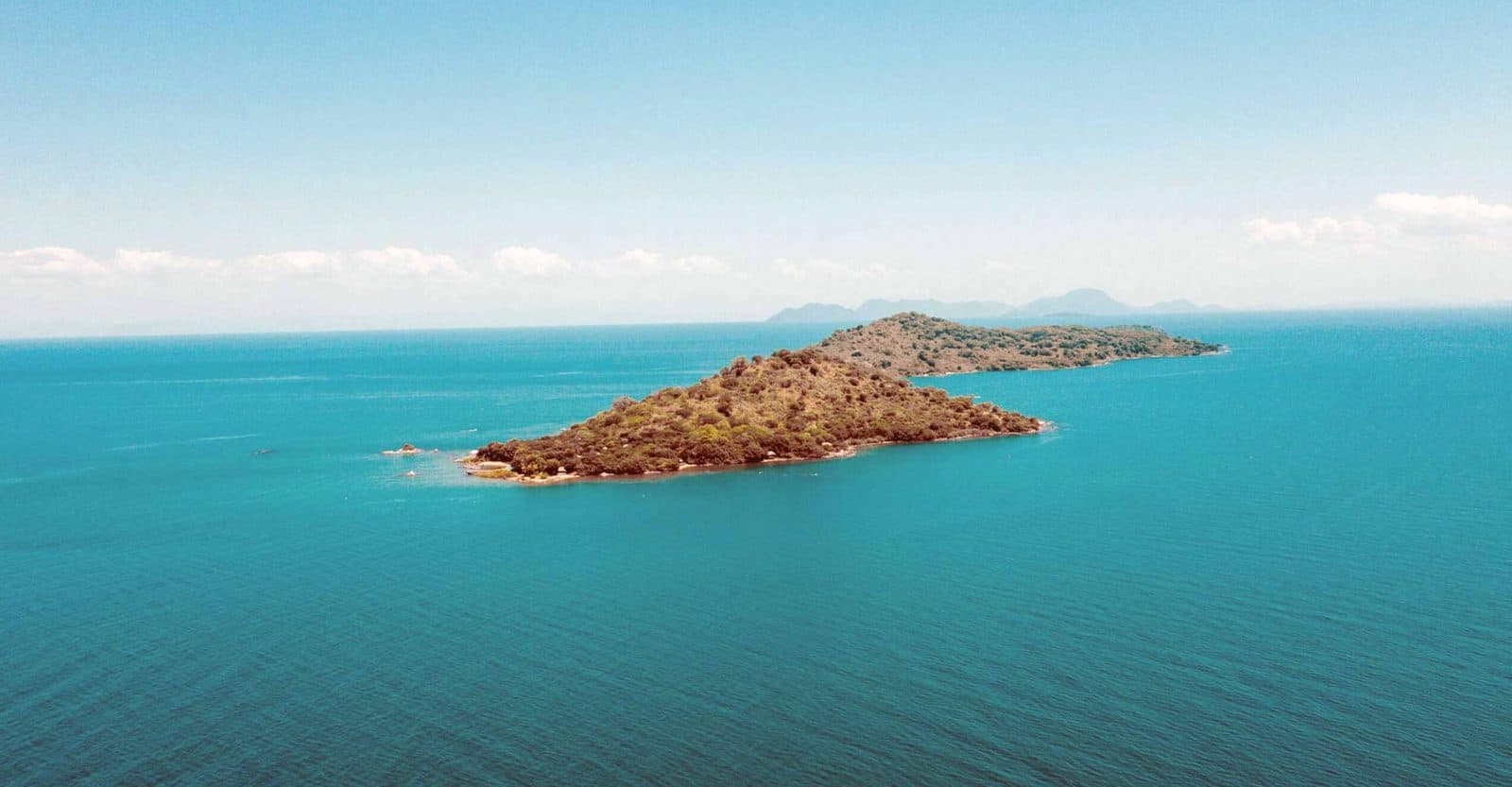
Malawi follows Chad and others as a new $4.6M conservation drive strengthens efforts to protect Africa’s wildlife tourism assets through a results-based conservation finance model. The project works in Chad, the Democratic Republic of Congo, the Republic of Congo and Malawi to maintain and improve protected areas through biodiversity conservation, effective management of protected areas and responsible nature tourism. The project employs a novel approach to conservation finance. The long-term goal of the project is to protect a number of ecosystems. New and lasting wildlife safaris and other eco-tourism in Africa is expected to grow as a result of effective conservation of wildlife and other ecosystems.
Malawi Wildlife Tourism Gains Strength Through Majete Wildlife Reserve Conservation Efforts
Malawi’s wildlife tourism sector continues to benefit from long-term conservation investment focused on restoring ecosystems and protecting biodiversity. Majete Wildlife Reserve has become an important example of how protected-area management can support wildlife recovery and strengthen nature-based tourism. The reserve, located in southern Malawi, has experienced major conservation transformation through improved protection, habitat restoration and wildlife management. The new conservation finance approach using Verifiable Nature Units (VNUs) adds another layer by connecting measurable environmental progress with future funding opportunities.
- Majete Wildlife Reserve is one of Malawi’s important protected landscapes.
- Conservation programmes have focused on wildlife restoration and ecosystem protection.
- The reserve supports safari experiences and nature-based tourism.
- Biodiversity monitoring remains central to conservation planning.
- Results-based finance aims to improve transparency in conservation investment.
| Category | Details |
|---|---|
| Country | Malawi |
| Protected area | Majete Wildlife Reserve |
| Conservation focus | Wildlife recovery, biodiversity protection, habitat management |
| Tourism importance | Safari experiences and nature travel |
| Finance approach | Verifiable Nature Units based conservation model |
Chad’s Zakouma National Park Builds Wildlife Tourism Value Through Conservation Protection
Chad’s Zakouma National Park represents one of Africa’s most recognised wildlife conservation landscapes. The park protects important savannah ecosystems and supports species including elephants and other large mammals. Conservation investment has helped strengthen wildlife monitoring, park operations and tourism potential. Zakouma demonstrates how protecting natural habitats can create opportunities for safari tourism while supporting wider environmental goals. The latest conservation finance model includes Zakouma among the African Parks landscapes where measurable ecological outcomes are being linked with funding mechanisms.
- Zakouma National Park is located in southeastern Chad.
- The park is known for elephant conservation efforts.
- Wildlife protection supports long-term safari tourism potential.
- Conservation finance helps maintain park infrastructure.
- Nature tourism depends on healthy ecosystems and biodiversity.
| Category | Details |
|---|---|
| Country | Chad |
| Protected area | Zakouma National Park |
| Ecosystem | Savannah and wildlife habitat |
| Tourism value | Safari and wildlife experiences |
| Conservation priority | Biodiversity protection and monitoring |
Democratic Republic of Congo Strengthens Garamba National Park Conservation and Nature Travel Opportunities
The Democratic Republic of Congo is home to Garamba National Park, a protected landscape recognised for its exceptional biodiversity. Located in northeastern DRC, the park protects important habitats for elephants, giraffes, hippos and other wildlife species. Conservation programmes have focused on strengthening park management, improving protection systems and maintaining ecological stability. Garamba’s future tourism potential depends on continued biodiversity protection and improved visitor infrastructure. The inclusion of Garamba in the conservation finance programme highlights the growing role of measurable environmental outcomes in supporting Africa’s protected areas.
Advertisement
Advertisement
- Garamba National Park is among Africa’s historic protected areas.
- The park covers approximately 5,200 square kilometres.
- Wildlife conservation remains a major management priority.
- Sustainable tourism requires long-term ecosystem protection.
- Conservation finance can support operational improvements.
| Category | Details |
|---|---|
| Country | Democratic Republic of Congo |
| Protected area | Garamba National Park |
| Established | 1938 |
| Wildlife importance | Elephants, giraffes, hippos and other species |
| Tourism opportunity | Wildlife and conservation tourism |
Republic of Congo Rainforest Tourism Receives Support Through Odzala Kokoua Conservation
The Republic of Congo’s Odzala-Kokoua National Park protects one of Central Africa’s most valuable rainforest ecosystems. The park is known for its biodiversity, forest landscapes and importance for protecting wildlife habitats. Conservation efforts focus on maintaining ecological health, monitoring species and supporting sustainable management. The region’s rainforest environment provides opportunities for specialised tourism experiences, including nature exploration and wildlife observation. The new conservation finance model aims to support measurable improvements in protected areas, helping connect environmental protection with long-term tourism development.
Advertisement
Advertisement
- Odzala-Kokoua is one of Central Africa’s oldest protected areas.
- The park protects important rainforest biodiversity.
- Conservation supports responsible nature tourism.
- Wildlife monitoring helps measure ecosystem health.
- Sustainable tourism depends on forest protection.
| Category | Details |
|---|---|
| Country | Republic of Congo |
| Protected area | Odzala-Kokoua National Park |
| Ecosystem | Congo rainforest |
| Tourism focus | Nature and wildlife tourism |
| Conservation priority | Forest and biodiversity protection |
Africa Wildlife Tourism Conservation Gains New Financing Model Through Verifiable Nature Units
The introduction of Verifiable Nature Units represents a shift towards performance-based conservation finance. Each unit represents one square kilometre of nature where ecological conditions have been maintained or improved over an annual period. This approach creates a measurable framework for understanding conservation progress. By linking funding with verified outcomes, the model aims to provide greater transparency and encourage broader investment in biodiversity protection. African Parks plans to expand the application of VNUs across additional conservation areas and financial mechanisms.
- VNUs measure conservation outcomes through ecological indicators.
- Each unit represents a defined area of protected nature.
- The model connects finance with verified environmental results.
- It supports long-term biodiversity investment.
- The approach could influence future conservation funding systems.
| Category | Details |
|---|---|
| Model name | Verifiable Nature Units |
| Measurement basis | One square kilometre of improved or maintained nature |
| Main purpose | Results-based conservation finance |
| Focus areas | Biodiversity, ecosystems and protected landscapes |
| Future use | Expansion across conservation finance tools |
Can Conservation Investment Make Africa a Stronger Wildlife Tourism Destination?
Africa’s wildlife tourism industry depends heavily on protected landscapes, healthy ecosystems and successful conservation management. Countries such as Malawi, Chad, the Democratic Republic of Congo and the Republic of Congo have significant nature tourism potential because of their wildlife diversity and protected areas. Conservation finance models can support the foundations needed for tourism, including habitat protection, visitor infrastructure and biodiversity monitoring. As global travellers increasingly seek authentic nature experiences, maintaining protected areas becomes an important part of destination development.
- Protected wildlife areas attract international safari travellers.
- Conservation improves the long-term value of natural attractions.
- Biodiversity protection supports eco-tourism development.
- Local communities can benefit from tourism-related opportunities.
- Strong conservation systems improve destination credibility.
| Tourism Area | Potential Impact |
|---|---|
| Safari tourism | Increased wildlife viewing opportunities |
| Nature travel | More protected landscapes for visitors |
| Local economies | Tourism-linked employment opportunities |
| Destination branding | Stronger wildlife tourism identity |
| Sustainable travel | Greater focus on responsible experiences |
Conclusion
The new $4.6M conservation drive highlights how Malawi follows Chad and others in strengthening the protection of Africa’s wildlife tourism assets through innovative conservation finance. Strengthening protected areas and improving the management of natural resources increases opportunities for nature tourism while improving sustainable use of the resources. This improves the condition of protected areas and supports other uses, including the improvement of living conditions of the local communities. The expected results of the project will ensure safeguarding of the ecosystems of the target countries, expand opportunities for wildlife tourism, and support responsible tourism in protected areas of Africa.
Advertisement
