
Nepal’s Mustang Tourism Makes an Impressive Comeback After Dashain as Travellers Explore Stunning Mountain Escapes

Published
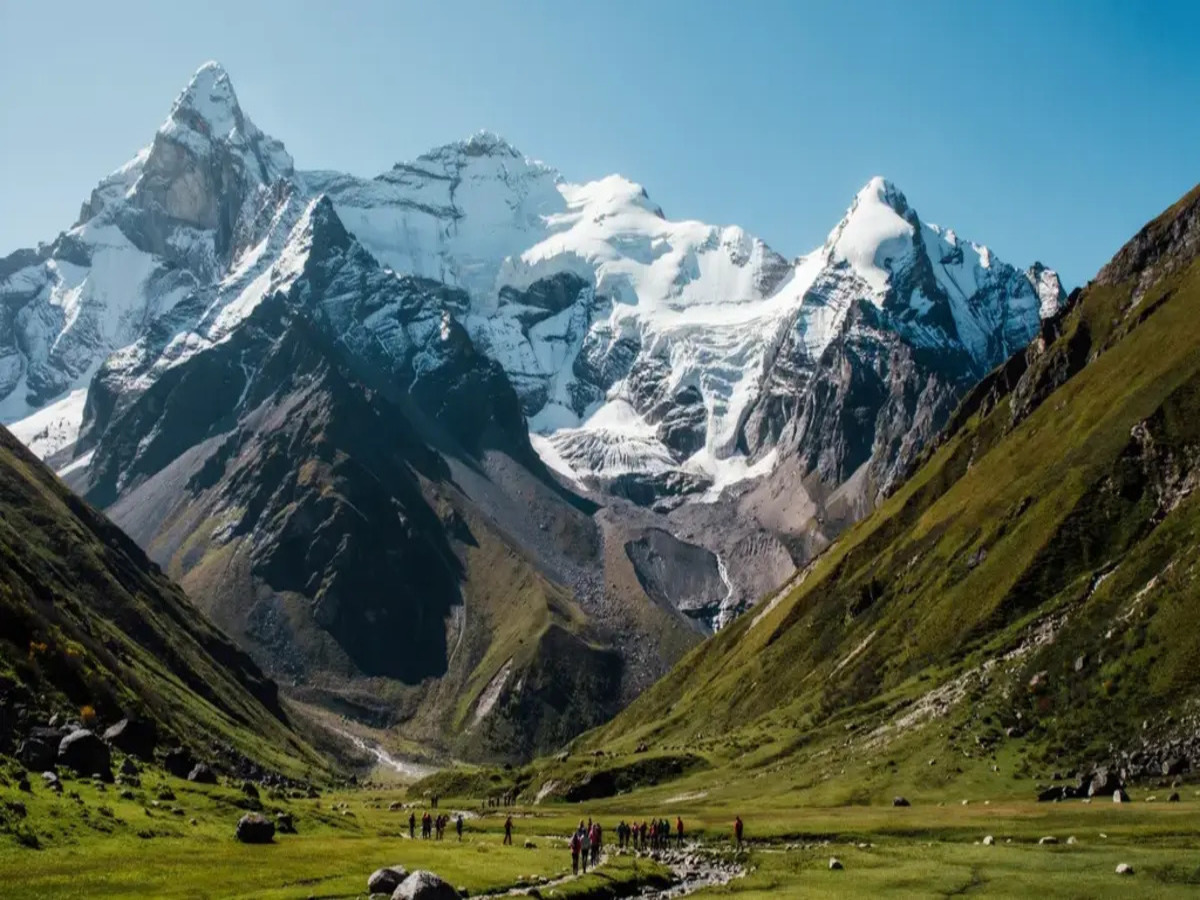
Nepal’s Mustang travel industry is showing signs of recovery after Dashain.
After the Dashain festival, Nepal’s Mustang region is seeing a rise in tourists from local people who are returning to visit the Himalayan area after months of disruption from flood and landslides. One of the most popular religious and mountain destinations for tourists in Nepal, the area has seen an increase in visitors due to improved road access, good weather and an increasing interest in attractive sites. While the total number of tourist visits remains below last year, the increase in visits has shown that the travel industry is showing signs of recovery in this beautiful mountainous region.
Mustang Tourism Experiences Fresh Momentum Following Dashain Festival
Mustang has traditionally been a preferred destination for domestic travellers during Nepal’s major festival holidays. Its impressive Himalayan landscapes, ancient settlements, religious landmarks and distinctive cultural heritage attract visitors seeking both spiritual experiences and mountain adventures.
However, tourism activity was significantly affected between mid-August and mid-October 2026 following floods and landslides that damaged important road connections. Flooding associated with the Bhotekoshi and Kaligandaki rivers disrupted access and discouraged travellers from visiting the region.
Advertisement
Advertisement
The situation began improving immediately after Dashami, the principal day of the Dashain festival. Domestic tourists gradually resumed their journeys as road conditions improved and confidence in mountain travel returned.
The renewed visitor activity has provided encouraging signs for the district’s tourism industry, which depends considerably on festival-related travel.
Advertisement
Advertisement
More Than 3,000 Visitors Enter Mustang During Post-Dashain Travel Recovery
Tourism statistics collected at the Ghansa checkpoint highlight the recent improvement in visitor movements.
According to records maintained by the District Police Office, approximately 1,609 travellers entered Mustang through the Beni–Jomsom–Korala road corridor on 16 October 2026.
Advertisement
Advertisement
The district subsequently recorded around 1,539 arrivals on 17 October, followed by 1,692 visitors on 19 October.
A higher number was registered on the Thursday following Dashain, when 3,033 people entered Mustang. These included 2,108 men and 925 women.
The increase demonstrates renewed interest in travelling to the district after an extended period of uncertainty surrounding mountain road conditions.
Although these daily figures do not establish a complete recovery, they indicate that domestic tourism demand is returning as transport accessibility improves.
Advertisement
Advertisement
The Beni–Jomsom–Korala corridor remains particularly important because it provides access to several of Mustang’s major settlements, religious destinations and scenic attractions.
Floods and Landslides Cause Significant Decline in Tourist Arrivals
Despite the recent improvement, Mustang’s tourism industry has experienced a substantial reduction in visitor numbers during the current fiscal year.
Official records indicate that 69,403 tourists entered the district during the first three months of Nepal’s 2026/27 fiscal year, covering approximately mid-July to mid-October.
During the corresponding period of the previous fiscal year, 118,685 tourists were recorded.
This represents a decline of 49,282 visitors, equivalent to approximately 41.5 per cent.
The figures demonstrate the scale of disruption experienced by the local tourism sector following adverse weather conditions and damage to transport infrastructure.
Advertisement
Advertisement
Road connectivity is particularly important in mountainous destinations such as Mustang, where challenging terrain can make travel vulnerable to landslides, flooding and seasonal weather variations.
Consequently, damage affecting major access routes can significantly influence visitor confidence and travel decisions.
The latest arrival figures suggest that the district is beginning to overcome some of these difficulties.
Monthly Tourism Figures Reveal Changing Travel Patterns in 2026
A comparison of monthly visitor statistics provides a clearer picture of Mustang’s tourism performance.
During Saun, which generally extends from mid-July to mid-August, the district welcomed 30,534 tourists in 2026, compared with 19,000 during the same period in 2025.
This represented an encouraging increase at the beginning of the fiscal year.
Advertisement
Advertisement
However, tourism activity weakened during Bhadau, covering approximately mid-August to mid-September. Visitor arrivals declined to 20,268 from 23,205 during the previous year.
A more pronounced reduction occurred during Asoj, extending approximately from mid-September to mid-October.
During this period, Mustang recorded 18,601 arrivals, compared with 75,599 in the corresponding month of the previous year.
The sharp decline illustrates how weather-related disruption affected tourism during a traditionally important travel period.
For comparison, the district had previously experienced exceptionally strong domestic travel demand during festival holidays, with more than 20,000 tourists reportedly arriving in a single day immediately after Dashain and Tihar last year.
Road Restoration Strengthens Confidence Among Domestic Travellers
Improved road infrastructure has become an important factor supporting Mustang’s gradual tourism revival.
Advertisement
Advertisement
Earlier flooding and landslides had damaged sections of major access roads, creating uncertainty among potential visitors and reducing travel activity.
Repair work has since improved accessibility along affected routes, encouraging domestic travellers to reconsider journeys to the district.
Local tourism businesses have begun observing renewed visitor movement following the restoration of transport connections.
Nevertheless, road conditions remain an important consideration for anyone planning to explore Mustang’s mountainous terrain.
Reliable transport access is essential for connecting the district with other destinations across Nepal and supporting the movement of tourists, vehicles and essential services.
The return of visitors following Dashain highlights the relationship between improved infrastructure and tourism recovery in remote mountain regions.
Advertisement
Advertisement
Police Checkpoints Continue Monitoring Tourist Movements Across Mustang
Tourist arrivals and departures are being monitored through several established checkpoints across the district.
The Ghansa checkpoint serves as an important entry point where authorities record domestic and international travellers entering Mustang.
Additional visitor information is maintained at Chhusang, located in Ward 3 of Baragung Muktikshetra Rural Municipality, within an area subject to certain access restrictions.
Meanwhile, the Let e Police Post records tourist departures from the district.
These monitoring arrangements help authorities assess visitor movements and understand changing tourism trends.
The collected information also provides a useful indication of how travel demand responds to seasonal conditions, infrastructure disruptions and major festival holidays.
Advertisement
Advertisement
Recent checkpoint figures have demonstrated an improvement in visitor arrivals, supporting expectations of a gradual recovery in Mustang’s tourism activity.
Muktinath Temple Continues Attracting Religious Tourists to Mustang
Religious tourism remains an important contributor to Mustang’s visitor economy.
The renowned Muktinath Temple is among the district’s most prominent attractions and continues to draw domestic pilgrims and other visitors.
The sacred destination holds religious significance for both Hindus and Buddhists, making it an important centre for spiritual travel in Nepal.
Many domestic tourists include Muktinath in their itineraries when visiting Mustang during festival holidays.
Beyond its religious importance, the surrounding mountain environment offers visitors striking natural scenery and an opportunity to experience the distinctive landscapes of the Himalayan region.
Advertisement
Advertisement
The return of travellers following Dashain is therefore particularly important for areas that depend on religious tourism.
As access improves, destinations connected to the Muktinath pilgrimage route are positioned to benefit from renewed domestic visitor activity.
Ancient Caves and Himalayan Landscapes Enhance Mustang’s Tourism Appeal
Mustang offers numerous attractions beyond its celebrated religious landmarks.
The district is recognised for its ancient caves, including remarkable human-made cave structures situated in remote mountainous locations.
Historic monasteries, traditional settlements and distinctive architectural features contribute to its cultural identity.
Visitors are also attracted by the region’s dramatic barren mountains, rugged valleys and unusual geological formations.
Advertisement
Advertisement
Unlike many of Nepal’s greener Himalayan destinations, Mustang is characterized by an arid landscape that creates a striking contrast with surrounding mountain ranges.
Its cultural traditions, historical heritage and scenic routes provide varied experiences for travellers interested in exploring Nepal’s mountain regions.
These characteristics have helped maintain Mustang’s popularity among domestic tourists despite the challenges created by recent natural disasters.
Post-Dashain Tourism Recovery Offers Encouraging Outlook for Local Businesses
The gradual return of visitors is a positive development for Mustang’s tourism-dependent economy.
Accommodation establishments, transport providers, local traders and tourism service operators rely on steady visitor movements, particularly during important holiday periods.
Earlier disruptions reduced travel activity and created difficulties for businesses connected to the district’s tourism industry.
Advertisement
Advertisement
The reopening of affected road links and the subsequent increase in domestic tourist arrivals have provided fresh encouragement.
However, current arrival numbers remain considerably below the levels recorded during the previous fiscal year.
Sustained recovery will depend on continued road accessibility, favourable travel conditions and the willingness of tourists to return.
The recent improvement nevertheless suggests that Mustang continues to hold considerable appeal among Nepal’s domestic travellers.
Mustang’s Himalayan Tourism Industry Moves Towards Gradual Revival
Mustang’s post-Dashain tourism recovery reflects the district’s enduring importance as a religious, cultural and scenic destination.
The arrival of more than 3,000 visitors on a single day following the festival demonstrates renewed travel interest after months of disruption.
Advertisement
Advertisement
Although floods and landslides significantly reduced tourist numbers during the opening months of fiscal year 2026/27, improvements in road connectivity have helped restore visitor movement.
Muktinath Temple, ancient cave complexes, historic monasteries and spectacular mountain landscapes remain central to Mustang’s tourism appeal.
Nepal’s Mustang tourism makes a strong comeback after Dashain as repaired roads and improved accessibility bring holiday travellers back to its breathtaking Himalayan attractions, following months of flood and landslide disruptions.
With domestic travellers gradually returning, the district is showing encouraging signs of recovery. Continued improvements in accessibility and stable travel conditions will be important in determining whether this renewed momentum develops into a sustained tourism revival.
Advertisement
