
Qatar Joins UAE, Saudi Arabia, Bahrain, Kuwait, Oman and more in Facing the Largest Travel Insurance Meltdown in History as Escalating Middle East Tensions Force Unthinkable Changes to Tourism

Published
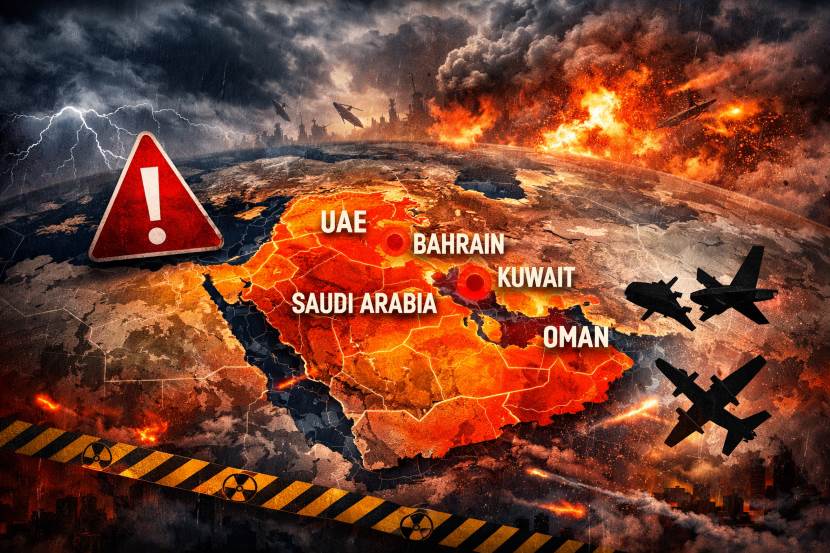 Image generated with Ai
In 2026, the Middle East is experiencing a severe travel crisis. Countries such as Qatar, UAE, Saudi Arabia, Bahrain, Kuwait, and Oman are facing a travel insurance collapse due to escalating geopolitical tensions, particularly between the United States, Israel, and Iran. As a result, travel advisories have been issued, and insurance exclusions have been enforced, putting millions of travelers at risk.
In this article, we will explore the current status of travel in these countries, the government travel advisories, and how the insurance industry is reacting to the geopolitical tensions. We’ll also provide essential information for travelers to navigate these growing risks.
Advertisement
Advertisement
The Growing Tensions: What’s Happening in the Middle East?
The conflict between the US, Israel, and Iran escalated significantly in February 2026, creating a tense geopolitical climate in the Middle East. On February 28, 2026, the situation was officially classified as a “Known Event” by insurers, meaning that standard travel insurance would no longer cover claims related to the war or military action in the region.
Governments worldwide responded by issuing Level 4 travel advisories, urging citizens to avoid non-essential travel to these countries. This marked a significant shift in global tourism, aviation, and insurance markets, affecting millions of travelers worldwide.
Advertisement
Advertisement
The Impact on Travel Insurance: Why Are Policies Being Suspended?
Travel insurance companies base their coverage on risk assessment, and once a region becomes a conflict zone, the risk of large-scale claims—such as medical evacuations, trip cancellations, and flight refunds—becomes too high for insurers to cover. As a result, many insurers have suspended or limited coverage for travelers heading to or through countries involved in the conflict.
The War Exclusion Clause: A Major Hurdle for Travelers
One of the main features of standard travel insurance policies is the “war exclusion clause”, which excludes coverage for war, military action, or terrorist attacks. This means that if you are injured during a missile strike, your flight is canceled due to an airstrike, or your trip is interrupted by military operations, your travel insurance will likely not cover any related claims.
Advertisement
Advertisement
With Qatar, UAE, Saudi Arabia, Bahrain, Kuwait, and Oman all classified as high-risk zones due to the conflict, travelers are left vulnerable to uninsured events if they choose to visit these countries.
Travel Advisory Updates: What Governments Are Saying
UAE: Escalated Risks and Suspended Policies
The United Arab Emirates (UAE), one of the most popular travel destinations in the Middle East, has been placed under Level 4 “Do Not Travel” advisories by several governments, including the UK and the US, due to missile threats, airspace closures, and potential military activity. As a result, travel insurance policies covering the UAE have been suspended by most major providers.
Advertisement
Advertisement
Government Travel Advisory
According to the UK’s Foreign, Commonwealth & Development Office (FCDO), Dubai and Abu Dhabi are facing increased risk of military action and attacks. Travelers are strongly advised to avoid non-essential travel and are reminded that any insurance purchased after February 2026 will not cover war-related claims.
Key Takeaways:
- Flight disruptions due to airspace restrictions and military activity.
- Insurance exclusions for war-related claims in the UAE.
- Travelers advised to stay updated with government advisories.
Qatar: High-Risk Status and Limited Coverage
Qatar has been placed under a Level 3 “Reconsider Travel” advisory by many governments. Despite its neutral stance in the conflict, its proximity to the conflict zones and role as a major transit hub has made it a high-risk country for travelers.
Government Travel Advisory
The US Department of State and UK FCDO have issued similar advisories for Qatar, citing security risks and potential disruptions to air travel. Travelers are advised to avoid non-essential travel, particularly to or from Hamad International Airport in Doha.
Key Takeaways:
- Increased airspace risks and potential flight delays and cancellations.
- Travel insurance exclusions for war-related incidents in Qatar.
- Uncertainty for travelers transiting through Doha.
Saudi Arabia: Affected by Spillover Risks
Saudi Arabia, a key regional player in the Middle East, faces indirect risks from the conflict. While not directly involved, the kingdom is vulnerable to missile strikes and disruptions to air travel due to its proximity to high-risk zones.
Advertisement
Advertisement
Government Travel Advisory
The UK FCDO and US Department of State have raised Saudi Arabia to a Level 3 “Reconsider Travel” advisory. Riyadh, Jeddah, and other major cities are experiencing heightened security measures, and airspace disruptions are a concern.
Key Takeaways:
- Risk of missile strikes and disruptions in major cities.
- Limited insurance coverage for travelers visiting Saudi Arabia.
- Security concerns affecting business and leisure travelers.
Bahrain and Kuwait: High-Risk Zones with Growing Travel Disruptions
Although Bahrain and Kuwait are not directly involved in the conflict, their proximity to affected areas means they are also facing heightened risks. Both countries have been classified as high-risk zones by multiple governments.
Bahrain: Government Travel Advisory
The UK FCDO has issued a Level 3 “Reconsider Travel” advisory for Bahrain, advising against non-essential travel due to the growing instability in the region.
Kuwait: Government Travel Advisory
Similarly, Kuwait has been given a Level 3 advisory, urging travelers to be cautious about traveling to the country due to the uncertainty surrounding the broader Middle East conflict.
Key Takeaways:
- Heightened security risks due to proximity to conflict zones.
- Suspended travel insurance policies for war-related claims in Bahrain and Kuwait.
- Advisories to reconsider travel to both countries.
Oman: Limited Coverage but Caution Still Advised
Oman has avoided direct involvement in the conflict, but its strategic location in the Gulf makes it vulnerable to the indirect effects of regional instability. While not as affected as its neighbors, Oman is still experiencing disruptions in air travel and tourism.
Government Travel Advisory
The UK FCDO has issued a Level 2 “Exercise Caution” advisory for Oman, advising travelers to stay updated on potential security risks.
Advertisement
Advertisement
Key Takeaways:
- Lower risk compared to other countries in the region, but still under advisory.
- Higher insurance premiums for policies covering Oman.
- Flight delays and security concerns still present.
Flight Disruptions and the Impact on Global Travel
The Middle East is a critical hub for global air travel, especially with airlines like Emirates, Qatar Airways, and Saudi Airlines leading international routes. However, with airspace restrictions and flight cancellations becoming increasingly frequent, direct flights are now seeing massive price hikes due to limited availability.
Flight Time Increases
With airspace in Qatar, UAE, and Saudi Arabia closed or restricted, many airlines are being forced to reroute flights. These longer routes are leading to 2-4 hour increases in flight times, creating additional costs for travelers.
Travel Insurance Coverage
Travelers are now faced with the challenge of finding insurance that covers their routes, as non-stop flights become more expensive and airspace closures affect many major airlines.
How Travelers Can Navigate the Current Situation
For travelers planning to visit or transit through Qatar, UAE, Saudi Arabia, Bahrain, Kuwait, and Oman in 2026, it’s important to consider the following points:
1. Confirm Travel Insurance Coverage
Before booking, ensure that your travel insurance covers war-related incidents, particularly if you plan to travel to or through high-risk zones in the Middle East. Standard policies will likely exclude coverage for war-related events.
2. Be Prepared for Flight Rerouting and Cancellations
Flights to and from the Middle East are facing increased delays and cancellations. Be prepared for longer journey times, and check flight statuses regularly.
Advertisement
Advertisement
3. Stay Informed About Government Travel Warnings
Check official government travel advisories regularly for updates on the security situation in these countries. These advisories will help you understand the level of risk associated with your travel destination.
4. Consider Alternative Routes
Consider taking non-stop flights or using alternative airports to avoid the risk of transit through high-risk zones. Non-stop flights may be more expensive, but they offer a safer alternative for those seeking to avoid conflict areas.
Conclusion: Navigating Travel Risks in the Middle East in 2026
The escalating geopolitical tensions in the Middle East have created an uncertain and volatile environment for travelers. Qatar, UAE, Saudi Arabia, Bahrain, Kuwait, and Oman are all experiencing heightened travel risks and insurance exclusions. Travelers need to stay informed about government advisories, understand the risks associated with travel insurance, and reassess their travel plans accordingly.
While Oman remains less impacted, travelers should remain vigilant and prepared for potential disruptions, as the situation continues to evolve. By staying updated on government warnings, confirming insurance coverage, and considering alternative routes, travelers can navigate the growing risks in the region.
Advertisement
