
Madagascar Expands Ecotourism With 21 New Protected Areas

Published
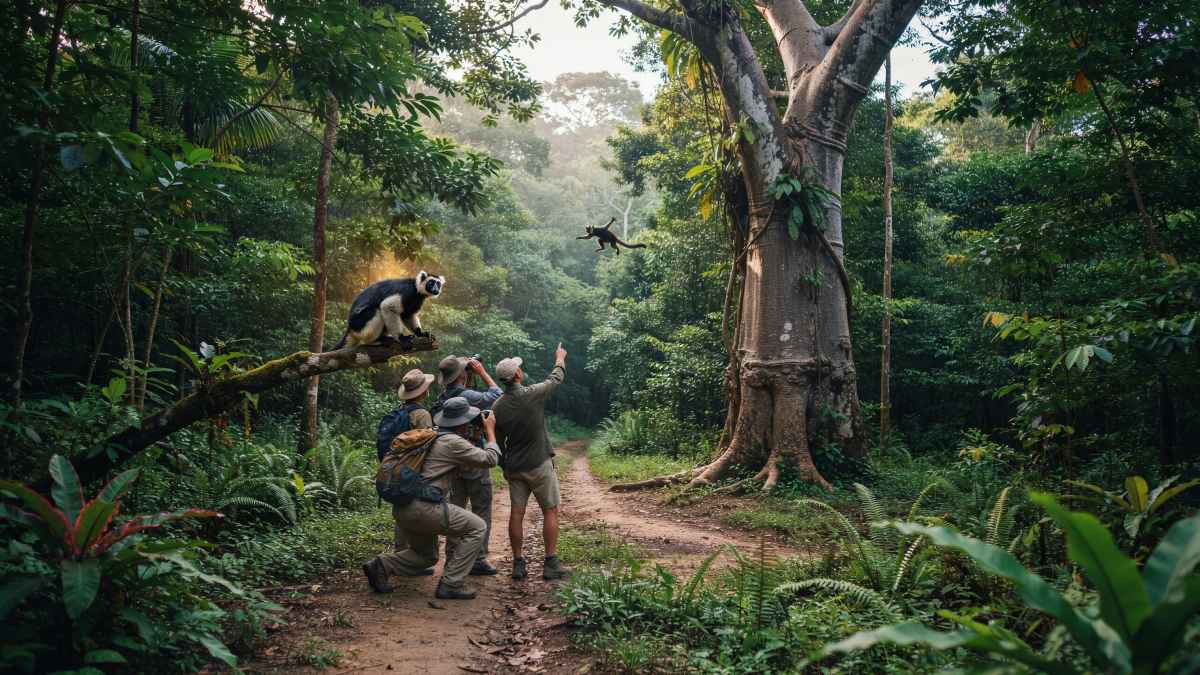
Through the creation of 21 conservation areas amounting to roughly 1.82 million hectares, Madagascar is enlarging its protected area system within the 30×30 program of the country’s national biodiversity program. With this addition, the island nation will be creating chances for community-based eco-tourism, wildlife trails, and field research in regions that were previously off-limits for visitors to the region. With these additions, the entire conservation network of the nation is now close to 9.4 million hectares, while bringing with it a new model of tourism that links the protected areas with organisations run by locals.
New Protected Areas Expand Madagascar Tourism
The newly established areas extend conservation and tourism opportunities into a wider range of Madagascar’s distinctive ecosystems.
Advertisement
Advertisement
The island is internationally recognised for its exceptional biodiversity, with landscapes ranging from dry forests and limestone formations to highland ecosystems and tropical rainforests.
The expansion creates a broader geographic base for nature tourism, allowing travellers to explore environments beyond established destinations.
Advertisement
Advertisement
For visitors, newly accessible conservation areas can provide opportunities for wildlife observation, guided walking and landscape-focused experiences while supporting local organisations involved in protecting these ecosystems.
Tsingy de Namoroka Adds Limestone Adventures
The dry deciduous landscape of Tsingy de Namoroka is among the distinctive environments incorporated into the broader conservation and tourism approach.
Advertisement
Advertisement
Its limestone formations create a dramatic landscape of rock pinnacles, caves and rugged terrain. The environment can support specialised walking routes and guided exploration for visitors interested in geology, wildlife and Madagascar’s dry-forest ecosystems.
Developing controlled visitor experiences in such landscapes also requires careful management because fragile limestone environments can be affected by unmanaged foot traffic.
Advertisement
Advertisement
Community-led guiding provides a way to connect tourism activity with local participation while keeping excursions structured around designated routes.
Anjanaharibe-Sud Highlights Rainforest Biodiversity
The montane rainforests of Anjanaharibe-Sud provide a contrasting experience.
The protected landscape contains dense highland rainforest environments that are suited to wildlife observation and guided nature excursions. Visitors exploring these areas can encounter a very different ecosystem from the dry limestone landscapes in western and northern parts of the country.
The development of field research sites alongside guided trails can also strengthen the connection between tourism and biodiversity research.
Advertisement
Advertisement
For nature-focused travellers, this creates opportunities to combine wildlife experiences with information about forest ecosystems and conservation programmes.
Community Associations Support Ecotourism
Village associations and Malagasy-led organisations are central to the emerging tourism model.
Their involvement can create local roles in guiding, conservation work and visitor management while keeping tourism services connected to communities surrounding protected landscapes.
Community participation also provides opportunities for local businesses to develop accommodation, food services and other visitor activities around new tourism corridors.
This can be particularly important in remote areas where access to conventional tourism infrastructure is limited.
Rangers Become Part of the Visitor Economy
The expansion of protected areas creates additional roles for local conservation workers.
Advertisement
Advertisement
Rangers can contribute to wildlife protection, trail management and visitor safety, while local guides can provide interpretation of biodiversity, landscapes and cultural connections.
Community-run seed nurseries also form part of the wider conservation economy, supporting the restoration and protection of native vegetation.
For travellers, these activities can become part of the wider ecotourism experience, providing insight into how protected ecosystems are managed rather than simply presenting wildlife as a sightseeing attraction.
New Corridors Beyond Established Circuits
Madagascar’s established wildlife tourism circuits include destinations such as Andasibe-Mantadia, which has long attracted visitors seeking rainforest experiences and iconic wildlife.
The expansion of protected areas provides an opportunity to diversify this tourism geography.
New regional preserves can create alternative destinations for travellers who want to explore less-visited landscapes while spreading tourism activity across a wider area.
Advertisement
Advertisement
Developing these destinations also gives local communities opportunities to participate in tourism without relying exclusively on visitor flows to established national parks.
Madagascar Builds Conservation-Led Travel
30×30 is connecting the concept of biodiversity with an overall tourism network which is facilitated by guided access, research and community participation. The new protected areas include various ecosystems with marked differences in terms of their landscapes and wildlife and enable Madagascar to provide specialised nature activities within its different regions. In terms of the benefits for tourists, it provides the potential to access various ecosystems like dry limestone and montane rainforests, among others. As the process is being implemented in 2026, the process of expansion of 21 protected areas is not only expanding the geographical area of Madagascar tourism but also creating new routes for wildlife guides, conservationists, rangers and community-based ventures.
Advertisement
