

American Airlines Brings an Initiative Aiming to Eliminate Involuntary Passenger Bumping, Taking Along Delta, Southwest and More

Published
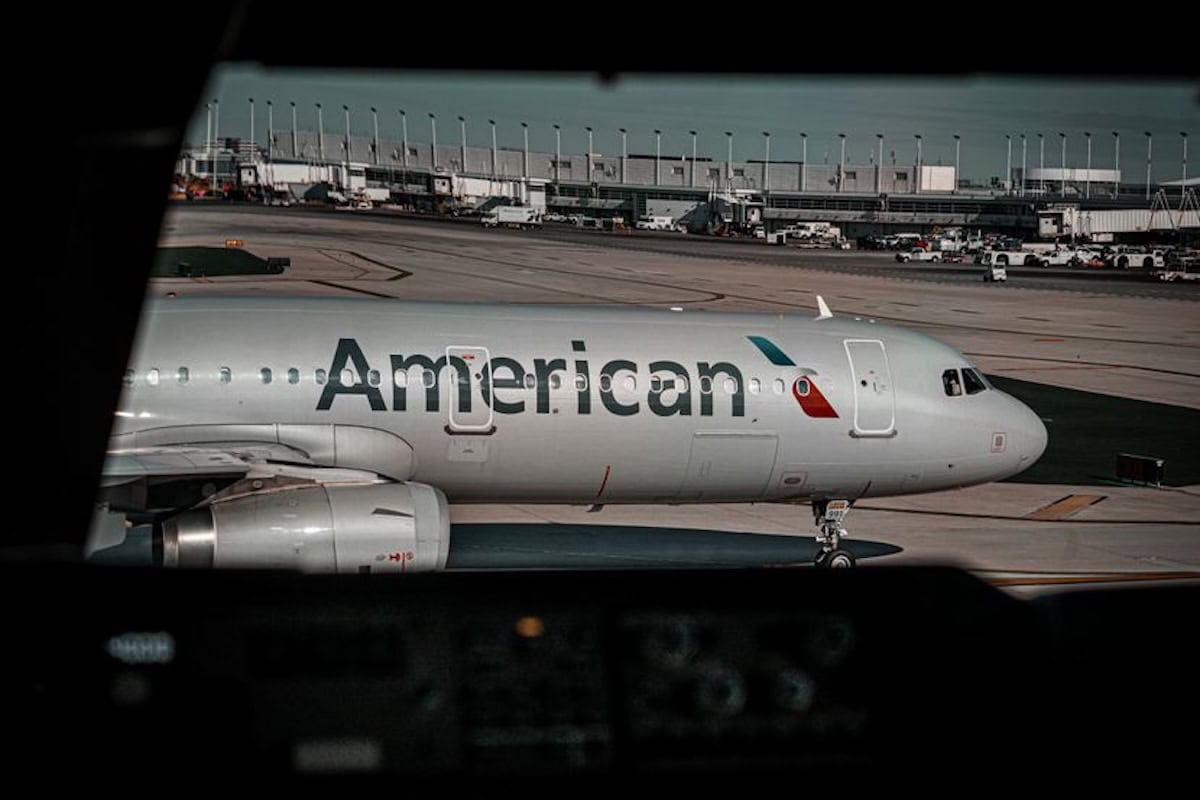
American Airlines is the latest important US carrier to announce plans to eliminate involuntary passenger bumping on oversold flights. Its October 2026 initiative focuses on finding volunteers earlier, offering more attractive compensation and arranging alternative flights before travelers are forced to surrender confirmed seats. The initiative brings Americans closer to the volunteer-first practices used by Delta Air Lines, United Airlines and Southwest Airlines. However, these carriers have not all made the same commitment. While Delta has demonstrated extremely low involuntary denied-boarding rates, American is introducing a specific operational directive designed to prevent passengers from losing confirmed seats against their wishes. The development could reshape airline overbooking practices across the United States.
US Airlines Move Towards Ending Involuntary Passenger Bumping
| US airline | Position in 2026 | Volunteer incentives and rebooking strategy | Can involuntary bumping still occur? |
|---|---|---|---|
| American Airlines | Newly announced objective to eliminate involuntary bumping | Earlier volunteer requests, app and email outreach, higher compensation offers, immediate rebooking | Target is elimination; implementation is still being assessed |
| Delta Air Lines | Very low historical bumping levels; volunteer-first approach | Delta Choice gift cards, voluntary seat surrender, alternative Delta flights | Yes, permitted by its published contract |
| United Airlines | Extremely low involuntary bumping levels | Voluntary compensation arrangements and alternative travel | Yes, not established as an absolute prohibition |
| Southwest Airlines | Advance volunteer programme; aims to minimise denied boarding | Transferable LUV Vouchers and alternative flight selection | Yes, explicitly allowed under its policy |
| JetBlue Airways | Seeks volunteers to resolve oversales | Negotiated voluntary arrangements and alternative travel under its policies | Yes |
| Alaska Airlines | Uses volunteer-based oversales management | Voluntary compensation and alternative transportation | Yes |
| Hawaiian Airlines | Volunteer-first procedures under applicable oversales rules | Compensation arrangements and rebooking | Yes, subject to applicable policies |
| Allegiant Air | Very low observed bumping, with no universal elimination guarantee established | Volunteer arrangements when necessary | Possible |
| Frontier Airlines | Continues to report involuntary denied boarding | Requests volunteers before applying denied-boarding procedures | Yes |
Why Is American Airlines Moving to End Involuntary Passenger Bumping in 2026?
American Airlines is making a significant change to how it manages oversold flights, responding to the operational difficulties and customer dissatisfaction associated with involuntary denied boarding. Under its newly reported initiative, airport employees must make additional efforts to find passengers willing to surrender their seats voluntarily rather than force ticketed customers onto later departures.
The airline’s policy shift follows a period in which American recorded substantially more involuntary denied boardings than several major competitors. Federal aviation consumer data showed that American’s network involuntarily denied boarding to 5,247 passengers during the first six months of 2026.
The company is now prioritizing voluntary agreements, improved communication and more flexible compensation arrangements. Airport staff may seek management authorization for higher offers when insufficient passengers volunteer.
Advertisement
Advertisement
The objective is straightforward: resolve oversold flights through negotiated alternatives while protecting confirmed reservations and limiting the inconvenience experienced by travelers.
The effectiveness of this approach will depend on airport execution, volunteer participation and the availability of replacement flights.
Advertisement
Advertisement
How Does American Airlines’ New Policy Change the Experience for Travelers?
American Airlines’ new approach places greater responsibility on airport teams to resolve oversales before boarding is completed. Rather than immediately applying involuntary denied-boarding procedures, employees are expected to continue encouraging volunteers and explore additional compensation arrangements.
One important feature involves contacting potential volunteers earlier. Passengers may receive communications through digital channels or hear announcements at the departure gate, allowing them to consider alternative travel arrangements before boarding begins.
The airline’s reported procedures also provide flexibility for management to approve higher compensation when necessary. This can help resolve difficult situations involving limited seating availability and competing passenger priorities.
Another notable development involves rebooking. American may confirm volunteers on subsequent departures under specific arrangements, even when those flights initially appear full.
Although this approach could occasionally extend departure preparations, it is intended to avoid forcing customers off oversold flights.
For travelers, the policy introduces greater opportunities to negotiate compensation and evaluate alternative departures before accepting changes to their itineraries.
Advertisement
Advertisement
Which Major US Airlines Are Moving Toward Voluntary Passenger Bumping?
Several major American carriers already rely heavily on voluntary compensation to manage oversold flights. However, their policies, operational records and commitments differ.
Delta Air Lines has demonstrated particularly strong performance in minimizing involuntary denied boarding. Its volunteer compensation arrangements allow passengers to accept alternative flights in exchange for incentives.
United Airlines has also substantially reduced involuntary bumping through improvements introduced after earlier customer-service controversies. Southwest Airlines uses advance volunteer requests and compensation vouchers to resolve overbooking situations.
JetBlue Airways and Alaska Airlines similarly request volunteers before implementing involuntary denied-boarding procedures where necessary.
American’s newly reported initiative stands out because it establishes a specific operational objective to avoid involuntary bumping.
Importantly, seeking volunteers is already a requirement under federal overbooking rules. The broader industry shift concerns how effectively airlines secure voluntary agreements before resorting to involuntary measures.
Advertisement
Advertisement
The differences become clearer when comparing individual airline practices, compensation arrangements and official denied-boarding statistics.
How Do American, Delta, United and Other US Airlines Compare?
The following table summarizes the principal airlines, their approaches to oversold flights and their reported involuntary denied-boarding performance during January–June 2026.
| US airline | Approach to oversold flights | Voluntary compensation and rebooking | Involuntary bumps, Jan–June 2026 |
|---|---|---|---|
| American Airlines | Newly introduced objective to eliminate involuntary bumping | Higher negotiated offers, earlier volunteer requests and alternative flights | 5,247 |
| Delta Air Lines | Extensive volunteer-first procedures | Gift cards, negotiated incentives and alternative flights | 0 |
| United Airlines | Volunteer-focused overbooking management | Negotiated compensation and rebooking arrangements | 107 |
| Southwest Airlines | Advance volunteer requests | Southwest LUV Vouchers and alternative departures | 122 |
| JetBlue Airways | Requests volunteers before involuntary denied boarding | Compensation agreements and rebooking | 122 |
| Alaska Airlines network | Volunteer-first oversales management | Travel compensation and alternative transportation | 232 |
| Allegiant Air | Low reported involuntary bumping | Voluntary arrangements when needed | 0 |
| Frontier Airlines | Volunteer requests followed by boarding-priority rules if necessary | Compensation and alternative transportation | 2,475 |
Source: US Department of Transportation, January–June 2026 marketing-carrier oversales statistics. Figures include relevant network operations where applicable. A zero reported bumping count does not necessarily mean an airline has adopted a permanent zero-bumping guarantee.
Why Has Delta Air Lines Become a Benchmark for Avoiding Involuntary Bumping?
Delta Air Lines has established one of the strongest operational records among major US carriers for managing oversold flights without involuntarily denying boarding to confirmed passengers.
According to Department of Transportation data, Delta’s network recorded 57,077 voluntary denied boardings during January–June 2026 but no involuntary denied boardings during the same period.
These figures illustrate how extensive volunteer participation can help airlines resolve seating shortages without requiring unwilling travelers to surrender their reservations.
Advertisement
Advertisement
Delta offers voluntary compensation arrangements, including its Delta Choice gift card program, alongside alternative travel options.
Its approach allows passengers who have flexible schedules to consider compensation in exchange for taking a different flight.
However, Delta’s published contract of carriage continues to provide procedures for involuntary denied boarding when volunteers are insufficient.
Therefore, its strong statistical performance should not be confused with an unconditional promise that involuntary bumping can never occur.
Nevertheless, Delta’s results demonstrate how effective volunteer management can protect customers while allowing airlines to manage overbooking risks.
How Have United Airlines and Southwest Airlines Reduced Passenger Bumping?
United Airlines and Southwest Airlines have both adopted practices designed to minimize involuntary denied boarding through voluntary compensation and improved passenger communication.
Advertisement
Advertisement
United introduced significant changes to its customer-service approach following the widely publicized removal of a passenger from a flight in 2017. Subsequent measures emphasized voluntary seat surrender, increased compensation flexibility and more careful management of oversold departures.
During January–June 2026, United’s network recorded only 107 involuntary denied boardings, indicating a relatively low level of forced passenger displacement.
Southwest Airlines also relies on advance volunteer requests and alternative travel arrangements. Eligible volunteers may receive transferable Southwest LUV Vouchers under applicable program conditions.
The carrier recorded 122 involuntary denied boardings during the first half of 2026.
Both airlines demonstrate that voluntary arrangements can substantially limit disruption.
However, neither carrier’s published procedures establish an absolute prohibition against involuntary denied boarding in every circumstance.
Advertisement
Advertisement
Their models remain focused on prevention, operational flexibility and compensation rather than a universal guarantee.
What Compensation Can Travelers Receive for Volunteering to Give Up Their Seats?
Passengers who voluntarily surrender seats on oversold flights may receive different forms of compensation depending on the airline, flight availability and negotiated agreement.
Some carriers offer travel vouchers that can be applied toward future reservations. Others may provide gift cards, monetary incentives or alternative arrangements designed to make changing flights more attractive.
The value of voluntary compensation can increase when airlines struggle to secure enough passengers willing to change their travel plans.
Unlike mandatory compensation for eligible involuntary denied boarding, voluntary compensation is negotiated between the traveler and the airline.
Passengers should therefore understand the terms before accepting an offer.
Advertisement
Advertisement
Important considerations include the replacement flight’s departure time, connection requirements, travel-credit expiration dates and any restrictions on transferring compensation.
Travelers should also confirm whether the airline will provide meals, accommodation or other assistance if the alternative flight requires an extended wait.
A well-negotiated voluntary agreement can provide meaningful benefits, particularly for travelers with flexible schedules.
What Are the Federal Compensation Rules for Involuntarily Bumped Passengers?
US Department of Transportation regulations establish financial protections for eligible passengers who are involuntarily denied boarding because an airline has oversold a flight.
Airlines must first request volunteers before applying involuntary denied-boarding procedures. If insufficient passengers volunteer, carriers may select passengers according to their published boarding-priority policies.
Compensation depends on the itinerary, ticket price and delay in reaching the destination.
Advertisement
Advertisement
For qualifying domestic flights, passengers arriving more than one hour but no more than two hours late may receive 200% of their one-way fare, subject to the applicable federal limit.
Longer delays can trigger compensation equal to 400% of the one-way fare, again subject to a federal maximum.
International flights departing the United States operate under different delay thresholds.
Federal compensation rules also contain exclusions and eligibility requirements. For example, certain aircraft substitutions and safety-related seating restrictions may be treated differently.
These protections remain important even as airlines introduce stronger voluntary compensation programs.
How Could Ending Involuntary Bumping Affect Airline Operations and Flight Schedules?
Eliminating involuntary passenger bumping presents both operational opportunities and practical challenges for US airlines.
Advertisement
Advertisement
Overbooking is a longstanding revenue-management practice. Airlines sometimes sell more reservations than available seats because historical data indicates that some travelers will cancel, change their plans or fail to arrive.
When more passengers appear than expected, however, the airline must resolve the capacity shortage.
Increasing voluntary compensation can help carriers avoid involuntary denied boarding, but it may also raise operational expenses.
Airport employees could require additional time to negotiate agreements, identify suitable replacement flights and coordinate accommodation for affected travelers.
American’s reported policy recognizes that securing volunteers may occasionally be more important than closing boarding immediately.
For passengers, the advantage is reduced uncertainty about whether their confirmed seats will be honored.
Advertisement
Advertisement
For airlines, the challenge is balancing customer protection, operational punctuality, compensation expenditure and network efficiency without transferring overbooking problems to subsequent departures.
What Do the Latest 2026 Passenger Bumping Statistics Reveal?
The first six months of 2026 highlight substantial differences in how effectively American airlines handled oversold departures.
According to federal data, the reporting carriers collectively recorded 146,736 voluntary denied boardings and 8,975 involuntary denied boardings.
American Airlines accounted for 5,247 involuntary cases, while Frontier Airlines recorded 2,475. Spirit Airlines reported 670 during the same period.
By comparison, Delta Air Lines and Allegiant Air recorded zero involuntary denied boardings.
The data indicates that airline size alone does not determine bumping performance. Operational procedures, volunteer incentives, network characteristics and overbooking decisions all influence outcomes.
Advertisement
Advertisement
American had already made measurable progress before introducing its latest directive.
During April–June 2026, its network reported 1,953 involuntary denied boardings, compared with 4,257 during the corresponding quarter of 2025.
That represents a reduction of approximately 54%.
Additional reports indicate that American achieved further improvement during the third quarter, strengthening the rationale for a more ambitious zero-bumping objective.
Will American Airlines’ Decision Transform Passenger Rights Across the United States?
American Airlines’ initiative could influence how other US carriers manage oversold flights, particularly if the company demonstrates that involuntary bumping can be avoided without creating extensive operational delays.
The airline’s new procedures emphasize earlier communication, stronger financial incentives and more reliable alternative travel arrangements.
Advertisement
Advertisement
These measures address some of the most frustrating aspects of overbooking, including unexpected itinerary changes and limited opportunities to negotiate compensation.
Nevertheless, American’s initiative remains an airline-specific operational commitment rather than a nationwide change to federal aviation law.
Other carriers retain their individual contracts of carriage and established denied-boarding procedures.
The next important test will be whether American consistently records zero involuntary denied boardings in future federal reporting periods.
If successful, the approach may encourage competitors to strengthen volunteer compensation and improve overbooking management.
For travelers, the wider development represents a gradual movement toward greater certainty, better communication and more choice when confirmed flights become oversold.
Advertisement
Advertisement
Conclusion: What Does the Shift Toward Voluntary Bumping Mean for US Air Travelers?
The move to reduce involuntary passenger bumping marks an important development in American aviation customer service. American Airlines’ newly reported zero-bumping directive places renewed emphasis on securing volunteers, negotiating compensation and providing suitable alternative flights.
Delta Air Lines has already demonstrated that extensive voluntary agreements can coincide with zero reported involuntary denied boardings over a substantial reporting period. United Airlines and Southwest Airlines have also maintained relatively low involuntary bumping rates.
However, these achievements do not mean that every major US airline has formally abolished involuntary denied boarding.
The central change is the growing importance of voluntary passenger cooperation in resolving oversold departures.
If American successfully implements its policy, travelers could experience fewer forced itinerary changes and greater flexibility when disruptions arise.
For the US aviation industry, the emerging priority is clear: resolve overbooking through passenger choice and appropriate compensation wherever possible, rather than requiring unwilling customers to surrender their seats.
Advertisement
Advertisement
American Airlines is the principal new entrant in the US zero-involuntary-bumping movement in 2026. Delta has already demonstrated zero reported involuntary bumps across its network in the first half of the year, while United, Southwest, JetBlue, Alaska and other carriers continue using volunteer compensation arrangements without establishing an equivalent absolute commitment.
The most important development is American’s decision to prioritise negotiated compensation and confirmed alternative travel rather than simply applying mandatory denied-boarding payments. Its effectiveness will depend on maintaining sufficient volunteer participation without creating significant onward disruption.
For passengers, the change offers the prospect of stronger booking reliability, more bargaining power and clearer rebooking choices. However, travellers should distinguish an airline’s operational ambition from its legally enforceable carriage conditions.
The growing movement toward voluntary flight changes could transform how American travelers experience oversold departures. American Airlines’ new zero-bumping initiative addresses longstanding concerns about unexpected boarding denials, disrupted itineraries, and inadequate passenger choice. Delta’s strong performance and the low involuntary bumping rates recorded by United and Southwest demonstrate the benefits of proactive volunteer programs. However, not every carrier guarantees protection against forced seat surrender. Success depends on stronger compensation offers, timely communication, and reliable alternative flights. If these measures deliver consistent results, passengers could gain greater booking confidence while airlines strengthen customer satisfaction and reduce damaging overbooking disputes nationwide.
[Image: American Airlines]
Advertisement
