
Malaysia’s Penang Hotel Industry Faces Tough New Challenge As Airbnb Boom Changes Traveller Choices

Published
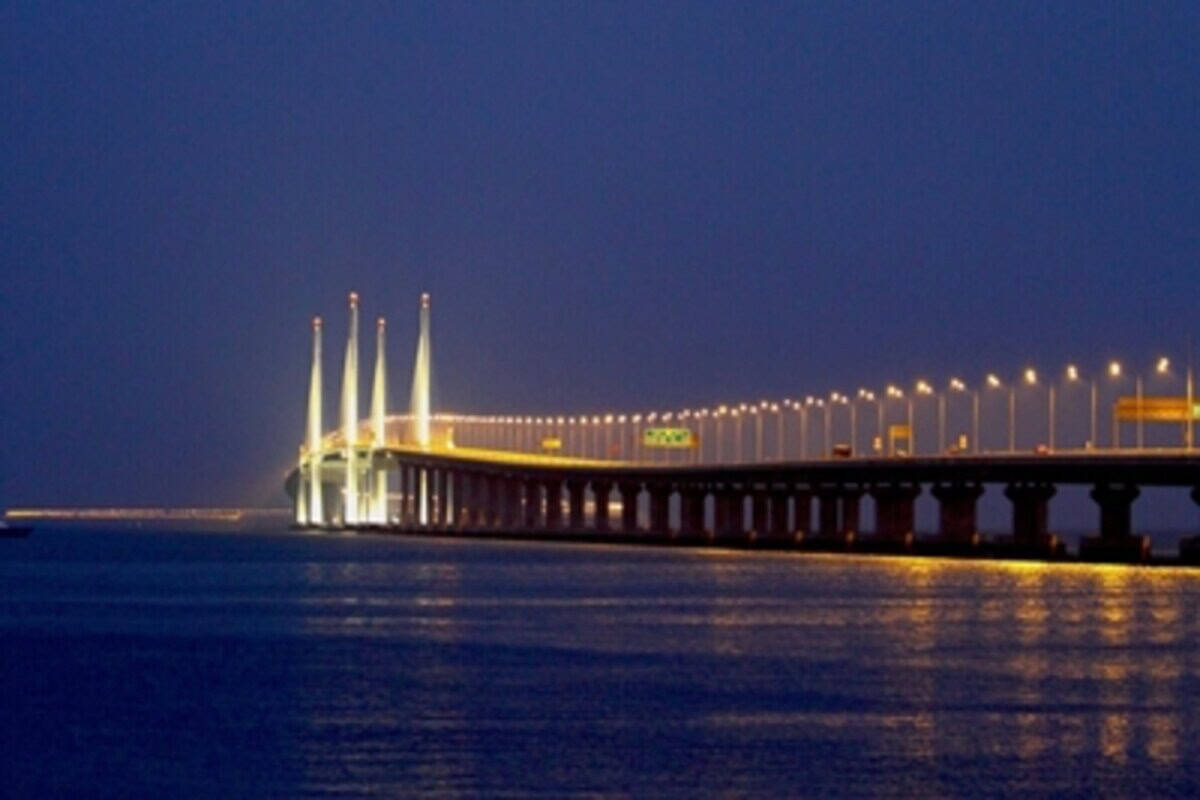
Penang hotels struggle against Airbnb and other short term rentals.Penang’s licensed hotels are concerned about the proliferation of short-term rentals and unregulated homestays, which has led them to summon the Government to reinstate balance and control in the tourism industry.
The growing popularity of platforms offering private accommodation has changed the way many travellers plan their holidays. While these stays provide visitors with more choices and flexible options, hotel operators argue that unlicensed properties may create challenges for safety standards, fair competition and tourism revenue distribution.
Advertisement
Advertisement
The issue has become a major concern among hospitality businesses as Penang continues to recover its tourism momentum after the difficult pandemic years. Hotel operators say that despite increasing visitor arrivals and improved international connectivity, hotel occupancy levels and earnings have not grown at the same pace.
Short-Term Rentals Create New Challenges For Penang’s Hotel Industry
The expansion of Airbnb-style accommodation and private homestays has become one of the biggest concerns for Penang’s licensed hotel operators. Many businesses believe that all accommodation providers serving tourists should follow similar rules, including safety requirements, licensing procedures and operational standards.
Advertisement
Advertisement
Hotels are required to comply with regulations covering areas such as fire protection, security systems and public safety measures. Industry representatives argue that private short-term rentals should also meet comparable requirements to ensure visitors receive safe and reliable accommodation.
The hospitality sector has acknowledged that many younger travellers increasingly prefer independent travel experiences and often choose private stays because of flexibility, location options and pricing. However, operators believe that proper regulation is needed to ensure that the growth of alternative accommodation does not negatively affect licensed businesses.
Advertisement
Advertisement
A more unified framework covering hotels, homestays and short-term rental properties has been highlighted as a possible solution. Such regulations could help create equal operating conditions while protecting travellers and maintaining tourism standards.
Hotel Occupancy Recovery Remains Below Expectations Despite Visitor Growth
Penang has recorded improvements in tourism activity following the global travel recovery, but hotel businesses say the benefits have not fully reached the traditional accommodation sector.
Advertisement
Advertisement
Licensed hotels have reported average occupancy levels of around 60% in recent months. Industry operators consider this a positive improvement compared with the challenging pandemic period, but they believe there remains significant potential for stronger growth.
The mismatch between tourist arrival numbers and hotel performance has raised questions about how tourism spending is distributed across the destination.
Industry observers have noted that airport arrival figures alone may not provide a complete picture of tourism benefits. Some international travellers arriving in Penang may continue their journeys to other destinations, meaning their economic contribution to local accommodation providers may be limited.
This has increased calls for more detailed tourism data collection to better understand visitor movements, spending patterns and the actual impact of arrivals on different parts of the tourism economy.
Advertisement
Advertisement
Penang Reviews Tourism Growth As Accommodation Supply Expands
Penang’s hospitality market has experienced significant growth in recent years, with a wide range of accommodation choices available for visitors.
The destination currently has hundreds of registered hotels and commercial accommodation properties listed across major booking platforms. These include luxury beachfront resorts, international-standard hotels, boutique properties and budget-friendly accommodation options.
Together, these properties provide more than twenty thousand rooms available for travellers throughout the year.
However, some industry participants believe that the rapid increase in accommodation supply has created stronger competition among operators. With more hotels and private rental options entering the market, businesses are focusing on maintaining occupancy levels and attracting higher-value travellers.
The challenge for Penang is balancing accommodation growth with sustainable tourism demand. Industry leaders believe that better regulation and tourism planning will be important to ensure that investment in hospitality continues to generate economic benefits.
Tourism Authorities Highlight Penang’s Growing Luxury Hospitality Appeal
While facing challenges from short-term rental growth, Penang’s luxury hospitality sector has also achieved international recognition.
Advertisement
Advertisement
Several high-end properties in the destination have received global attention through the MICHELIN Guide’s hotel recognition system, which highlights outstanding hospitality experiences.
The recognition places Penang among destinations gaining visibility for premium accommodation offerings. The awards reflect the island’s efforts to strengthen its position as a destination offering heritage experiences, cultural attractions, culinary tourism and luxury stays.
The achievement also demonstrates the diversity of Penang’s tourism industry, where traditional hotels, boutique properties and heritage accommodations continue to attract international visitors.
Tourism authorities have indicated that global recognition for local hotels can help enhance Penang’s reputation among international travellers and encourage further investment in quality tourism services.
Stronger Tourism Regulations Seen As Key To Long-Term Growth
The debate surrounding short-term rentals highlights a wider challenge faced by many global destinations. As travel preferences change, destinations must balance innovation in accommodation choices with the need to protect established tourism businesses and visitor safety.
For Penang, the focus remains on creating a tourism ecosystem where hotels, private accommodation providers and travellers can benefit from sustainable growth.
Advertisement
Advertisement
Industry stakeholders believe that clear regulations, stronger monitoring systems and improved tourism data will help address concerns while supporting future expansion.
The destination continues to attract visitors through its heritage attractions, food culture, beaches and growing international connectivity. However, ensuring that tourism growth translates into stronger benefits for the wider hospitality sector remains a key priority.
As Penang moves forward, policymakers and industry players are expected to continue discussions on how to manage short-term rentals while maintaining fair competition and protecting the long-term strength of the tourism industry.
Advertisement
