
United Kingdom Unites With Portugal and Others as Mozambique’s $420M Aviation Plan Targets Tourism Growth

Published
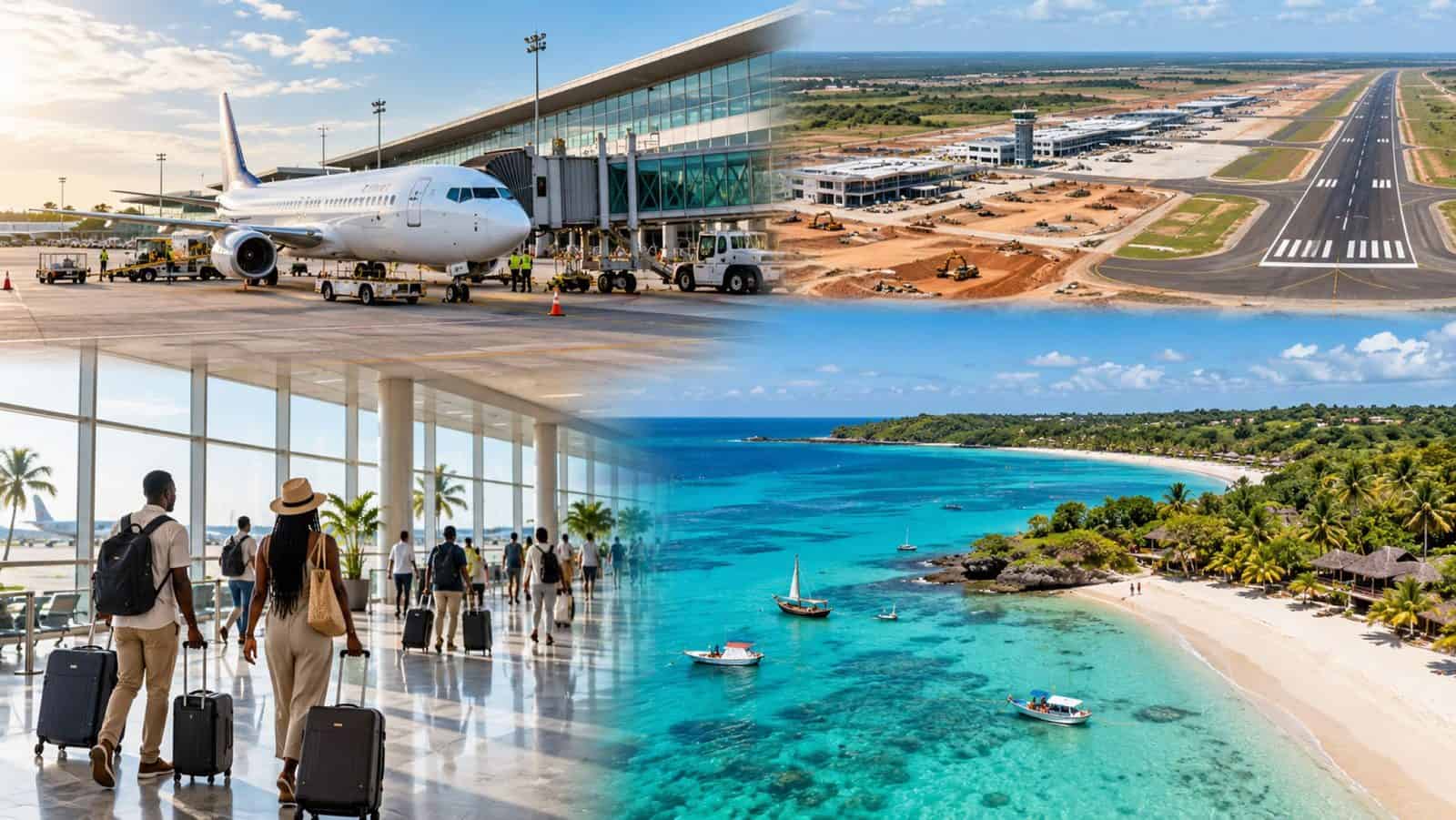
Mozambique’s aviation development strategy could improve tourism access for travellers from the United Kingdom, Portugal, Zimbabwe, Germany and the United States by strengthening airport infrastructure and regional connectivity. The country’s long-term aviation plan targets tourism growth alongside mining, energy and logistics development. Pemba and Vilankulo are among the airports identified for capacity improvements, potentially supporting international holidaymakers and regional tourism businesses. Although these countries represent relevant international travel markets, no new aviation partnership involving them has been announced. The programme instead establishes a national framework for more reliable air transport, improved operational safety and stronger tourism connections across Mozambique.
Mozambique’s US$420 Million Aviation Master Plan Opens New Opportunities for International Tourism
Mozambique is pursuing long-term aviation modernisation through its Civil Aviation Master Plan 2026–2045, formally approved under Resolution No. 52/2026 and published in the Government Gazette on 18 June 2026. The programme addresses airport infrastructure, aviation safety, airspace management and connectivity. At the October 2026 CAVAME-d aviation and mining event in Nacala, the Civil Aviation Institute outlined a revised investment estimate of US$420 million, compared with an earlier estimate of US$710 million. The updated programme covers nine intervention areas and 141 activities. Its tourism relevance centres on improving airport capacity and supporting stronger connections between coastal destinations and international travel markets.
Advertisement
Advertisement
- The Civil Aviation Master Plan covers 2026–2045.
- Planned investment has been revised to US$420 million.
- Nine intervention areas encompass 141 activities.
- Airport modernisation, aviation safety and connectivity are priorities.
- Tourism destinations could benefit from stronger airport infrastructure.
| Aviation development indicator | Confirmed or reported details |
|---|---|
| Official approval | Resolution No. 52/2026 |
| Publication | 18 June 2026 |
| Revised investment estimate | US$420 million |
| Previous estimate | US$710 million |
| Primary focus | Infrastructure, connectivity, safety and logistics |
| Current financing position | Funding arrangements under development |
Pemba and Vilankulo Airport Upgrades Could Strengthen Mozambique’s Coastal Tourism Industry
Pemba and Vilankulo occupy important positions in Mozambique’s aviation network because both serve coastal regions with tourism and commercial activity. Pemba provides access to Cabo Delgado, while Vilankulo is a major gateway to the Bazaruto Archipelago in Inhambane Province. The aviation master plan identifies capacity improvements at both airports, although detailed construction programmes and individual investment allocations have not been confirmed. Better facilities could improve airport operations, assist commercial aviation and make regional tourism travel more accessible. However, airport development alone cannot guarantee additional flights, lower airfares or increased visitor arrivals. Those outcomes also depend on airline decisions and destination conditions.
- Pemba Airport is identified for capacity improvements.
- Vilankulo Airport is another designated priority.
- Vilankulo serves access to the Bazaruto Archipelago.
- Airport development could benefit tourism and industrial logistics.
- No confirmed completion dates or new routes have been announced.
| Airport | Province | Tourism significance | Development position |
|---|---|---|---|
| Pemba Airport | Cabo Delgado | Northern coastal access | Capacity upgrades identified |
| Vilankulo Airport | Inhambane | Bazaruto Archipelago access | Capacity upgrades identified |
| Maputo Airport | Maputo | National capital gateway | No specific allocation established in the announcement |
| Nacala Airport | Nampula | Regional aviation and commercial gateway | Hosted the aviation and mining industry event |
United Kingdom Travellers Could Benefit From Better Mozambique Air Connectivity and Tourism Infrastructure
The United Kingdom is a relevant long-haul market for Mozambique’s coastal holidays, wildlife tourism and specialist travel experiences. For British holidaymakers, improved domestic airport infrastructure could eventually make it easier to connect international arrivals with regional tourism destinations. Vilankulo is particularly relevant to visitors planning Bazaruto Archipelago holidays. Travellers must nevertheless consider entry requirements and safety guidance. The UK Foreign, Commonwealth and Development Office requires British passport holders to obtain electronic travel authorisation before qualifying short tourism or business visits. It also advises against travel to substantial parts of Cabo Delgado, with restrictions applying around Pemba. The aviation plan does not announce a new UK–Mozambique air service.
Advertisement
Advertisement
- Improved regional aviation could support coastal holiday itineraries.
- Vilankulo provides access to the Bazaruto tourism region.
- British passport holders require advance electronic travel authorisation.
- Travellers should review official safety guidance before booking.
- No new direct UK–Mozambique route has been confirmed under the plan.
| UK travel factor | Current position |
|---|---|
| Relevant destination | Vilankulo and Bazaruto |
| Entry requirement | Electronic Travel Authorisation |
| Application timing | At least five working days before travel |
| Pemba travel | UK government advises against all but essential travel to the surrounding area |
| Aviation programme benefit | Potential future improvement in regional connections |
Portugal’s Historic Connections With Mozambique Create Opportunities for Cultural and Leisure Tourism
Portugal occupies a distinctive position in Mozambique’s international travel landscape through historic, linguistic, cultural and business connections. These relationships provide a foundation for travel involving family visits, commercial activity, cultural exploration and leisure holidays. Mozambique’s aviation development programme could eventually strengthen the domestic connections used by visitors travelling beyond Maputo. Improved access to Vilankulo would be relevant for Portuguese travellers exploring the country’s Indian Ocean coastline. However, no bilateral aviation agreement between Portugal and Mozambique has been announced as part of the revised investment programme. The principal development remains Mozambique’s own infrastructure modernisation, rather than a coordinated investment commitment involving Portugal.
- Portuguese is the official language of Mozambique.
- Cultural and commercial connections support travel between the countries.
- Regional airport improvements could benefit multi-destination holidays.
- Vilankulo offers access to Mozambique’s coastal tourism sector.
- No new Portugal-specific route or investment commitment has been announced.
| Tourism factor | Relevance to Portuguese travellers |
|---|---|
| Language | Portuguese |
| Cultural travel | Historic and cultural connections |
| Business tourism | Commercial travel and logistics |
| Coastal tourism | Vilankulo and Inhambane |
| Aviation development | Potential improvement in domestic connectivity |
Zimbabwe’s Regional Tourism Market Could Benefit From Mozambique’s Expanding Aviation Network
Zimbabwe represents an important geographical market for Mozambique’s regional tourism ambitions. The neighbouring countries share land borders, providing opportunities for cross-border holidays, business travel and journeys combining inland and coastal destinations. Aviation improvements could complement existing road connections by offering greater flexibility where appropriate commercial services are available. Mozambique’s coastal tourism attractions are particularly relevant to visitors seeking beach holidays alongside other Southern African experiences. However, the revised aviation master plan does not identify a dedicated Zimbabwe–Mozambique route, additional flight frequencies or a bilateral tourism programme. Any future growth in regional air travel would depend on airline participation, passenger demand and operational conditions.
Advertisement
Advertisement
- Zimbabwe and Mozambique share a land border.
- Regional tourism can combine coastal and inland attractions.
- Aviation modernisation could complement cross-border road travel.
- Stronger airport infrastructure may support business and leisure journeys.
- No new Zimbabwe-specific airline service is confirmed.
| Regional tourism factor | Mozambique–Zimbabwe relevance |
|---|---|
| Geographical relationship | Neighbouring Southern African countries |
| Travel segments | Leisure, family visits and business |
| Tourism opportunities | Coastal and multi-destination travel |
| Aviation infrastructure | Potential long-term connectivity improvements |
| Confirmed new routes | None announced under the master plan |
Germany’s Travel Market Could Find Greater Potential in Mozambique’s Nature and Island Tourism
Germany is relevant to Mozambique’s longer-term international tourism ambitions because the destination offers coastal landscapes, island experiences and nature-based holidays. Improved airport infrastructure could eventually strengthen access for German travellers connecting through international gateways and onward regional services. Vilankulo is especially significant because of its proximity to the Bazaruto Archipelago. However, German government travel guidance highlights important operational concerns, including unreliable domestic flight connections and regional security restrictions. Its October 2026 advisory also identifies continuing transport and infrastructure difficulties following flooding. These conditions demonstrate why airport investment, airline reliability and traveller safety must develop together to support sustainable international tourism.
- Mozambique offers coastal and nature-based holiday opportunities.
- Vilankulo is an important regional tourism access point.
- Domestic flight reliability remains a concern in German travel guidance.
- Security restrictions affect parts of northern Mozambique.
- Airport modernisation could improve future travel conditions if implemented successfully.
| German traveller consideration | Verified context |
|---|---|
| Tourism focus | Nature and coastal holidays |
| Potential destination | Bazaruto Archipelago |
| Domestic aviation | Reliability concerns identified |
| Security | Partial travel warnings apply |
| Latest reviewed guidance | 13 October 2026 |
United States Tourism Could Gain From Stronger Mozambique Airport Infrastructure and Travel Access
The United States is a relevant long-haul market for Mozambique’s tourism development, particularly for travellers interested in coastal resorts, wildlife experiences and specialist itineraries. Improvements in regional airport capacity could eventually make onward travel more practical after international arrivals. However, American travellers must distinguish the potential benefits of aviation investment from existing travel risks. The US Department of State’s August 2026 advisory assigns Mozambique an overall Level 2 classification, while designating Cabo Delgado and certain other northern areas as Level 4 destinations. Consequently, Pemba’s proposed airport improvements should not be interpreted as evidence that surrounding security risks have disappeared.
Advertisement
Advertisement
- Mozambique offers long-haul leisure and nature-tourism opportunities.
- Improved regional airports could support more flexible itineraries.
- The US government classifies Mozambique overall at Level 2.
- Cabo Delgado remains subject to a Level 4 advisory.
- No new US–Mozambique flight connection is announced under the programme.
| US tourism consideration | Current position |
|---|---|
| Relevant travel market | Long-haul international tourism |
| Potential visitor interest | Island resorts, nature and coastal holidays |
| Nationwide advisory | Level 2 — Exercise increased caution |
| Cabo Delgado advisory | Level 4 — Do not travel |
| Aviation programme | Potential future regional infrastructure improvements |
Mozambique’s 2026 Tourism Outlook Highlights the Importance of International Visitor Access
Mozambique’s latest annual tourism statistics provide an important reference point for assessing the proposed aviation investments. The National Statistics Institute published its Tourism Statistics 2025 report on 24 August 2026. The report establishes the most recent annual statistical context identified for this assessment. It should not, however, be treated as a complete account of visitor performance during 2026. Likewise, the United Kingdom, Portugal, Zimbabwe, Germany and United States should not automatically be described as Mozambique’s five largest tourism source markets. Without a verified country-level breakdown for the current period, that ranking would be misleading.
- Mozambique’s latest identified annual tourism report covers 2025.
- The report was published in August 2026.
- Accommodation statistics and international border arrivals are different measures.
- Country-specific visitor rankings require corresponding official data.
- Future airport investment should be assessed against measurable tourism performance.
| Tourism indicator | Latest verified reference |
|---|---|
| National statistics publisher | Instituto Nacional de Estatística |
| Annual tourism report | Tourism Statistics 2025 |
| Publication date | 24 August 2026 |
| Complete full-year 2026 data | Not yet available |
| Five-country source-market ranking | Not verified |
| Aviation investment’s tourism effect | Not yet measurable |
African Development Bank Financing and Aviation Reforms Shape Mozambique’s Investment Outlook
The financial structure of Mozambique’s aviation modernisation remains an important part of its development prospects. The revised US$420 million estimate reflects a narrower investment requirement than the earlier US$710 million proposal. According to the October aviation-sector announcement, the Civil Aviation Institute is working with the African Development Bank on a funding framework intended to support implementation. Separately, the institute has submitted a proposal for special tax treatment of civil aviation through a free economic zone arrangement. Neither financing completion nor approval of the proposed tax exemptions has been established. Both developments could influence project delivery, private investment and the commercial attractiveness of Mozambique’s aviation sector.
- The revised investment estimate is US$420 million.
- The previous estimate was US$710 million.
- The reduction amounts to approximately 40.8%.
- Funding discussions involve the African Development Bank.
- Special aviation tax treatment remains a proposal.
| Financing factor | Position |
|---|---|
| Original investment estimate | US$710 million |
| Revised estimate | US$420 million |
| Difference | US$290 million |
| Financing institution | African Development Bank, in discussions |
| Proposed incentive | Aviation free economic zone |
| Tax exemption status | Not approved in the cited announcement |
Mozambique’s Aviation Expansion Could Transform Tourist Access, Airline Operations and Regional Connectivity
The tourism impact of Mozambique’s aviation development plan will depend on how effectively infrastructure improvements translate into dependable services. For travellers, the strongest potential benefits include improved airport capacity, smoother domestic connections and easier access to established coastal destinations. Airlines could benefit from safer operational environments and better airport facilities, although commercial expansion remains uncertain. The programme also links aviation development to mining, energy and logistics, creating opportunities for shared infrastructure serving multiple economic sectors. Mozambique is preparing for an International Civil Aviation Organization safety oversight audit in 2027, making regulatory performance another important consideration for long-term aviation development.
- Improved regional airport facilities could support holiday access.
- Stronger domestic connections may benefit international itineraries.
- Aviation safety reforms could support long-term operational reliability.
- Airport investment may benefit tourism, mining and logistics together.
- Security, financing and commercial airline decisions remain critical constraints.
| Tourism sector | Potential long-term impact | Essential condition |
|---|---|---|
| International tourism | Easier regional destination access | Reliable onward flights |
| Airlines | Better airport operating environment | Completed infrastructure |
| Hotels and resorts | Improved accessibility | Stable visitor demand |
| Travel operators | More flexible regional itineraries | Dependable connections |
| Business travel | Stronger industrial access | Commercial route viability |
| Tourism investment | Improved destination competitiveness | Funding and project delivery |
Conclusion
Mozambique’s aviation development plan presents an opportunity to strengthen tourism growth through improved airports, safer operations and better regional connectivity. Travellers from the United Kingdom, Portugal, Zimbabwe, Germany and the United States could benefit from more accessible coastal destinations as infrastructure modernisation progresses. However, these countries have not formed a joint aviation alliance under the programme. Mozambique remains responsible for implementing its national development strategy. The future of tourism growth will depend on reliable airline services, investment delivery and traveller confidence. Stronger connections between aviation, hospitality and regional economic development could ultimately improve Mozambique’s position in international tourism.
Advertisement
