
Costa Rica Tourism Keeps Moving As Magnitude 5.6 Earthquake Shakes Pacific Coast Near Tamarindo

Published
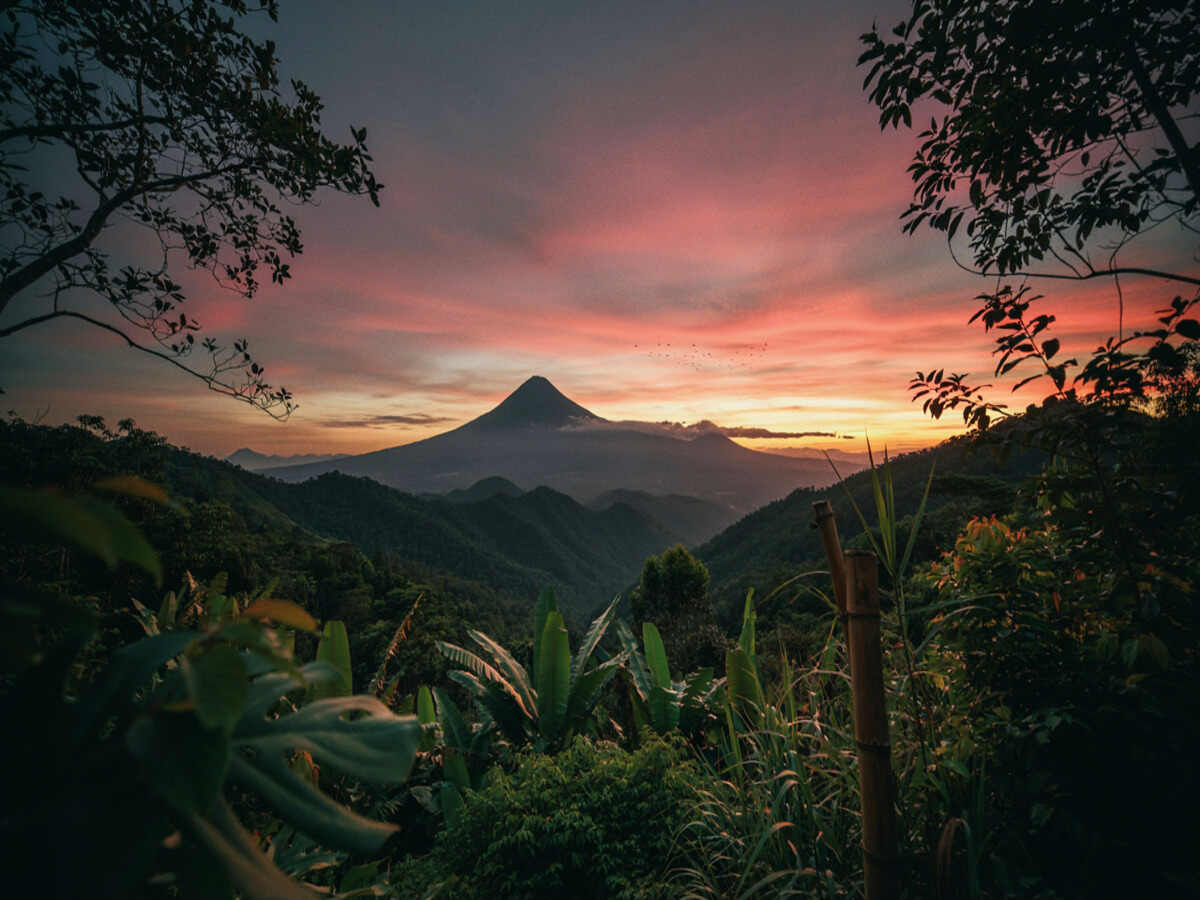
Image generated with Ai
Costa Rica tourism remains steady after an offshore earthquake shakes Guanacaste near Tamarindo. Costa Rica tourism remained resilient after a sizeable offshore earthquake shook the Pacific side of the country on 30 September 2026. The tremor occurred southwest of Tamarindo in Guanacaste, one of Costa Rica’s best-known coastal tourism regions. Different seismic agencies produced slightly different magnitude, depth and location calculations, ranging from magnitude 5.4 to 5.7. The earthquake was felt across Guanacaste and the Central Valley. However, the offshore location limited its immediate impact on populated tourism centres. Early information indicated no major damage or injuries, keeping the focus on seismic monitoring rather than widespread disruption.
Offshore Earthquake Brings Sudden Seismic Jolt to Costa Rica
The earthquake struck at approximately 21:55 UTC, corresponding to 3:55 p.m. local time in Costa Rica, on Wednesday, 30 September.
Advertisement
Advertisement
Its epicentre was located in the Pacific Ocean southwest of Tamarindo, placing the seismic activity offshore rather than directly underneath the popular beach destination.
Initial international estimates placed the earthquake roughly 84 to 94 kilometres southwest of Tamarindo. Costa Rica’s Red Sismológica Nacional later produced a reviewed location farther offshore, at approximately 103 kilometres southwest of Tamarindo.
Advertisement
Advertisement
That distinction matters for travellers. Tamarindo itself was not identified as the earthquake’s epicentre. Instead, the resort town served as a useful geographical reference point for an offshore event occurring west of Costa Rica’s Pacific coastline.
Why Did Earthquake Magnitudes Range From 5.4 to 5.7?
Different seismic organisations produced slightly different measurements as they analysed the earthquake.
Advertisement
Advertisement
The European-Mediterranean Seismological Centre initially reported magnitude 5.7 and a depth of approximately 15 kilometres.
USGS-derived information subsequently listed the earthquake at magnitude 5.6, at coordinates close to 9.8084°N and 86.4364°W. That assessment placed the event at approximately 10 kilometres deep and around 84 kilometres southwest of Tamarindo.
Advertisement
Advertisement
Costa Rica’s Red Sismológica Nacional provided a reviewed domestic assessment of magnitude 5.4 Mw. Its analysis located the earthquake 103 kilometres southwest of Tamarindo at a depth of 17 kilometres.
Such differences do not necessarily indicate conflicting events. Seismic agencies operate different monitoring networks and analytical systems. Preliminary estimates can also change as more seismic data become available.
For travellers, the central fact remains consistent: a moderate offshore earthquake occurred southwest of Costa Rica’s Guanacaste coast.
Guanacaste and Central Valley Residents Feel the Shaking
Despite occurring offshore, the earthquake generated shaking across parts of Costa Rica.
Advertisement
Advertisement
The reviewed Costa Rican seismic assessment confirmed that the earthquake was felt in Guanacaste and the Central Valley.
Guanacaste is particularly important to Costa Rica’s tourism economy. Its Pacific coastline combines beaches, surfing communities, resorts, nature experiences and established tourism centres.
Tamarindo is among its internationally recognised destinations. Other important places across the wider province include Liberia, Santa Cruz, Nicoya and numerous Pacific beach communities.
The Central Valley, meanwhile, contains much of Costa Rica’s population and includes the wider metropolitan region around San José.
The geographical spread of felt reports illustrates how seismic waves from an offshore event can travel significant distances even when the earthquake does not cause major surface damage.
What Caused the Earthquake Near Tamarindo?
Costa Rica sits within a highly active geological region shaped by interacting tectonic plates.
Advertisement
Advertisement
The country’s Red Sismológica Nacional attributed this particular earthquake to faulting within the crust of the Cocos Plate, describing the process as local or shallow faulting.
Costa Rica’s Pacific side lies close to a major tectonic boundary. Offshore, the Cocos Plate moves beneath the Caribbean Plate along the Middle America Trench.
This geological setting makes earthquakes a natural part of Costa Rica’s seismic environment.
The 30 September event was relatively shallow. International assessments placed its depth at around 10 to 15 kilometres, while Costa Rica’s reviewed calculation put it at 17 kilometres.
Shallow earthquakes can often be felt clearly because their seismic energy originates relatively close to the Earth’s surface. However, magnitude, distance, geology, building construction and the precise location of an epicentre all influence potential impacts.
Tamarindo Remains Central to the Tourism Story
Tamarindo’s proximity makes tourism an important dimension of the earthquake story.
Advertisement
Advertisement
The Guanacaste destination attracts travellers for Pacific beaches, surfing, coastal landscapes and outdoor experiences. An earthquake occurring nearby can therefore immediately raise questions about visitor safety and tourism operations.
In this case, however, the epicentre was well offshore southwest of Tamarindo.
That considerably changes the tourism context. It means travellers should not interpret reports describing the earthquake as being “near Tamarindo” as evidence that the earthquake struck directly underneath the resort.
The information available after the event did not establish widespread damage to Tamarindo’s tourism infrastructure.
There was similarly no confirmed information in the material reviewed for this report indicating major closures affecting hotels, beaches, attractions or other tourism facilities because of the earthquake.
No Major Damage or Injuries Emerged in Early Information
One of the most important elements for Costa Rica tourism was the absence of reports pointing to a major disaster.
Advertisement
Advertisement
Despite the earthquake being clearly felt, early information indicated no significant damage or injuries associated with the event.
Its offshore position and moderate magnitude helped limit the immediate consequences compared with a similarly sized shallow earthquake occurring directly beneath a densely populated area.
Authorities and seismic organisations nevertheless continued monitoring conditions.
Earthquakes can be followed by additional seismic activity as stresses within the surrounding crust adjust. Smaller tremors may therefore occur after the principal event.
For residents and international visitors, following official Costa Rican emergency and seismic information remains the most reliable approach if further shaking occurs.
Aftershock Activity Keeps Monitoring in Focus
A smaller earthquake was recorded in the broader offshore region following the main tremor.
Advertisement
Advertisement
The subsequent event was reported at approximately magnitude 3.5 southwest of Liberia and occurred roughly half an hour after the principal earthquake. Secondary monitoring information characterised it as a probable aftershock.
An aftershock of that size does not automatically signal that a larger earthquake will follow. Aftershocks are common following moderate and strong seismic events.
Their frequency normally declines over time, although earthquakes remain inherently difficult to predict precisely.
For Costa Rica’s tourism sector, continued seismic monitoring is therefore more relevant than speculation.
Travellers staying along the Pacific coast should remain familiar with their accommodation’s emergency procedures and follow instructions issued by local authorities should further notable seismic activity occur.
Key Details of the Costa Rica Earthquake
| Detail | Information |
|---|---|
| Date | 30 September 2026 |
| Time | Around 21:55 UTC / 3:55 p.m. local |
| Location | Offshore southwest of Tamarindo, Guanacaste |
| USGS-derived magnitude | 5.6 |
| EMSC initial magnitude | 5.7 |
| Costa Rica RSN reviewed magnitude | 5.4 Mw |
| USGS-derived depth | Around 10 km |
| EMSC depth | Around 15 km |
| RSN reviewed depth | 17 km |
| RSN distance from Tamarindo | 103 km southwest |
| Areas where RSN confirmed it was felt | Guanacaste and Central Valley |
| RSN identified origin | Faulting in Cocos Plate crust |
| Initial major damage | None reported |
| Initial injuries | None reported |
Costa Rica Tourism Shows Resilience After Seismic Scare
The earthquake created a noticeable seismic event, but the available evidence did not point towards a major tourism emergency.
Advertisement
Advertisement
That distinction is crucial.
Costa Rica is internationally associated with beaches, biodiversity, national parks, volcanoes, rainforests and adventure tourism. Guanacaste forms an important part of that visitor economy, making any significant natural event near Tamarindo relevant to international travellers.
Yet an earthquake being felt across a destination does not automatically mean its tourism industry has been seriously disrupted.
In this case, the offshore epicentre kept the strongest seismic activity away from major populated tourism areas.
Visitors should nevertheless remain alert to official updates, particularly regarding aftershocks and any local safety instructions.
Costa Rica Tourism Moves Forward While Authorities Stay Alert
Costa Rica tourism continues to be resilient despite the offshore earthquake that struck Guanacaste close to Tamarindo without any substantial damages recorded.
There was a sudden scare for tourists in Costa Rica following the offshore earthquake that struck the area of Guanacaste as well as the Central Valley on 30 September. However, there were some indications at first that the tourism sector remained resilient. Estimates from different institutions indicated a range between 5.4 and 5.7, yet all agreed that the earthquake occurred offshore southwest of Tamarindo. According to the Costa Rica review of the incident, the faulting in the crust of the Cocos Plate is what triggered the earthquake. More importantly, no damage or injury was reported so far.
Advertisement
