
US and Canada Cross-Border Battle Heats Up as Tourists Chooses Southeast Asian Beach Destinations Over Florida and California in 2026

Published
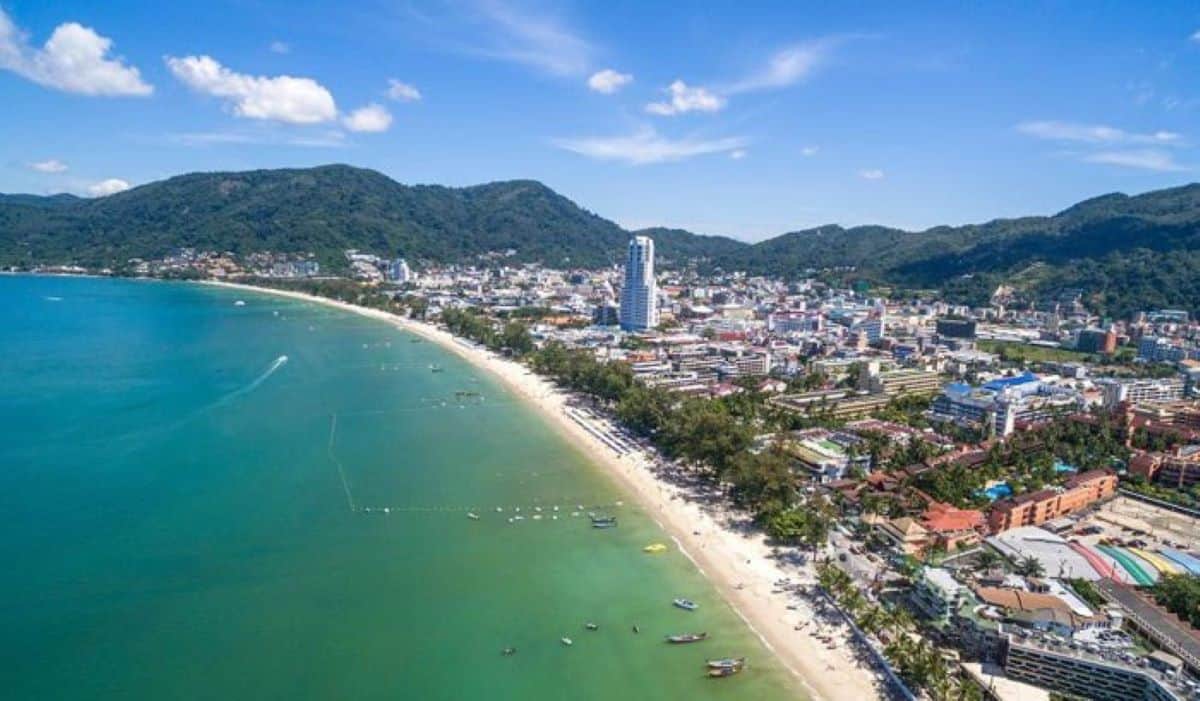
US and Canada cross-border tourism competition heats up in 2026 as more Canadian tourists choose Southeast Asian beach destinations alongside traditional holidays in Florida and California, driven by growing demand for diverse long-haul experiences, warm-weather escapes and expanding international travel options.
Canadian travel patterns are undergoing a notable realignment in 2026. The United States continues to attract vastly more Canadian travellers than any individual overseas destination, but cross-border demand remains under pressure compared with earlier levels. At the same time, several Southeast Asian destinations are recording growing Canadian arrivals.
The latest destination data show 141,065 Canadian arrivals in Vietnam, up 25.3%, while Thailand received 134,231, up 2.8%. Singapore recorded 94,538 Canadian visitors, up 2.4%, and Malaysia attracted 60,844, up 8.1%.
The contrast does not mean Southeast Asia has replaced the United States. Instead, it points towards a diversification of Canadian outbound travel as destinations farther from home compete for travellers who traditionally formed a crucial market for US tourism.
Advertisement
Advertisement
Canadian Travel to Southeast Asia Gains Ground
The four Southeast Asian destinations in the available data collectively attracted 431,678 Canadian visitors during their respective reported 2026 periods. Vietnam delivered the strongest percentage increase, while Malaysia also posted substantial growth.
Advertisement
Advertisement
| Destination | Canadian Visitors | Share of Destination Arrivals | Growth |
|---|---|---|---|
| Vietnam | 141,065 | 0.9% | +25.3% |
| Thailand | 134,231 | 1.0% | +2.8% |
| Singapore | 94,538 | — | +2.4% |
| Malaysia | 60,844 | 0.3% | +8.1% |
| Combined | 431,678 | — | — |
The figures reveal a broader shift towards overseas travel rather than a simple replacement of the United States. Asian destinations are increasingly competing for Canadian travellers with established North American holiday markets.
Vietnam Emerges as the Breakout Southeast Asian Market
Vietnam stands out most clearly. The country received 141,065 Canadian visitors, representing 0.9% of its international market and a striking 25.3% increase from the comparison period.
That makes Vietnam the fastest-growing destination for Canadian travellers among the four Southeast Asian markets examined. Its tourism offering stretches from major cities and cultural attractions to tropical islands, beaches, food tourism and coastal resorts.
The absolute volume remains far below Canadian travel to the United States, but the growth rate is significant. Vietnam demonstrates how quickly a long-haul Asian destination can expand its Canadian market as travellers become increasingly willing to explore alternatives outside North America.
Thailand Turns Canadian Demand Into a Wider Tourism Opportunity
Thailand attracted 134,231 Canadian visitors, up 2.8%, making it the second-largest of the four Southeast Asian destinations in the supplied figures.
Advertisement
Advertisement
Thailand’s tourism appeal extends from Bangkok and Chiang Mai to internationally recognised beach destinations and islands. Its established tourism infrastructure gives Canadian travellers options ranging from affordable holidays and wellness experiences to luxury resorts, cultural tourism and extended winter stays.
For Canadians seeking warm-weather alternatives, Thailand represents a fundamentally different proposition from Florida or California. The journey is considerably longer, but travellers gain access to an extensive tourism network across one of Asia’s most established international destinations.
Malaysia Records Strong 8.1% Canadian Growth
Malaysia may have the smallest Canadian visitor volume among the four markets, but its trajectory is notable. The country received 60,844 Canadian visitors, representing 0.3% of its international arrivals and an 8.1% increase.
Malaysia combines major cities, tropical islands, beaches, rainforest experiences, food tourism and cultural attractions. This allows it to compete for travellers looking for more than a conventional beach holiday.
The increase is particularly relevant as Canadian outbound travel becomes more geographically diverse. Malaysia does not need to approach US visitor volumes to benefit. Sustained expansion from Canada can strengthen its long-haul visitor mix and generate additional demand for hotels, airlines, restaurants and tourism businesses.
Advertisement
Advertisement
Singapore Maintains Growth From the Canadian Market
Singapore recorded 94,538 Canadian arrivals, representing growth of 2.4%. Although its increase trails Vietnam and Malaysia, the city-state remains an important part of the Southeast Asian travel network.
Singapore operates differently from conventional beach destinations. It is both a major tourism destination and a gateway connecting international travellers with destinations throughout Southeast Asia.
Canadian visitors can therefore incorporate Singapore into wider multi-country journeys involving Thailand, Malaysia, Vietnam and other regional destinations. Its positive growth provides another indication that Canadian outbound demand is spreading across Asia at a time when traditional US tourism markets are working to rebuild cross-border traffic.
US Remains the Giant but Canadian Traffic Faces Pressure
The United States remains overwhelmingly larger than Southeast Asia in absolute Canadian travel volume. The supplied US data show 6,253,572 Canadian-originating visitors, although that figure represents a 5.9% decline.
| Destination | Canadian Visitor Indicator | Change |
|---|---|---|
| United States | 6,253,572 | -5.9% |
| Vietnam | 141,065 | +25.3% |
| Thailand | 134,231 | +2.8% |
| Singapore | 94,538 | +2.4% |
| Malaysia | 60,844 | +8.1% |
The scale difference is enormous. The US figure is more than fourteen times the combined total of the four Southeast Asian destinations shown here.
Advertisement
Advertisement
Yet the direction of movement tells a different story. All four Asian destinations recorded growth from Canada, while the supplied US figure shows contraction.
Florida Feels the Loss of Canadian Travellers
Florida provides one of the clearest examples of pressure on a major US tourism economy. The state welcomed approximately 1.68 million Canadian visitors during the first half of 2026, down about 13.9% from the comparable period of 2025.
Florida’s total visitor count stood at approximately 73.5 million during H1 2026, down around 1.4%.
Canada has historically been particularly important to Florida because of winter travel, snowbird stays, family holidays and strong air connectivity. A decline from such an established market therefore carries implications extending beyond visitor counts to hotels, vacation rentals, restaurants, attractions and retail spending.
Florida retains enormous advantages in proximity and accessibility, but its Canadian market is facing stronger competition for holiday spending.
Advertisement
Advertisement
California Also Faces Weaker Canadian Demand
California is confronting its own Canadian tourism challenge. Canada has traditionally ranked among the state’s largest international visitor markets, making changes in Canadian demand particularly important for destinations including Los Angeles, San Francisco, San Diego and California’s wider coastal tourism economy.
Canadian visitation to California fell sharply during the earlier downturn, while the weakness continued into 2026. In July, the state recorded 69,522 Canadian air arrivals, representing a 2.3% year-on-year decline.
The decrease was considerably smaller than Florida’s H1 contraction, but it nevertheless shows that California has not escaped the broader pressure affecting Canadian-US tourism flows.
Southeast Asia Offers Canadians a Different Kind of Beach Escape
The emerging competition is particularly interesting in the warm-weather holiday segment.
Florida and California have traditionally offered Canadians relatively accessible sunshine, beaches, resorts and urban attractions. Southeast Asia is now competing with a very different package.
Advertisement
Advertisement
Thailand offers internationally established islands and resort destinations. Vietnam combines a rapidly developing coastal tourism sector with cities and cultural experiences. Malaysia adds tropical islands and multicultural attractions, while Singapore can function as the gateway for a wider regional itinerary.
For Canadian travellers willing to undertake longer flights, Southeast Asia can therefore transform a beach holiday into a broader multi-destination journey.
Canadian Travellers Are Spreading Their Spending Further Abroad
The shift is important because tourism competition is ultimately about more than passenger numbers. When travellers choose a different country, their spending on accommodation, restaurants, attractions, transport and shopping moves with them.
A Canadian traveller choosing Vietnam or Thailand instead of a US holiday contributes tourism expenditure to Asian airlines, hotels, resorts, tour operators and local businesses.
That does not mean every additional Canadian arrival in Southeast Asia represents a traveller lost by Florida or California. The available data cannot establish that direct substitution.
Advertisement
Advertisement
What they do show is that Southeast Asian destinations are expanding their Canadian markets while parts of the US tourism sector continue to experience weaker Canadian demand.
Vietnam Leads a New Asian Growth Story
Among the four Asian destinations, Vietnam is clearly the standout.
Its 25.3% increase is more than three times Malaysia’s 8.1% growth and substantially above Thailand’s 2.8% and Singapore’s 2.4% increases.
| Growth Rank | Destination | Canadian Visitors | Growth |
|---|---|---|---|
| 1 | Vietnam | 141,065 | +25.3% |
| 2 | Malaysia | 60,844 | +8.1% |
| 3 | Thailand | 134,231 | +2.8% |
| 4 | Singapore | 94,538 | +2.4% |
Vietnam also attracted the largest Canadian visitor volume among the four, narrowly ahead of Thailand.
This combination of scale and rapid expansion makes Vietnam particularly important when examining how Canadian long-haul travel patterns are evolving.
Advertisement
Advertisement
Thailand Remains a Major Competitor for Winter-Sun Travellers
Thailand’s growth is more moderate, but its 134,231 Canadian visitors demonstrate the size of its established market.
For winter-weary Canadians, Thailand competes on many of the same fundamental motivations that historically drive travel to Florida: warm weather, beaches, resorts and escape from the Canadian winter.
However, Thailand adds a substantially different cultural and tourism experience. Travellers can combine beaches with Bangkok, temples, food tourism, wellness trips and northern destinations.
This breadth allows Thailand to compete for Canadians seeking longer or more experience-rich holidays rather than simply short sunshine breaks.
Florida and California Face a More Competitive Global Market
The most significant change may therefore be competitive rather than numerical.
Advertisement
Advertisement
The United States still holds an overwhelming advantage because of geography. Canadians can cross the border by road, reach major US cities on short flights and maintain family, business and property connections across the country.
But international alternatives have become increasingly visible.
Vietnam is growing rapidly. Malaysia is expanding. Thailand already has a substantial Canadian visitor base. Singapore provides a gateway into the wider region.
Florida and California are consequently competing for Canadian tourism spending in a market that extends far beyond North America.
US-Canada Tourism Is Not a Simple Story of Decline
It is also important not to portray Canadian travel to the United States as disappearing.
Advertisement
Advertisement
The US remains by far the largest foreign destination for Canadian travellers. Millions of Canadians continue to cross the border, and the enormous difference in absolute visitor volume means Southeast Asian markets remain comparatively small.
The more important development is that US tourism can no longer take every segment of Canadian outbound demand for granted.
A decline in US-bound traffic occurring alongside growth in several Asian markets demonstrates that Canadians have options. The greater those alternatives become, the more competition traditional US destinations face for Canadian holiday spending.
A New Tourism Contest Takes Shape in 2026
The available 2026 data present two very different tourism stories.
The United States received 6,253,572 Canadian-originating visitors in the supplied dataset but recorded a 5.9% decline. Florida separately experienced a substantial Canadian visitor contraction during the first half, while California’s Canadian air arrivals remained under pressure in July.
Advertisement
Advertisement
Across the Pacific, Vietnam attracted 141,065 Canadian visitors, up 25.3%. Thailand reached 134,231, up 2.8%. Singapore welcomed 94,538, up 2.4%, while Malaysia reached 60,844, an increase of 8.1%.
The numbers do not show Southeast Asia replacing the United States. They show something more nuanced: Canadian outbound tourism is becoming more diversified.
For Florida and California, that means rebuilding Canadian demand in an increasingly competitive global travel market. For Vietnam, Thailand, Malaysia and Singapore, it creates an opportunity to capture a larger share of Canadian travellers looking beyond their traditional cross-border holiday choices.
US and Canada cross-border tourism battle heats up as tourists choose Southeast Asian beach destinations over Florida and California in 2026, with rising Canadian arrivals to Vietnam, Thailand, Malaysia and Singapore reflecting changing travel preferences and wider holiday choices.
In conclusion, the US and Canada cross-border battle heats up as tourists choose Southeast Asian beach destinations over Florida and California in 2026, driven by expanding international options, changing travel preferences and stronger Canadian demand for destinations such as Vietnam, Thailand, Malaysia and Singapore. While the United States remains the largest market for Canadian travellers, the growth of Southeast Asian arrivals highlights a more competitive global tourism landscape. Florida and California continue to attract millions of visitors, but the evolving choices of Canadian tourists show that long-haul destinations are gaining importance in the future of outbound travel.
Advertisement
