
Flair Airlines Changes Canada’s Winter Travel Map as Montréal, Calgary and Montreal Ties to New Routes

Published
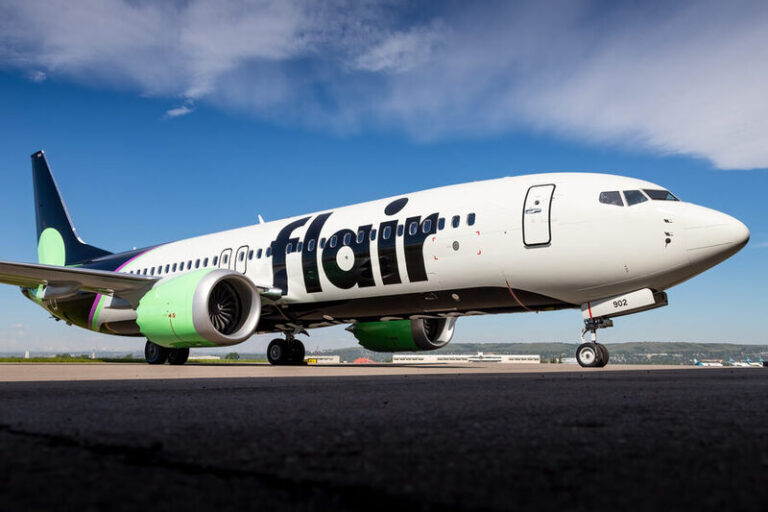
Flair Airlines is adding a new nonstop link between Montréal and Punta Cana from December 17, 2026, while restoring several popular Caribbean services from Western and Central Canada. The latest schedule gives Canadian travellers more direct options for winter holidays, with new and resumed flights linking Montréal, Calgary and Edmonton with major sun destinations.
Flair Airlines prepares for the winter travel season
Flair Airlines is expanding its seasonal network ahead of the 2026–27 winter travel period, with Punta Cana and Cancun featuring prominently in its latest schedule. The changes include a brand-new Montréal–Punta Cana service alongside the return of Cancun flights from Calgary, Edmonton and Montréal.
Advertisement
Advertisement
The timing is significant for Canadian travellers seeking warmer destinations during the colder months. Caribbean and Mexican routes traditionally become more important during winter, when demand rises for beach holidays, family trips and longer leisure stays.
Montréal gets a new Punta Cana connection
The most notable addition is Flair’s new nonstop service between Montréal-Trudeau International Airport and Punta Cana International Airport. Flights are scheduled to begin on December 17, 2026, with three services each week.
Advertisement
Advertisement
The route gives travellers in Québec another direct option for reaching the Dominican Republic’s popular resort region. Instead of connecting through another Canadian or US airport, passengers will be able to travel directly between Montréal and Punta Cana on the scheduled Flair service.
Why Punta Cana matters to Canadian travellers
Punta Cana is one of the Dominican Republic’s best-known holiday destinations, with extensive resort accommodation, beaches and visitor infrastructure designed around international leisure demand. Its appeal is particularly strong during the Northern Hemisphere winter, when travellers from Canada are looking for reliable warmth and sunshine.
Advertisement
Advertisement
The new Montréal service could therefore tap into an established seasonal travel market. Three weekly flights provide enough frequency for travellers to plan different lengths of stay while allowing Flair to target demand without operating the route every day.
Flair is also bringing back Cancun flights
The airline’s winter schedule extends beyond Punta Cana, with Cancun services returning from three Canadian cities. Calgary–Cancun is scheduled to resume on December 17, Edmonton–Cancun on December 16 and Montréal–Cancun on December 16.
Each route will operate three or four times per week, depending on the city. The Calgary service is scheduled four times weekly, while Edmonton and Montréal are each planned at three flights per week.
Calgary gets four weekly flights
For Calgary travellers, the return of Cancun service provides a direct route to one of Mexico’s most established tourism gateways. Four weekly flights give the Alberta market relatively strong seasonal frequency compared with some of the other returning services.
Cancun also functions as more than a beach destination. Travellers can use the airport as a gateway to Riviera Maya resorts, archaeological attractions, coastal communities and other parts of the Yucatán Peninsula.
Edmonton reconnects with Cancun
Edmonton will also regain direct Cancun service from December 16. The three-times-weekly schedule gives travellers in Alberta’s capital another option for escaping the Canadian winter without needing to travel first to Calgary or another major airport.
Advertisement
Advertisement
For families and leisure travellers, the return of nonstop service can simplify holiday planning. Direct flights can reduce total journey time and eliminate the uncertainty associated with connecting between multiple flights, particularly when travelling with children or substantial luggage.
Montréal gets two winter sun options
Montréal stands out in the latest schedule because the city gains both a new Punta Cana route and the return of Cancun service. Together, the two destinations give local travellers additional choice between the Dominican Republic and Mexico.
That diversification is useful for the airline as well. Instead of concentrating its Montréal winter capacity around a single destination, Flair can serve two major leisure markets with different resort products and visitor experiences.
The new service is available for booking
Bookings are available for the new Montréal–Punta Cana service, allowing travellers to plan ahead for the winter season. The first flights are scheduled for December 17, 2026, meaning the route will enter the market just before the Christmas and New Year holiday period.
Travellers considering the new service should check the operating dates carefully because the published schedule is not daily. Fares, flight times, baggage conditions and aircraft assignments should also be confirmed when making a booking because airline schedules can change.
Vancouver–Montréal adds another dimension
Flair’s 2026 network is not limited to winter sun destinations. The airline also introduced daily service between Vancouver and Montréal on April 15, providing a direct connection between two of Canada’s largest metropolitan markets.
Advertisement
Advertisement
The seven-times-weekly operation is substantially more frequent than the seasonal leisure services being introduced for winter. A daily schedule can appeal to a broader mix of passengers, including business travellers, visiting friends and relatives and leisure customers.
Toronto–St John’s strengthens domestic connectivity
Another route launched earlier in 2026 connects Toronto with St John’s, Newfoundland and Labrador. The service began on May 1 and is scheduled three times weekly.
The route gives Flair a presence in an important domestic market linking Canada’s largest city with Newfoundland and Labrador’s capital. Such connections can support both leisure travel and visits to family and friends, particularly during periods of stronger seasonal demand.
Toronto–Moncton expands the network
Flair also began three-times-weekly service between Toronto and Moncton on May 15. The route connects Ontario’s largest population centre with New Brunswick’s largest city, adding another domestic option for travellers between Central and Atlantic Canada.
Moncton also provides access to attractions throughout New Brunswick and the wider Maritime region. For leisure travellers, the route can therefore serve as an entry point for road trips and regional holidays rather than simply a city-to-city journey.
A broader strategy for 2026
Taken together, Flair’s routes demonstrate a combination of domestic network development and seasonal international flying. The airline is serving major Canadian cities while also targeting high-demand leisure markets in Mexico and the Caribbean.
Advertisement
Advertisement
This type of network allows an ultra-low-cost carrier to pursue different demand patterns throughout the year. Domestic routes can provide more consistent traffic, while seasonal international services can concentrate capacity where Canadians are most likely to travel during winter.
Winter travel is driving the latest additions
The timing of the Cancun and Punta Cana services is no coincidence. December marks the beginning of one of the most important periods for Canadians travelling to warmer destinations, with demand typically increasing around the Christmas holidays and continuing through the winter.
Airlines can use seasonal schedules to match capacity with these predictable demand patterns. Rather than operating every route throughout the year, carriers can introduce or restore services when the commercial case is strongest.
More competition for Canadian leisure travellers
Additional capacity can also increase competition on routes to popular holiday destinations. Travellers may compare Flair’s fares with those offered by full-service and other low-cost carriers, particularly when booking well in advance.
For consumers, competition can create more choice in departure dates and pricing. However, the headline fare is only one part of the total cost, so passengers should consider baggage, seat selection, meals and other optional charges when comparing different airlines.
What the new Punta Cana route means for tourism
The Montréal–Punta Cana connection could benefit both ends of the route. Canadian visitors provide an important source of international tourism demand for the Dominican Republic, while direct flights make the destination more accessible to potential holidaymakers.
Advertisement
Advertisement
Hotels, resorts, restaurants, tour operators and transport providers can all benefit from stronger air connectivity. The impact is particularly relevant for destinations where international visitors make up a substantial share of accommodation demand.
Cancun remains a major winter market
Cancun’s return across three Canadian departure cities reinforces the importance of Mexico within Flair’s winter strategy. The destination has a mature tourism ecosystem, ranging from large all-inclusive resorts to independent hotels and attractions across the Riviera Maya.
For Canadian travellers, Cancun also offers a relatively broad range of holiday styles. Visitors can choose between resort-based stays, excursions, cultural experiences, diving, nature activities and trips to historic Mayan sites.
Aircraft and schedules will matter
The success of these routes will depend partly on how effectively Flair matches aircraft capacity with demand. Three or four weekly flights can provide useful connectivity while allowing the airline to concentrate aircraft on markets with stronger seasonal potential.
Passengers should also remember that operational schedules can be adjusted after publication. Weather, aircraft availability, commercial performance and other operational considerations can affect airline timetables.
What travellers should know before booking
Anyone planning a winter holiday should check the exact travel dates before making hotel or resort reservations. A three-times-weekly service offers fewer departure choices than a daily operation, so accommodation dates need to be aligned with the flight schedule.
Advertisement
Advertisement
Travellers should also check the fare conditions and included services. Low-cost airline pricing can separate the base ticket from optional extras, meaning the final cost can vary depending on luggage, seat preferences and other requirements.
Canada’s winter leisure market remains important
The latest additions highlight the continued importance of international leisure travel from Canadian airports. As temperatures fall across the country, destinations in the Caribbean and Mexico become increasingly attractive to travellers looking for sunshine, beaches and resort holidays.
For Flair, that creates a predictable opportunity to deploy aircraft into markets where demand can be particularly strong during the Canadian winter. The airline’s new Montréal–Punta Cana service and returning Cancun routes show how it is positioning itself for that seasonal demand.
The bigger picture for Flair Airlines
The 2026 schedule combines several different types of growth. Vancouver–Montréal and the Toronto services expand domestic connectivity, while the Punta Cana and Cancun routes target international leisure demand.
That balance gives Flair opportunities across multiple passenger segments. The domestic network can support Canadians travelling within the country, while the winter international schedule targets travellers seeking warmer destinations at a time when seasonal demand is strongest.
A significant winter for Canadian travellers
The December additions give passengers in Montréal, Calgary and Edmonton more direct options for winter holidays. Punta Cana becomes a new Montréal choice, while Cancun returns to the schedules from three major Canadian cities.
Advertisement
Advertisement
For the wider travel industry, the additions demonstrate the continuing importance of affordable air connectivity in shaping holiday demand. If passenger response is strong, the routes could provide a foundation for future seasonal growth and potentially encourage further competition on popular Canadian sun routes.
What comes next
The first major winter changes arrive in mid-December, with Edmonton–Cancun beginning on December 16 and Montréal–Cancun following the same day. Montréal–Punta Cana and Calgary–Cancun then begin on December 17, placing all four services within the key winter holiday period.
The network will ultimately be judged by passenger demand and commercial performance. For now, however, Flair is giving Canadian travellers more direct ways to reach two of the most popular warm-weather regions in the Americas just as winter travel demand begins to build.
Frequently Asked Questions
When does Flair Airlines’ new Montréal–Punta Cana route start?
The new nonstop service is scheduled to begin on December 17, 2026.
How often will Flair fly from Montréal to Punta Cana?
The Montréal–Punta Cana route is scheduled to operate three times a week.
When does Flair’s Calgary–Cancun service resume?
Flair Airlines is scheduled to resume Calgary–Cancun flights on December 17, 2026, with four weekly services.
Advertisement
Advertisement
When does Edmonton–Cancun service return?
The Edmonton–Cancun route is scheduled to resume on December 16, 2026, operating three times weekly.
Is Montréal also getting Cancun service?
Yes. Flair is scheduled to resume Montréal–Cancun service on December 16, 2026, with three flights per week.
Which Flair routes launched earlier in 2026?
The airline launched Vancouver–Montréal on April 15, Toronto–St John’s on May 1 and Toronto–Moncton on May 15.
Why does Flair add seasonal flights to Cancun and Punta Cana?
Seasonal services allow the airline to increase capacity in destinations where demand is expected to be particularly strong during Canada’s winter months.
Are the new routes daily?
No. The Punta Cana and Cancun services listed in the winter schedule operate between three and four times per week, depending on the route.
Can travellers book the new Montréal–Punta Cana flights now?
Yes. The new service is available for booking, subject to the airline’s current inventory and schedule.
Advertisement
Advertisement
Could Flair Airlines change the schedules?
Yes. Airline timetables can change because of operational, commercial, aircraft availability and other factors. Passengers should check their booking and the latest schedule before travelling.
Advertisement
