
Kenya Unites Tanzania and Others as African Safari Tourism Gains Momentum with Rising Travel Spending in 2026

Published
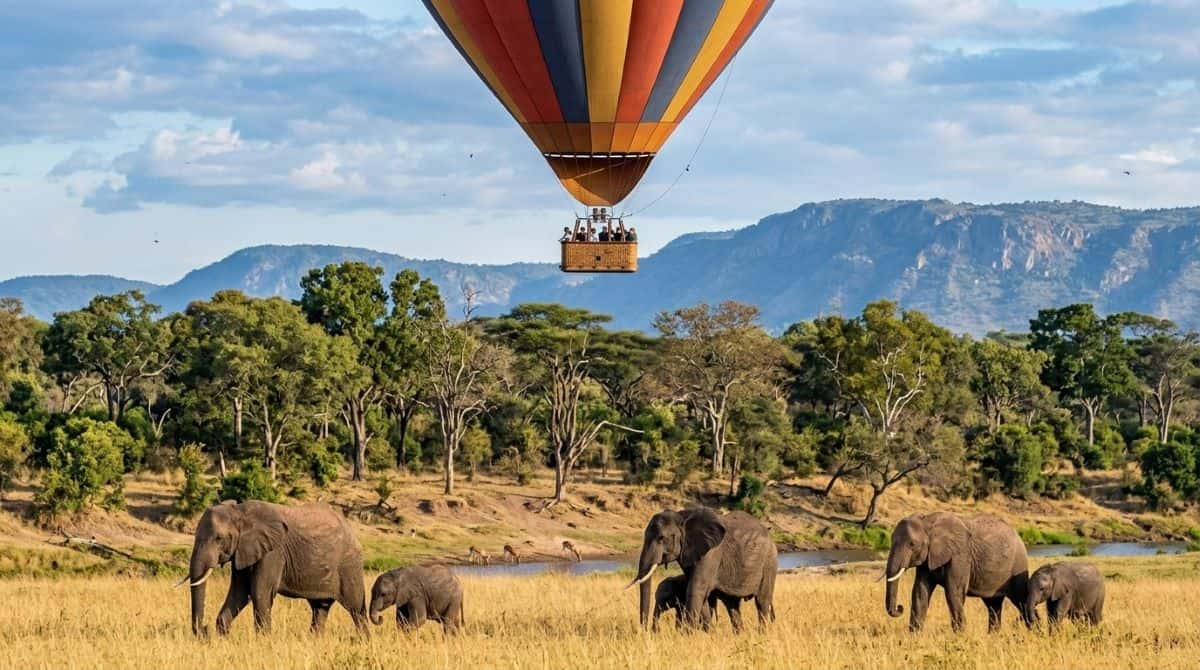
Your safari budget buys three things: wildlife access, accommodation and the journey between them. My research across Kenya, Tanzania, Botswana, South Africa, Rwanda, Namibia and Uganda points to a useful conclusion: compare those components before choosing a destination. Africa’s international arrivals rose 4.4% in January–June 2026, according to UN Tourism. That measures all tourism, not safari bookings. I dove deep into government reports, traveller surveys and published tariffs to understand what the momentum means for your holiday. These countries come together as a research comparison, not a newly announced alliance. The findings reveal where timing, location and booking conditions can change the value of your trip.
Kenya Safari Deals: When Staying Longer Costs Less
At Sala’s Camp, selected standard tents cost US$1,530 per adult sharing nightly for 1 November–15 December 2026. A qualifying four-night booking receives 30% off accommodation.
Here is my calculation for two adults:
| Stay | Accommodation calculation | Total |
|---|---|---|
| Three nights without the offer | 3 × 2 × US$1,530 | US$9,180 |
| Four eligible nights | 4 × 2 × US$1,530 × 70% | US$8,568 |
Four nights cost US$612 less than three in accommodation charges. Park and conservation charges, flights and other extras remain additional.
Advertisement
Advertisement
The offer applies to new bookings, depends on availability and cannot combine with another offer. Request both trip lengths before cutting a night: package conditions can matter more than the headline tariff.
“When you’re comparing safari prices, don’t just look at the nightly rate. You need to factor in park fees (usually £40 to £80 per day per person), conservation levies, and whether meals and activities are actually included or just sound like they are. Some lodges advertise low rates but then charge separately for every game drive. The only way to compare properly is to calculate your total daily spend, not just the accommodation cost,” says Michael Foote, Founder of Quotegoat
Advertisement
Advertisement
Tanzania Safari Spending: Read Beyond the Growth Figure
Tanzania’s tourism receipts rose 13% to US$4.4106 billion in 2025. Its central bank’s newer rolling-year measure records 1.6% growth to US$4.2928 billion in the year ending July 2026. Different periods reveal a more measured picture than an uninterrupted acceleration.
The August 2025 visitor survey separately records US$452 in average wildlife safari expenditure per person per night. That is observed spending, not a current accommodation quotation.
For a current price comparison, Sayari publishes US$2,250 per person nightly for July–October 2026, falling to US$1,030 for 1 November–19 December. Park-related charges remain extra.
My takeaway: match the camp’s location to your wildlife objective before chasing the seasonal reduction.
Botswana Safaris: Choose the Experience Before the Price Tier
Botswana’s tourism authority describes an Okavango Delta landscape combining wetlands and dryland habitats. It also lists self-drive, self-catering accommodation near Chobe, including Muchenje Campsite and Cottages.
That creates two different budgeting exercises:
Advertisement
Advertisement
- Delta camp: Establish which land or water activities operate from your base, then include any onward camp flights.
- Chobe self-drive: Combine the vehicle, fuel, accommodation, food and park access.
I would resist treating one expensive wilderness camp as the price of Botswana. Start with the experience you want, then compare equivalent arrangements.
South Africa Safari Costs: Kruger’s November Price Change
South Africa recorded 991,696 international arrivals in July 2026, up 12.5%, according to a government statement.
For independent wildlife travel, the next practical change is Kruger’s standard international conservation fee:
| Travel period | Adult entry per day | Two adults, four chargeable days |
|---|---|---|
| Through 31 October 2026 | R602 | R4,816. |
| From 1 November 2026 | R692 | R5,536. |
Accommodation, transport and meals are separate. Resident and eligible regional categories differ.
The adult increase is approximately 15%. A cheaper November lodge quotation therefore does not mean every component of the trip has fallen.
Rwanda Gorilla Trekking: Your Lodge Does Not Buy More Gorilla Time
Rwanda’s standard foreign-visitor gorilla permit costs US$1,500 per person. Two adults trekking once each need US$3,000 before accommodation and transport. The minimum age is 15.
Advertisement
Advertisement
Visit Rwanda limits tourist contact with each gorilla group to one hour daily. Spending more on your lodge does not extend that encounter. Hikes can take 30 minutes to four hours or more.
I would establish permit availability first, then choose accommodation around comfort, location and transfers. Keep the trek’s walking requirements separate from the lodge’s luxury description: they answer different questions.
Namibia Safari Planning: Location Can Buy Better Access
Sossus Dune Lodge offers a useful lesson for a desert-and-wildlife itinerary. Its position inside Namib-Naukluft National Park allows guests to reach Sossusvlei before sunrise and remain after sunset.
For photographers, I would count that access as part of the accommodation’s value.
The standard chalet falls from NAD7,000 per person sharing nightly in July–October 2026 to NAD4,030 for November 2026–June 2027, including dinner and breakfast.
That is a calculated 42.4% seasonal reduction at one property, not a national discount. Budget separately for transport, lunch and activities.
Advertisement
Advertisement
Uganda Primate Safaris: Check the Return Journey First
Uganda’s tourism ministry reports approximately US$1.62 billion in tourism earnings for 2025. Bwindi gorilla trekking and Kibale chimpanzee experiences provide a forest-focused alternative to conventional game drives.
However, Canadian readers face an immediate qualification. Canada’s advice, updated 24 September, says to avoid non-essential travel to Uganda.
Measures currently scheduled through 28 September 2026 at 11:59pm EDT generally require Canadian citizens and permanent residents who visited or transited Uganda within the preceding 21 days to quarantine for 21 days after entering Canada, unless exempt.
Check the rules against your return date before paying. A workable outbound itinerary is not enough when the journey home carries separate conditions.
US, Canadian and European Safari Demand in Focus
To compare overseas audiences without mixing different datasets, I used Tanzania’s August 2025 visitor survey:
| Selected overseas market | Share in the survey |
|---|---|
| United States | 12.4% |
| Italy | 11.8% |
| France | 7.0% |
| United Kingdom | 6.0% |
| Germany | 4.8% |
| Netherlands | 3.8% |
| Canada | 2.0% |
These are survey shares, not an Africa-wide safari ranking. African markets, including Kenya and Zambia, also feature prominently.
Advertisement
Advertisement
Canada’s overseas spending rose 16.7% to C$10.1 billion in January–March 2026, while visits to the United States fell 10.6%. That signals changing outbound travel, not proof of a Canadian safari boom.
For your budget, convert the invoice currency. At Bank of Canada indicative rates on 25 September, US$5,000 equals approximately C$7,073, €4,387 or £3,774, before payment charges. A fixed dollar invoice remains US$5,000 for an American buyer.
Also Read – Canadian Travellers Choose Europe Over US City Breaks
African Safari Booking Checklist: Three Questions Before You Pay
Before committing, I would settle three questions:
- What time do I actually get? Mark transfers, arrival times and scheduled wildlife activities on the itinerary.
- What will my party pay? Obtain one total covering occupancy, guiding, meals, permits, compulsory fees and cancellation terms. Ask who receives conservation contributions.
- What could prevent the trip? Check entry and transit requirements, government advice and permit availability. Seek itinerary-specific health advice and appropriate medical-evacuation cover.
The safari I would prioritise is not the one with the most stops or the highest room rate. It is the one that accounts clearly for your time, your money and the experience you came to have.
In conclusion, rising travel spending unites Kenya with Tanzania and others as African safari tourism gains momentum in 2026, reflecting more international arrivals. This research explores how African safari tourism is gaining momentum in 2026 against a backdrop of rising arrivals and travel spending in key destinations. Botswana, South Africa, Rwanda, Namibia and Uganda offer contrasting ways to explore. As you compare them, focus on seasonal conditions, permit access and transfer time, with every compulsory charge included. The strongest choice is the safari that delivers your desired experience at a total price you understand.
Advertisement
