

Egypt Luxury Tourism Enters a New Era as the Grand Egyptian Museum Fuels Demand for Elite Cultural Travel

Published
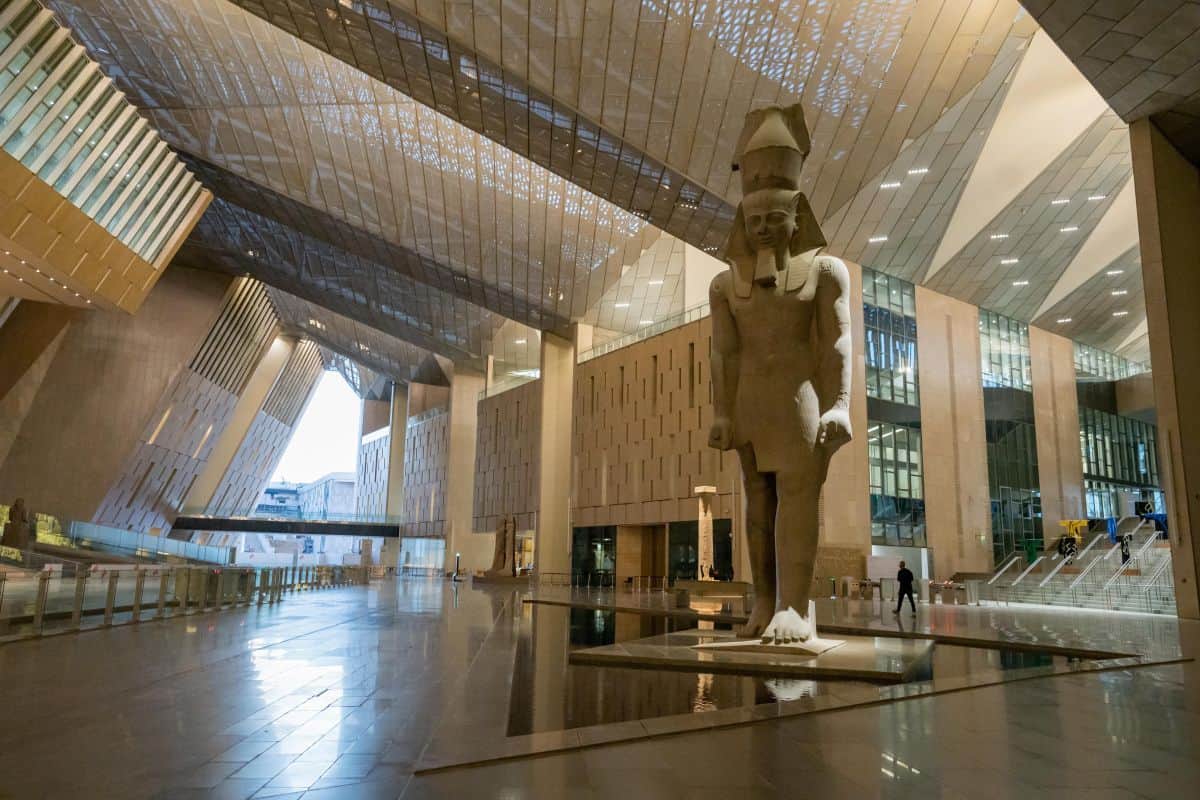
Egypt is entering a new chapter in luxury tourism, pairing its ancient monuments with sophisticated stays, intimate Nile voyages and revived urban heritage. The opening of the Grand Egyptian Museum in November 2025 has strengthened Cairo’s cultural appeal, while boutique properties in Cairo and Luxor are creating more distinctive reasons to stay longer. Egypt welcomed nearly 19 million tourists in 2025, up 21 per cent year on year, according to official figures. The country now targets 30 million visitors by 2030, placing greater pressure on accommodation, aviation and visitor infrastructure.
The shift is particularly visible beyond the conventional resort circuit. Historic residences, design-led hotels, traditional dahabiyas and curated archaeological journeys are giving affluent travellers a slower way to experience Egypt. The supplied feature also highlights this transition through Cairo’s Immobilia, Luxor’s Al Moudira and Nile Canopus, Egypt’s first Relais & Châteaux vessel.
Advertisement
Advertisement
The Grand Museum Changes Cairo’s Cultural Map
The Grand Egyptian Museum has become the strongest new pillar of Egypt’s cultural tourism strategy. The museum officially opened in November 2025 after years of delays, giving visitors a substantially expanded gateway into ancient Egyptian civilisation.
Its significance extends beyond its size. More than 5,000 objects associated with Tutankhamun are being presented together, creating an experience that was previously impossible for visitors to encounter in one place. The collection sits alongside a much wider presentation of Egyptian history and material culture.
Advertisement
Advertisement
The museum also changes how travellers can structure a Cairo itinerary. Instead of treating the pyramids as an isolated stop, visitors can now build a broader cultural circuit around Giza, the museum and historic Cairo.
That matters for luxury travel because premium visitors increasingly seek depth rather than simple sightseeing. A museum visit can become the anchor for private guiding, specialist archaeological tours, refined accommodation and longer stays.
Advertisement
Advertisement
| Cultural development | Traveller significance | Tourism impact |
|---|---|---|
| Grand Egyptian Museum | Major new cultural attraction | Strengthens Cairo’s international appeal |
| Tutankhamun collection | Concentrated royal heritage experience | Supports premium cultural itineraries |
| Giza location | Links museum and pyramids | Encourages multi-attraction visits |
| Digital visitor services | Easier trip planning | Improves visitor experience |
| Extended opening hours | Greater itinerary flexibility | Supports evening tourism |
Egypt’s tourism authorities are also positioning the museum within a wider diversification strategy. Official policy documents emphasise cultural, beach, adventure, ecological, medical and spiritual tourism rather than relying on one product.
Cairo’s Historic Heart Finds New Appeal
The transformation does not stop at Giza. Downtown Cairo is increasingly valuable for travellers interested in architecture, design, cinema, food and social history.
The supplied feature presents Immobilia as an example of this emerging direction. The property occupies a landmark 1930s building and combines historic provenance with highly individual interiors. Its story connects diplomatic history, Egyptian cinema, aristocratic Cairo and contemporary hospitality.
This type of accommodation represents an important change in the luxury market. Travellers who already know the pyramids and Nile often want a more intimate understanding of the destination.
Consequently, historic buildings can become tourism assets in their own right. Their architecture, stories and neighbourhood settings provide experiences that large international hotels cannot easily reproduce.
The opportunity also supports urban regeneration. Egypt’s authorities have identified infrastructure, hotel investment and destination development as essential to accommodating future visitor growth. The government is also examining investment opportunities and additional hotel capacity to support the 30 million visitor ambition.
Advertisement
Advertisement
Luxor Turns Heritage Into Slow Luxury
Luxor remains central to Egypt’s cultural proposition, but the luxury experience is becoming less dependent on conventional five-star hotels.
Al Moudira Luxor illustrates the model. The property uses courtyards, traditional architectural forms, gardens, antiques and locally inspired design to create a distinctive sense of place. Its 54 rooms and suites are individually styled, while its gardens and agricultural setting reinforce a slower approach to hospitality.
Its Farm Kitchen also reflects a broader movement towards place-based dining. Rather than separating accommodation from the surrounding landscape, the property links agriculture, food and hospitality.
That model has implications for destination management. Longer stays can distribute visitor spending across accommodation, guides, restaurants, transport, crafts and cultural attractions.
It can also encourage travellers to explore places beyond the most famous monuments. Medinet Habu, for example, provides a powerful alternative to the busiest temple experiences and demonstrates the depth of Luxor’s archaeological landscape.
Nile Cruising Moves Beyond Mass Tourism
The Nile remains Egypt’s defining tourism corridor, yet the traditional cruise market is changing.
Advertisement
Advertisement
Nile Canopus, launched in December 2025, is presented in the supplied feature as Egypt’s first Relais & Châteaux vessel. Its six cabins, private balconies, curated dining and all-inclusive service place the emphasis on intimacy rather than scale.
The distinction matters. A smaller sailing vessel can create a different rhythm from a large cruise ship. Travellers spend more time on deck, move through smaller-scale landscapes and experience archaeological sites within a more personalised programme.
The itinerary also connects several major archaeological destinations. These include Esna, Edfu, Kom Ombo and Philae, alongside the monuments surrounding Luxor.
| Nile experience | Traditional approach | Emerging luxury model |
|---|---|---|
| Vessel | Larger cruise ship | Smaller dahabiya-style vessel |
| Atmosphere | Group-oriented | More private and intimate |
| Dining | Standard cruise service | Destination-led dining |
| Excursions | Scheduled group visits | Curated guided experiences |
| Accommodation | Cabins across larger vessels | Fewer, more spacious suites |
| Pace | Structured itinerary | Slower, experiential travel |
This is particularly relevant to affluent travellers seeking privacy. It also gives Egypt an opportunity to increase the value of each visitor without relying entirely on higher visitor volumes.
Visitor Growth Raises Capacity Questions
The luxury revival is unfolding against an impressive rise in international arrivals. Egypt recorded almost 19 million tourists in 2025, representing 21 per cent growth over 2024. Official figures also reported a 32 per cent increase in charter flight traffic to Egyptian tourist destinations.
The next challenge is capacity. Egypt’s official tourism strategy seeks 30 million visitors, while government discussions have repeatedly highlighted the need for more hotel rooms, aviation capacity and infrastructure.
Advertisement
Advertisement
A 2025 government year-end assessment estimated Egypt’s accommodation inventory at about 235,000 hotel rooms, with another 4,500 to 5,000 rooms expected to be added by the end of that year.
| Indicator | Latest official figure or target |
|---|---|
| International visitors in 2025 | Nearly 19 million |
| Growth over 2024 | 21% |
| 2030 visitor ambition | 30 million |
| Existing hotel rooms cited in 2025 planning | About 235,000 |
| Additional rooms cited for 2025 | 4,500–5,000 |
| Markets served | 179 countries |
| First-quarter 2026 visitor growth | 15.6% year on year |
The Ministry of Tourism and Antiquities later reported that visitor numbers increased by 15.6 per cent during the first quarter of 2026. It also identified hotel capacity and airline seats as major challenges to continued expansion.
This creates an important strategic question. Can Egypt increase visitor numbers without diluting the exclusivity that attracts high-value travellers?
The answer will depend partly on how effectively new investment spreads across destinations. More rooms alone will not create premium tourism. Egypt needs compelling products, strong service standards, reliable transport and authentic cultural experiences.
Sustainability Becomes Part of Luxury
Luxury hospitality is also becoming more closely associated with sustainability.
Al Moudira, for instance, aims to become carbon neutral and entirely self-sufficient by 2030, according to the supplied feature. Its gardens and agricultural activity also connect the hotel’s food offer with its surrounding environment.
Advertisement
Advertisement
This reflects a wider policy direction. Egypt’s tourism strategy includes sustainability, environmental transition, digitalisation and improved visitor experience among its priorities.
For travellers, this could gradually make environmental performance more visible when choosing accommodation. For operators, it creates an opportunity to differentiate properties through energy efficiency, local sourcing and conservation.
However, sustainability must remain measurable. Luxury travellers increasingly expect environmental claims to be supported by credible practices rather than marketing language alone.
What Travellers Should Know Before Visiting
The Grand Egyptian Museum should now form part of any first-time cultural itinerary. Travellers should book through the official ticketing platform, particularly during busy weekends and peak periods.
The museum states that its galleries generally operate from 9am to 6pm. On Wednesdays and Saturdays, galleries remain open until 9pm, providing greater flexibility for visitors.
Official ticketing data also shows that dates can reach their maximum online capacity. The museum previously introduced tighter booking arrangements after visitor demand exceeded operational capacity during its opening period.
Advertisement
Advertisement
Travellers should therefore avoid relying on unofficial ticket sellers. The museum explicitly states that its official ticketing website is the authorised purchasing channel.
For a richer experience, visitors can combine Giza with historic Cairo and then continue south to Luxor. A longer itinerary also makes it easier to include less crowded archaeological sites and smaller hospitality properties.
The strongest trips will avoid treating Egypt as a checklist of monuments. Instead, travellers can combine archaeology, architecture, food, design, river travel and contemporary Egyptian culture.
A Wider Tourism Transformation Is Underway
The significance of Egypt’s current tourism cycle lies in its breadth. The country is not simply adding another museum or opening more luxury hotels.
Instead, it is building a more layered tourism proposition. Cultural attractions are gaining new infrastructure, historic properties are being repositioned, Nile travel is becoming more intimate and accommodation investment is expanding.
The government’s ambition of reaching 30 million visitors also gives this transformation a clear commercial framework. Official policy increasingly emphasises product diversification, investment, sustainability, human resources and improved visitor experience.
Advertisement
Advertisement
For the travel industry, the implications are substantial. Egypt can potentially move more travellers from short, monument-focused trips towards longer and higher-value journeys.
That shift could benefit regional destinations as well. Cairo, Giza and Luxor can function as gateways rather than isolated stops, allowing tourism expenditure to move deeper into local economies.
Egypt’s Heritage Has a New Commercial Life
Egypt’s latest tourism story is ultimately about reframing heritage as an experience rather than a monument. The Grand Egyptian Museum provides a powerful new cultural anchor, while boutique properties and intimate Nile vessels offer travellers more sophisticated ways to encounter the country.
The 19 million visitors recorded in 2025 demonstrate the strength of demand. The 30 million target, meanwhile, makes capacity, sustainability and service quality increasingly urgent priorities.
For travellers, the opportunity is equally compelling. Egypt now rewards slower itineraries, deeper cultural engagement and carefully selected accommodation. Its ancient inheritance remains the headline attraction, but the emerging luxury ecosystem is giving visitors new reasons to stay longer.
Advertisement
