
US Along With Spain And Several Other Countries Across the World Witness Sensational Draconid Meteor Shower Qatar Night Sky Travel Expansion

Published
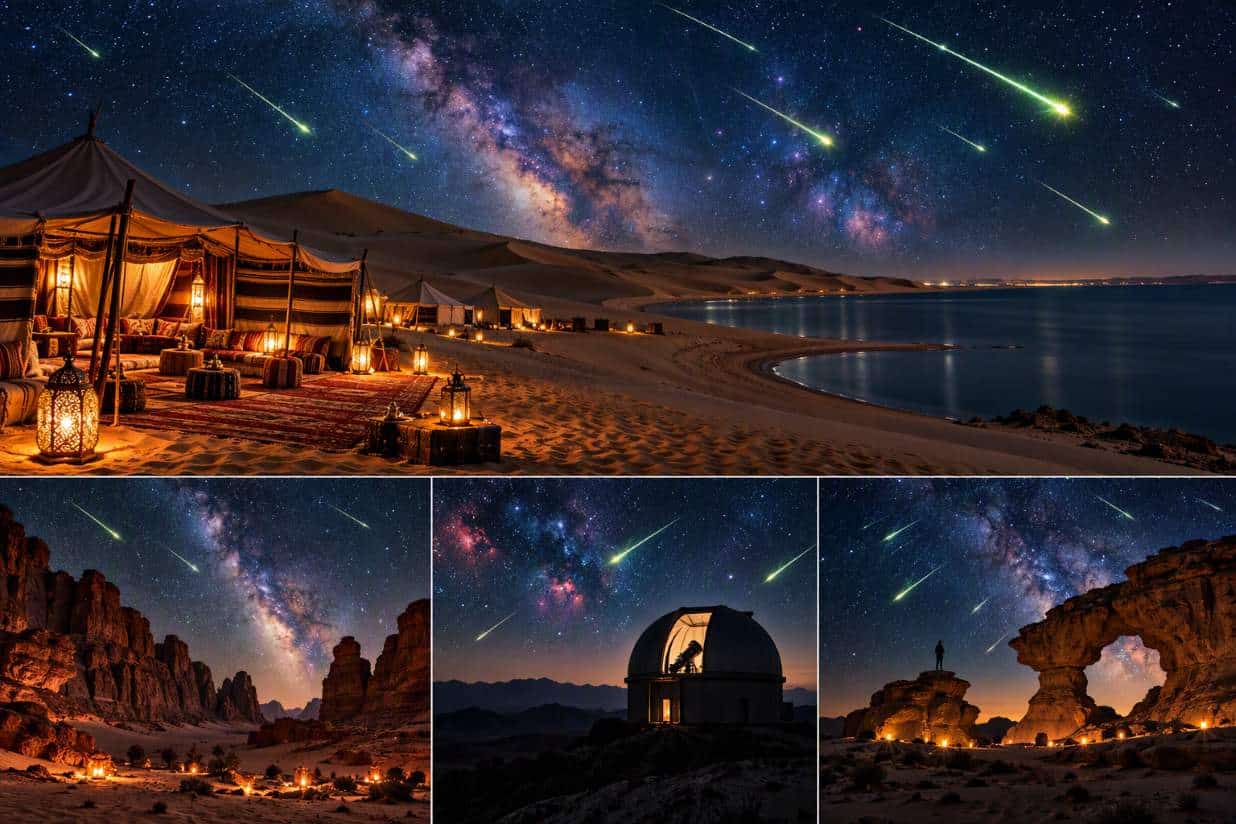
The Draconid meteor shower Qatar peak drives an astounding global astrotourism surge across Qatar, UK, US, Jordan, and Spain. International skywatchers are booking desert eco-camps and dark sky preserves for this magnificent night-sky spectacle. Salman Jabor Althani, President of the Qatar Astronomical Center, confirmed the prime evening viewing conditions. The optimal viewing window extends from Thursday evening, October 8, 2026, through Friday dawn.
Salman Jabor Althani, President of the Qatar Astronomical Center, confirmed the event details in an official update. Skywatchers can expect a display of approximately 10 to 15 meteors per hour under ideal conditions.
The optimal viewing window extends from nightfall on Thursday, October 8, 2026, until dawn on Friday. Clear desert skies provide an extraordinary vantage point for international visitors and local astronomy enthusiasts alike.
+-----------------------------------------------------------------------------------+
|                        DRACONID METEOR SHOWER 2026 AT A GLANCE                    |
+--------------------------+--------------------------------------------------------+
| Peak Window              | Thursday evening, Oct 8 to Friday dawn, Oct 9, 2026    |
| Peak Activity            | 10 to 15 meteors per hour                              |
| Best Viewing Time        | Early evening immediately after sunset                 |
| Radiant Point            | Constellation Draco (High Northern Sky)                |
| Parent Body              | Comet 21P/Giacobini-Zinner (6.6-year orbital period)   |
| Primary Observing Hubs   | Qatar, United Kingdom, United States, Jordan, Spain    |
+--------------------------+--------------------------------------------------------+
Unique Viewing Mechanism Immediately After Sunset
Unlike most meteor showers that intensify near dawn, the Draconids peak immediately after sunset. This unique timing occurs because the radiant point sits highest in the evening sky right after nightfall.
Advertisement
Advertisement
Viewers are advised to look toward the high northern sky to locate the constellation Draco the Dragon. Draco serves as the radiant point from which these dramatic shooting stars appear to originate globally.
The meteor shower occurs when Earth passes through dust trails left by Comet 21P Giacobini Zinner. This icy comet orbits the sun once every 6.6 years, leaving behind reflective space debris.
Advertisement
Advertisement
According to officials at international space agencies, the phenomenon remains widely visible across the entire Northern Hemisphere. Observers in equatorial regions between 90°N and 15°S latitudes can also catch clear views tonight.
Qatar Tourism Strategy 2030 And Astrotourism Expansion
Celestial events serve as vital catalysts for the rapidly expanding global astrotourism market across the Middle East. This specialized niche directly supports the ambitious Qatar Tourism Strategy 2030 framework established by national authorities.
Advertisement
Advertisement
The overarching national plan aims to transform the peninsula into the fastest-growing tourism destination in the region. Official targets project attracting over six million international visitors annually to the country by 2030.
Tourism leadership expects overall visitor spending to rise significantly to $11 billion over the coming decade. Experiential travel initiatives utilize the country’s vast, unpolluted desert landscapes to draw high-value global travellers.
+-----------------------------------------------------------------------------------+
|                   QATAR NATIONAL TOURISM STRATEGY 2030 TARGETS                    |
+------------------------------------+----------------------------------------------+
| Annual International Visitors      | 6+ Million Target by 2030                    |
| Total Tourism Spending Target      | $11 Billion                                  |
| Projected Net Tourism Balance      | $7 Billion to $7.8 Billion                   |
| Key Experiential Focus Areas       | Astrotourism, Desert Eco-Camps, MICE Travel  |
+------------------------------------+----------------------------------------------+
Desert Excursions And Cultural Heritage Integration
Official tourism frameworks heavily emphasize guided night excursions to remote natural locations like the Inland Sea. Minimal light pollution in these pristine southern desert tracks provides exceptional conditions for astronomical viewing.
International visitors are encouraged to combine stargazing excursions with authentic cultural heritage experiences. Traditional desert camps offer luxury overnight accommodations paired with regional Bedouin hospitality and local gastronomy.
Advertisement
Advertisement
This strategic alignment shifts travel patterns by encouraging longer stays and higher average spending per visitor. Officials project this sustainable model will yield a positive net tourism balance up to $7.8 billion.
Global Visibility And International Dark Sky Preserves
The broad geographic reach of the Draconids creates lucrative opportunities for tourism boards across multiple continents. Nations across Europe, North America, Asia, and North Africa actively market their local dark sky preserves.
+-----------------------------------------------------------------------------------+
|                     GLOBAL ASTROTOURISM REGIONAL HIGHLIGHTS                       |
+-------------------+---------------------------------------------------------------+
| Region            | Key Dark Sky Destinations & Tourism Focus                     |
+-------------------+---------------------------------------------------------------+
| Middle East       | Qatar (Inland Sea), Jordan (Wadi Rum), Saudi Arabia           |
| North America     | Big Bend (US), Death Valley (US), Jasper National Park (Canada)|
| Europe            | Snowdonia (UK), Galloway Forest (UK), Canary Islands (Spain)  |
| North Africa      | Desert regions across Morocco, Algeria, and Egypt             |
+-------------------+---------------------------------------------------------------+
Dark Sky Infrastructure In North America And Europe
In North America, agencies like the National Park Service and Parks Canada promote autumn celestial displays. Internationally accredited locations like Big Bend National Park and Jasper National Park draw thousands of night-sky photographers.
In Europe, high northern latitudes offer unobstructed views of the constellation Draco throughout early autumn evenings. Visit Wales and VisitScotland aggressively market certified dark sky preserves like Snowdonia and Galloway Forest Park.
Spain leverages the high-altitude conditions of the Canary Islands, supported by the famous Roque de los Muchachos Observatory. These protected environments prevent light pollution while generating crucial off-season revenue for regional hospitality providers.
Middle East Desert Eco Tourism Initiatives
Across the Middle East, regional tourism ministries are prioritizing desert-based eco-tourism to diversify their economies. Tourism authorities in Jordan promote the desert wilderness of Wadi Rum for night-sky observation packages.
Advertisement
Advertisement
Saudi Arabia similarly expands its luxury eco-tourism portfolio by preserving dark desert skies near historic heritage sites. European and Asian travellers increasingly seek these warm, dry climates for clear nighttime celestial observation.
Economic Value And Seasonal Tourism Curve Flattening
From an official destination management perspective, astronomical events deliver exceptional economic value during autumn shoulder seasons. October traditionally experiences a lull in international leisure travel before the winter holiday surge.
Promoting predictable astronomical displays allows national tourism organizations to flatten seasonal visitor demand curves effectively. Astrotourism requires minimal physical infrastructure, making it an exceptionally sustainable and eco-friendly economic growth model.
Protecting night skies reduces carbon-intensive artificial lighting while directing tourist spending into rural communities. Local tour guides, desert transport providers, and boutique heritage hotels benefit directly from this growing demand.
How This Story Impacts Travellers And The Travel Industry
This news provides valuable practical guidance for both international consumers and commercial travel industry operators.
Value for International Travellers
- Optimal Timing: Travellers can view the display immediately after sunset without waking during early pre-dawn hours.
- Location Choice: Unpolluted desert locations like Qatar‘s Inland Sea or European dark sky parks offer superior visibility.
- Gear Preparation: No specialized telescopes are required; observers simply need clear horizons and dark surroundings.
Value for the Travel Industry
- Off-Season Revenue: Tour operators can package stargazing excursions to boost autumn shoulder-season bookings significantly.
- Sustainable Product Diversification: Tourism boards can expand eco-friendly itineraries without heavy capital expenditure on infrastructure.
- Cross-Sector Collaboration: Hotels and transport providers can partner with local astronomical societies to create high-value experiential packages.
Conclusion On The Draconid Meteor Shower Qatar Experience
The Draconid meteor shower Qatar display highlights the growing global appeal of nature-based astronomical tourism. Clear desert skies and strategic government investment position the region as a premier hub for global skywatchers.
Advertisement
Advertisement
As Earth passes through the ancient debris trail of Comet 21P Giacobini Zinner, observers enjoy a magnificent display. Whether viewed from the Qatari desert, British dark sky reserves, or American national parks, the spectacle inspires.
The alignment of natural wonder with strategic tourism planning secures a bright future for global astrotourism. International travel destination managers will continue capitalizing on dark skies to drive sustainable economic growth worldwide.
Advertisement
