
UK Transit Visa Rules: Why a Schengen Visa Is Not Enough for Layovers

Published
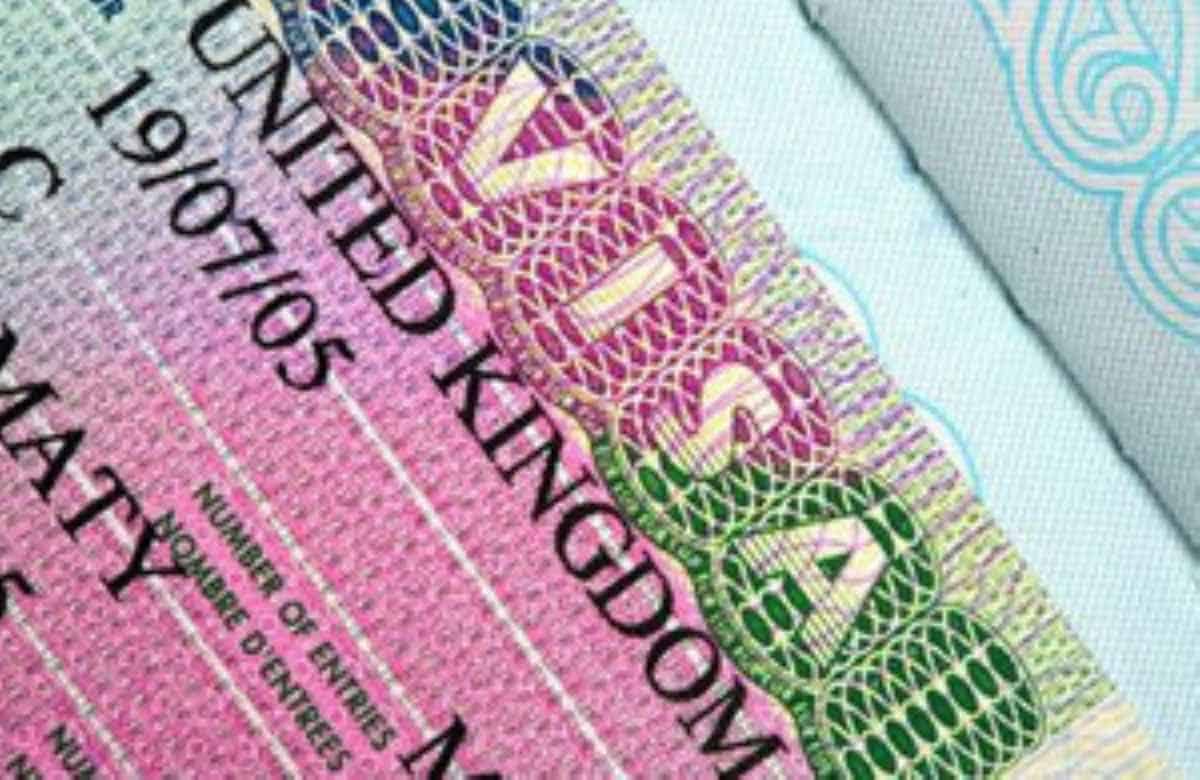
The complexities of international travel documentation frequently catch modern globetrotters unawares, particularly when complex itineraries involve multiple distinct jurisdictions. The journey in question involved an itinerary originating in Delhi and terminating in Oslo, routed through London Heathrow aboard a British Airways service. The passenger possessed a valid Schengen Type C Visa intended for the journey to Norway, alongside a single passenger name record (PNR) booking featuring a brief two-hour connection time at the transit hub. It was widely assumed by the traveller that remaining airside for a short connection would obviate the need for any supplementary documentation beyond the valid European entry permit. However, boarding was refused at Delhi airport due to the absence of a UK Direct Airside Transit Visa (DATV).
Impact on Travellers
For many international voyagers, the assumption persists that a valid Schengen Visa grants seamless passage through any intermediary global hub located outside the European Union. Consequently, discovering regulatory requirements at the departure gate rather than during the booking phase results in significant financial losses, disrupted travel plans, and profound frustration. Indian passport holders, in particular, are strongly advised to verify entry and transit mandates independently of their final destination’s visa status. Relying solely on a single PNR ticket or a short transit duration without examining specific regional border policies can abruptly derail meticulously planned international trips.
Advertisement
Advertisement
Industry Insights
Industry experts and aviation authorities repeatedly emphasize that sovereign nations maintain entirely autonomous immigration policies. The United Kingdom operates under a regulatory framework completely separate from the Schengen area, meaning that possessing European travel authorization does not confer any transit privileges on British soil. According to current official guidelines issued by the UK government, nationals of specific countries, including India, must secure appropriate transit clearance regardless of whether they intend to pass through border control. Airlines are strictly obligated to enforce these governmental entry mandates prior to boarding, leaving check-in agents with no discretion when mandatory transit documentation is missing.
Practical Information
Navigating international connections safely requires meticulous pre-planning and thorough verification of transit protocols. When passing through British airports without clearing formal border control, eligible individuals may be required to obtain a Direct Airside Transit Visa. Nevertheless, specific exemptions exist depending on the traveller’s exact nationality, residency status, and supplementary visas held from select countries. It is strongly recommended that passengers scrutinize official regulatory portals well in advance of departure rather than depending on assumptions regarding airside connectivity or unified ticket bookings.
Advertisement
Advertisement
Comparison with Previous Policies or Developments
Historically and under current administrative frameworks, the distinction between entering the Schengen zone and transiting through non-member states has remained a frequent source of confusion. While international aviation agreements continue to streamline baggage transfers and ticketing through single PNR systems, governmental security and immigration policies have grown increasingly stringent. Unlike policies that might offer broad exemptions for transit passengers in other global regions, British immigration standards maintain rigorous prerequisites for specific nationalities, underscoring the ongoing divergence between multilateral regional visas and national border controls.
Image Source- Gov.UK
Advertisement
