
Netherlands Aligns With Greece And More Countries In Advancing Sustainable Tourism With Strict Airbnb Bans And Aggressive Cruise Taxes

Updated
Published
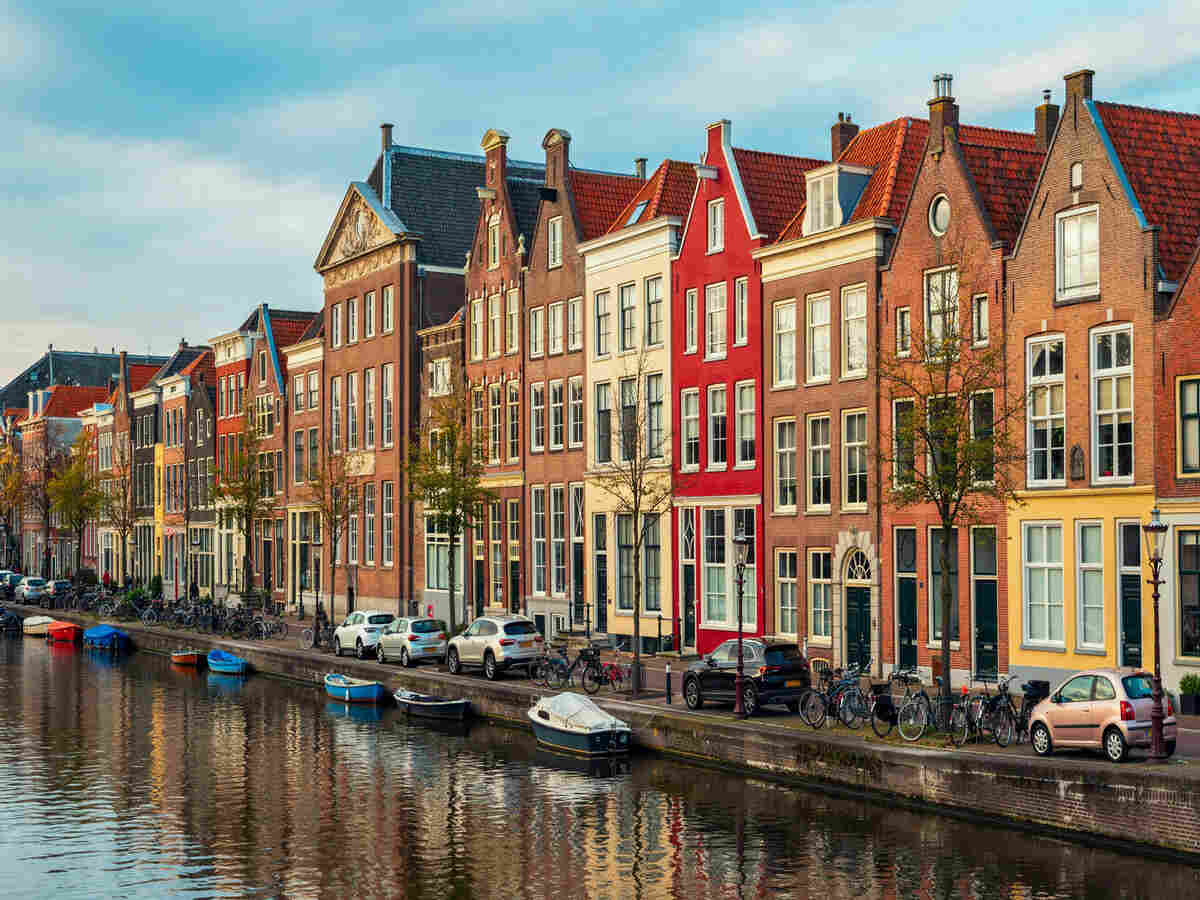
Airbnb and Cruise Ban Increases Across Europe, Favors Communities Over Tourism. The most recognizable landmarks in Europe are shifting from reactive to proactive policy measures. With the problems of increased housing shortages, strained infrastructure, and the loss of neighborhood character, countries in Europe have come together in a common ethos: residents’ quality of life trumps visitor quantity.
By pairing unprecedented short-term rental bans with heavy maritime levies, European governments are redefining the mechanics of travel. The transition marks a departure from marketing-driven tourism toward a model anchored in economic friction, structural limits, and strict regulatory oversight.
Advertisement
Advertisement
The Continental Pivot Toward Restrictive Tourism Frameworks
For over two decades, European travel expanded through cheap flights, digital booking platforms, and low regulatory barriers. While this influx generated substantial revenue, it created disproportionate burdens on historic city centers and island ecosystems built centuries before mass transit.
The strategy behind the current policy wave relies on three main tactics:
Advertisement
Advertisement
- Supply Contraction: Restricting or eliminating tourist accommodation inventory in residential zones.
- Targeted Taxation: Imposing escalating operational and access fees on high-volume, low-impact visitor segments like single-day cruise passengers.
- Legal Harmonization: Aligning municipal ordinances with national databases to ensure automated enforcement across platform ecosystems.
Through these mechanisms, nations are deliberately raising the baseline cost of entry to reduce raw visitor density while preserving long-term cultural and ecological assets.
Netherlands: Reclaiming City Centers Through Radical Night Caps and Port Reductions
The Netherlands has moved from public awareness campaigns to aggressive legislative interventions, establishing some of the strictest urban tourist caps in the world.
Advertisement
Advertisement
Short-Term Rental Constraints
In Amsterdam, municipal authorities have systematically dismantled the financial incentive for short-term residential leasing:
- 30-Night Citywide Cap: Primary residences across the municipality are restricted to a maximum of 30 rental nights per calendar year.
- 15-Night Micro-Zone Reductions: In eleven central districts—including Centrum, De Pijp, and the Canal Ring—the annual allowance has been halved to just 15 nights.
- Automated Cross-Checking: Platform listings must sync directly with municipal registry data; unregistered units face immediate delisting and severe administrative fines.
Cruise Line Restrictions and Port Relocation
The Dutch approach to maritime tourism focuses on reducing the immediate operational load on city infrastructure:
Advertisement
Advertisement
- Port Call Ceilings: Sea-cruise visits to the central terminal have been capped at 100 calls annually, down from over 200 in previous years.
- Day Tourist Levies: Passengers disembarking for day visits face a €15 per-person entry fee.
- Terminal Relocation Plan: The central cruise port is scheduled for complete relocation outside the city core by 2035 to eliminate heavy pedestrian traffic near historic canal rings.
Sustainable Tourism Advancements
Beyond restrictions, the Netherlands is redirecting capital into urban renewal. Revenue raised through one of Europe’s highest tourist taxes—projected to reach up to 20% by 2030—is directly funneled into municipal housing funds, heritage preservation, and the buyout of tourist-centric retail storefronts to restore everyday commercial utility for local residents.
Greece: Structural Reform and Maritime Levies After Urban Tragedies
Greece’s transition to strict tourism oversight gained critical momentum following high-profile safety failures and severe housing pressure in major urban centers and island destinations.
          [ Local Tax Database (AADE) ]
                       │
                       ▼
         [ Automated Registry Number ]
                       │
                       ▼
       [ Mandatory Platform Display (AMA) ]
                       │
                       ▼
 [ Physical On-Site Safety & Code Verification ]
Short-Term Rental Oversight and Licensing Freezes
Greece has fundamentally altered how short-term rentals operate, shifting them from informal arrangements to regulated commercial inventory:
- Central Athens Moratorium: New short-term rental permits have been frozen across the historic core of Athens, preventing further residential conversions.
- Tax Integration: Every listing must display a verified Property Registry Number (AMA) generated by the Independent Authority for Public Revenue (AADE), linking booking activity directly to national tax compliance.
- Strict Property Mandates: Properties must comply with updated building codes, fire prevention standards, and electrical safety measures, transitioning enforcement from simple digital disclosures to physical verification.
Island Protection and Cruise Passenger Disincentives
To protect fragile island ecosystems during peak periods, the Greek government introduced tiered maritime entry controls:
Advertisement
Advertisement
- Peak Season Cruise Fees: Cruise passengers disembarking on high-density islands like Santorini and Mykonos pay a €20 entry fee during the peak summer months (June through September).
- Disembarkation Limits: Santorini enforces an absolute ceiling of 8,000 cruise ship visitors per day to prevent structural overload on cliffside villages and transport systems.
Sustainable Tourism Advancements
Greece replaced its standard stayover tax with a dynamic Climate Resilience Fee. Scaled by property classification and season, fees reach up to €15 per night for luxury accommodations and large rental units during peak months. Off-peak travel fees are discounted by up to 75%, actively redistributing visitor traffic to winter months while raising dedicated funds for climate adaptation and infrastructure restoration in vulnerable regions.
Spain: The Phase-Out of Tourist Apartments and Island Access Caps
Spain stands at the forefront of urban housing defense, deploying structural legal mechanisms to return entire property inventories to long-term residents.
Structural Housing Enforcement
- The Barcelona Phase-Out: Barcelona has enacted a complete phase-out of short-term rental properties. By November 2028, all 10,101 active tourist apartment licenses will expire without the option for renewal, systematically returning those properties to the long-term residential market.
- National Registration Framework: All short-term properties nationwide must hold a National Registration Number (NRU). Listings operating without valid verification face fines ranging from €10,000 to €60,000.
- City Center Freezes: Major urban areas, including Madrid and Valencia, have enacted multi-year freezes on new short-term rental licenses within central historic boundaries.
Regional Access Caps and Ecological Limits
- Balearic Islands Density Controls: Major destinations like Mallorca and Ibiza have frozen overall tourist bed capacity, capping total island accommodations and making it illegal to create new beds even through property conversions.
- Maritime Access Limitations: Regional ports have placed hard restrictions on dual-ship dockings, preventing multiple ultra-large cruise vessels from offloading passengers simultaneously.
Sustainable Tourism Advancements
Spain’s strategy prioritizes environmental restoration and residential stability over raw volume. Municipalities are deploying tax revenues from tourism to subsidize public transit for residents, finance low-income housing construction, and enforce strict water usage caps on high-density commercial resorts during drought periods.
France: Municipal Autonomy and Tax Allowance Reductions
France has empowered local municipalities with direct legal tools to curb commercial short-term leasing and restrict high-emission transport.
Tax Reform and Operational Caps
- Night Allowances Slashed: Paris reduced the maximum annual rental cap for primary residences from 120 nights down to 90 nights.
- Elimination of Tax Advantages: National tax reforms have substantially reduced long-standing tax deductions for unclassified short-term furnished rentals, eliminating the fiscal advantage short-term rentals held over traditional long-term leases.
- Commercial Registration Zones: Municipalities with over 20,000 residents are authorized to mandate change-of-use permits, requiring owners who convert residential apartments into short-term rentals to purchase an equivalent amount of commercial space and convert it back into long-term residential housing.
Sustainable Tourism Advancements
France has redirected its national tourism strategy toward low-carbon transit networks. Short-haul domestic flights that can be covered by a direct train ride in under two and a half hours have been banned, encouraging regional train travel and reducing the carbon footprint of regional tourism.
Italy: Unified Identification Codes and Anti-Clustering Measures
Italy has introduced national digital tracking frameworks alongside strict local access controls in its most congested historic centers.
Advertisement
Advertisement
National Tracking and Fiscal Penalties
- Mandatory Identification Codes (CIN): Italy requires every short-term rental property to display a National Identification Code (CIN). This code must appear on all online listings and be physically mounted outside the property entrance. Operating without a CIN carries fines of up to €8,000.
- Increased Fiscal Rates: The tax rate on short-term rentals operated by individuals managing multiple properties has been raised to 26%, curbing institutional investment in residential real estate.
Urban Entry Protocols and Group Limits
- Venice Access Fees: Venice has expanded its dynamic day-tripper entry fee system, charging unreserved non-overnight visitors up to €10 on peak travel days.
- Tour Group Restrictions: Cities including Venice and Florence have banned loudspeaker usage for tour guides and capped walking tour group sizes at 25 people to reduce congestion in narrow historic thoroughfares.
Sustainable Tourism Advancements
Italy’s regulations focus on dispersing visitor traffic away from overburdened artistic capitals toward lesser-known rural regions. National funding is channeled into the Borghi project, an initiative designed to restore historic mountain villages, upgrade digital infrastructure, and encourage slow travel along heritage rail corridors.
Comparative Matrix: European Regulatory Responses
| Country | Primary Airbnb / Short-Term Rental Restriction | Maritime & Cruise Controls | Key Financial / Environmental Levy |
| Netherlands | 30-night annual cap in Amsterdam; 15 nights in central zones | Capped at 100 calls/year; terminal relocation plan | €15 day-tourist fee; up to 20% hotel tax planned |
| Greece | Permit freeze in central Athens; mandatory AADE tax integration | €20 peak season disembarkation fee; 8,000 daily passenger cap on Santorini | Seasonal Climate Resilience Fee up to €15/night |
| Spain | Complete phase-out of 10,000+ licenses in Barcelona by 2028 | Hard caps on simultaneous multi-ship dockings in Balearics | Fines up to €60,000 for unregistered properties |
| France | Primary residence cap lowered to 90 nights in Paris | Local limits on mega-cruise port calls | Elimination of favorable tax deductions for unclassified rentals |
| Italy | Mandatory national CIN code on listings and building exteriors | Entry registration system for day-trippers in Venice | Elevated 26% tax rate on multi-property operators |
The EU-Wide Horizon: Data Integration and Systemic Shift
The individual policies adopted by the Netherlands, Greece, Spain, France, and Italy reflect a unified European model. Strengthened by the full implementation of EU Regulation 2024/1028, digital platforms are now legally required to share automated monthly host activity data with national tax authorities across all member states. Unregistered or non-compliant listings are systematically identified and removed from digital marketplaces.
Airbnb regulations and cruise tourism taxes get tightened in Europe as nations align to safeguard local accommodation and promote sustainable tourism.
It is a move that signifies a paradigm shift in terms of tourism management in Europe. By curbing residential properties from being transformed to tourism purposes, taxing heavy transit traffic channels, and allocating money to climate adaptation and infrastructure development, European countries have clearly drawn a line regarding tourism.
Advertisement
