

Ho Chi Minh City’s War Remnants Museum: A Treasure Trove for Global Travellers in Vietnam Standing as a Testimony to Soul Stirring Historical Truths and Human Suffering

Published
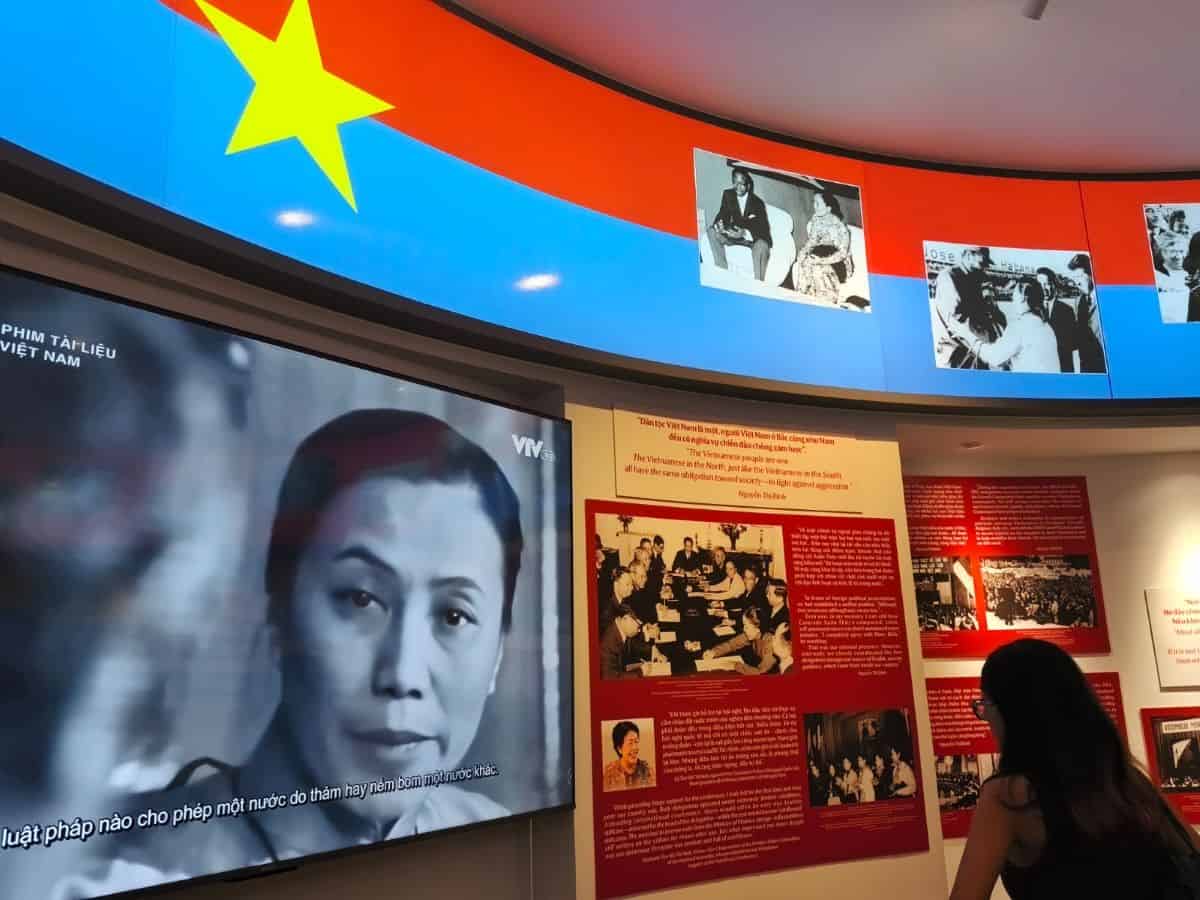
Vietnam and United States history draws global travellers to the War Remnants Museum Ho Chi Minh City. The landmark facility stands at twenty-eight Võ Văn Tần Street in urban District Three.
Figures from the Vietnam National Authority of Tourism show over one million annual visitors. Ministry officials manage the complex within the official national museum system framework. International visitors consistently rank the museum among the top historical destinations in Vietnam. Broad displays present documented historical evidence spanning several decades of regional conflict.
Advertisement
Advertisement
Independent travellers gain profound insights into mid-twentieth-century South East Asian history.
District Three Cultural Context and Urban Access
The establishment occupies a quiet leafy corner of central Ho Chi Minh City. District Three features broad tree-lined avenues and French colonial villa architecture. District Three remains a celebrated culinary and architectural precinct within southern Vietnam. Shaded boulevards showcase French colonial architecture and bustling sidewalk cafes. Travellers can sample traditional Vietnamese iced coffee at local cafes surrounding the complex. Walking paths connect District Three directly with iconic landmarks in central District One.
Advertisement
Advertisement
Visitors easily reach the grounds on foot from the nearby Independence Palace. Walking between these key sites takes roughly ten minutes along shaded footpaths. Local ride-hailing services provide direct affordable transport from District One hotels. Public municipal buses stop within two blocks of the main ticketing terminal. Tour operators recommend arriving early in the morning to avoid midday heat. Morning visits also help travellers beat large tour bus arrivals during peak season.
Architectural Evolution and State Preservation
Vietnamese state authorities founded the institution on four September nineteen seventy-five. Initial administration opened the site as the Exhibition House for U.S. War Crimes. Government officials renamed the venue in nineteen ninety to broaden archival scope. Bilateral diplomatic relations between Vietnam and the United States normalized in nineteen ninety-five. State curators then adopted the current name during diplomatic normalization efforts.
Advertisement
Advertisement
Today the institution maintains membership in the International Council of Museums network. Ministry archives house over twenty thousand physical artifacts and rare film reels. Professional preservation teams store fragile paper records in climate-controlled underground vaults. Standard cataloguing procedures ensure artifacts meet international conservation standards. State budgetary allocations fund ongoing facility upgrades and structural maintenance efforts. Annual reports show steadily increasing visitor numbers from domestic and foreign delegations.
Navigating the Courtyard Military Hardware
The outdoor courtyard exhibits decommissioned aircraft and heavy armored vehicles. Visitors inspect an authentic UH-one Huey helicopter upon entering the main gate. Displays feature an F-five A jet fighter alongside an A-thirty-seven Dragonfly bomber. Heavy weaponry displays include an Mforty-eight Patton battle tank and field artillery. Deactivated ordnance showcases disarmed BLU-eighty-two Daisy Cutter bomb casings weighing six tonnes.
Advertisement
Advertisement
Courtyard walkways lead travellers toward an authentic Côn Đảo tiger cages replica. The concrete prison cells illustrate severe confinement conditions endured by political prisoners. An adjacent French colonial guillotine stands as evidence of earlier colonial penal practices. Informational signage provides precise historical context prepared by national research historians. Courtyard walkways allow visiting crowds to inspect heavy defense equipment from all sides.
Agent Orange Dioxin Exhibition and Human Impact
The upper floor accommodates dedicated permanent galleries focusing on chemical defoliants. Visitors can explore the Agent Orange dioxin exhibition across several specialized halls. Exhibits document Operation Ranch Hand history through original operational maps and archival records. Ministry of Defence records confirm military forces sprayed over one hundred million litres. Toxic spray operations targeted dense primeval tropical forests and vital agricultural lands.
State environmental data indicates Agent Orange comprised over sixty per cent of chemicals. Reports estimate dioxin contamination reached up to three hundred eighty-six kilograms total. Ministry of Health studies confirm four point eight million citizens experienced chemical exposure. Official figures report three million victims suffered chronic debilitating illnesses and birth defects.
The gallery displays sixty-six original photographs, twenty historical documents, and biological samples. A ground floor craft shop sells items made by individuals affected by dioxin. Proceeds from souvenir sales directly fund local vocational training and medical support services.
Advertisement
Advertisement
Photography Archives and Photojournalism Legacy
The Requiem photojournalism gallery honours international media representatives lost during combat operations. Exhibits showcase striking imagery taken by one hundred thirty-four photojournalists from eleven nations. Photographers provided unfiltered global news coverage before losing their lives in the field.
Adjacent halls display historical evidence of world anti-war movements and peace rallies. Exhibited artifacts record international diplomatic solidarity efforts supporting peace between nineteen fifty-four and seventy-five. Visitors view historic news clippings, peace posters, and official diplomatic correspondence files.
Essential Vietnam Museum Visitor Information

Comprehensive visitor services cater to international travellers throughout the calendar year. Accurate Vietnam museum visitor information helps foreign tourists plan efficient educational visits. Ticket counters accept cash payments in local currency alongside major electronic payment cards. Audio devices provide narrated gallery walking tours in six major foreign languages. Information desks offer multilingual maps and brochure materials printed in several languages.
Practical Planning Metrics for Travellers
| Metric Parameter | Official Data Detail |
| Official Address | 28 Võ Văn Tần Street, Ward Xuân Hòa, District 3, Ho Chi Minh City |
| Operating Hours | 07:30 to 17:30 daily throughout the year |
| Standard Admission | 40,000 VND (~1.70 USD) with concessions for students |
| Audio Guide Languages | English, French, Chinese, Japanese, Korean |
| Annual Visitor Volume | Exceeds 1,000,000 visitors based on national tourism statistics |
Visitor Etiquette and Ethical Travel Guidance
Courteous behaviour and respectful quiet conduct remain essential throughout all exhibition halls. Modest attire covering shoulders and knees aligns with local Vietnamese cultural norms. Photography is strictly prohibited in specific photo halls to protect delicate archival prints. Flash photography remains banned inside all indoor permanent exhibition rooms year-round. Explicit images of war trauma require parental discretion when visiting with young children. Visitors should allow at least two hours to explore all three display levels.
Essential Travel Itineraries in Ho Chi Minh City
This comprehensive Ho Chi Minh City travel guide provides essential logistical details for visitors. Independent travellers often pair museum visits with full-day city walking tours. Morning itineraries frequently begin at the historical Saigon Central Post Office nearby. Travellers walk past Notre-Dame Cathedral Basilica before arriving at the museum gates. Afternoon travel plans routinely combine city exhibits with trips to Củ Chi Tunnels. Express bus connections link District Three directly with suburban historical tunnel sites daily. Local travel agencies organise seamless combined guided day tours for foreign visitors.
Lasting Legacy and Global Travel Relevance
Educational journeys through the complex offer deep historic awareness for international travellers. Diplomatic reconciliation between nations reinforces the venue’s ongoing role as a peace sanctuary. Ongoing state research ensures historical displays maintain academic accuracy and cataloguing standards. A thoughtful visit to the War Remnants Museum Ho Chi Minh City provides essential perspective.
Advertisement
