
Hundreds of Travelers Impacted Around Middle East as 63 Cancellations and 801 Delays Hit Doha, Muscat and More Airports

Updated
Published
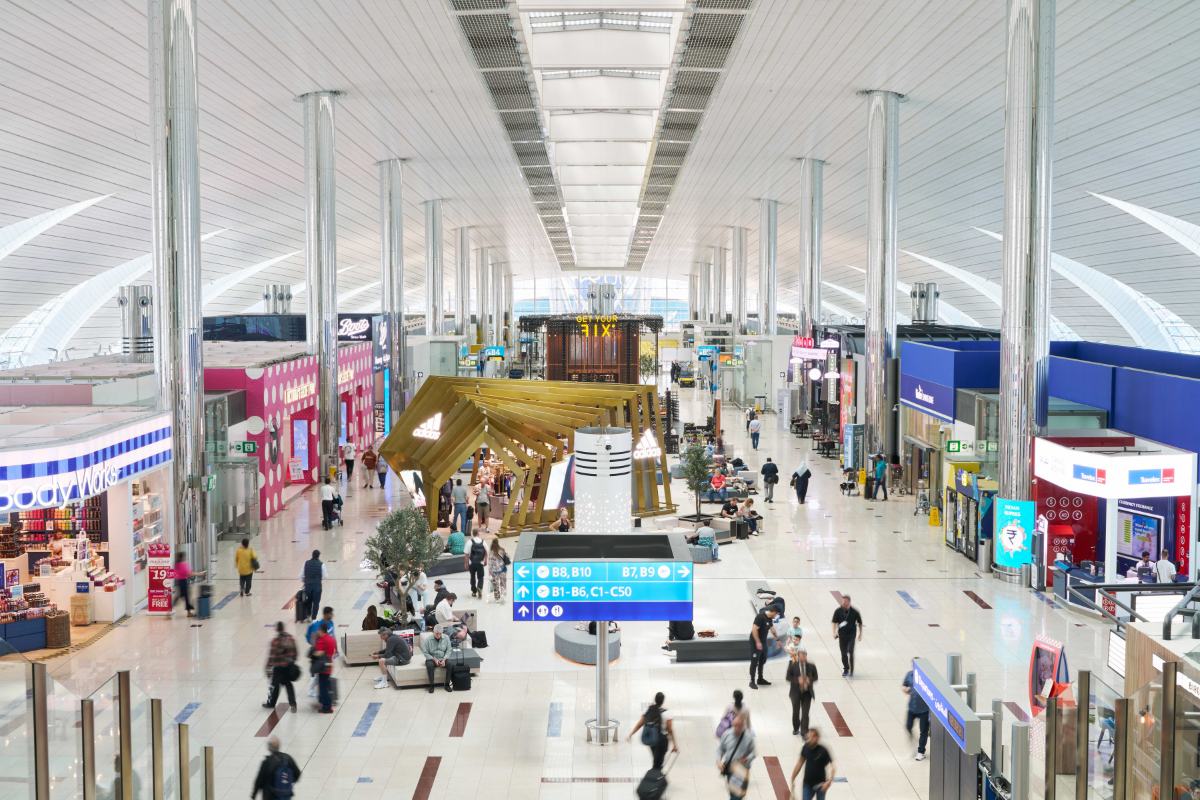
Major airports in the Middle East, including Doha, Muscat, and others, are seeing 801 delays and 63 cancellations, disrupting hundreds of travelers. Key aviation hubs in Saudi Arabia, the United Arab Emirates, Qatar, Oman, and Kuwait have been affected by the interruption; airlines are handling schedule modifications as a result of operational demands, regional airspace issues, and network modifications. Passengers are encouraged to keep a close eye on flight updates as airport operations continue to be under pressure, and major carriers continue to encounter delays. Both direct travel and international connections via important Middle Eastern hubs are impacted by the situation, which underscores persistent difficulties for regional connectivity.
Dubai, Jeddah, Doha and Riyadh Airports across Middle East Experience the Highest Impact
The disruption has been most visible at major international airports that serve as key transit points between Asia, Europe, Africa and the Middle East.
Advertisement
Advertisement
Dubai International Airport recorded the highest number of delays among the airports analysed, with 253 delayed flights and 5 cancellations. As one of the world’s busiest international aviation hubs, disruption at Dubai can create wider network effects for connecting passengers and long-haul operations.
King Abdulaziz International Airport in Jeddah, Saudi Arabia, recorded 143 delays and 15 cancellations, making it one of the most affected airports for cancelled services. The airport serves as a major gateway for domestic and international travellers, including passengers connecting through Saudi Arabia.
Advertisement
Advertisement
Hamad International Airport in Doha, Qatar, reported 123 delays and 6 cancellations, affecting operations at a major global transit hub operated around the network of Qatar Airways.
Abu Dhabi International Airport also experienced significant pressure, with 110 delays and 1 cancellation. The airport’s disruption has impacted Etihad Airways operations and wider connecting schedules.
Advertisement
Advertisement
King Khalid International Airport in Riyadh recorded 102 delays and 13 cancellations, highlighting disruption at another major Saudi aviation centre.
Other affected airports included Abha Regional Airport with 27 delays and 8 cancellations, Kuwait International Airport with 29 delays and 1 cancellation, and Seeb International Airport in Muscat with 14 delays and 2 cancellations. Smaller Saudi airports also reported cancellations, including Gizan Regional Airport with 8 cancellations and Najran Domestic Airport with 4 cancellations, despite recording no delays.
Airports, Cities and Countries across Middle East Facing Travel Pressure
The disruption has affected multiple aviation markets across the Middle East.
In the United Arab Emirates, Dubai and Abu Dhabi experienced the strongest impact. Dubai’s 253 delays made it the busiest affected airport by disruption volume, while Abu Dhabi recorded 110 delays. These cities play a critical role in global aviation, connecting passengers between Asia, Europe, Africa and North America.
In Saudi Arabia, the impact spread across Jeddah, Riyadh, Abha, Gizan and Najran. Jeddah recorded the highest cancellations among all airports with 15 cancellations, while Riyadh followed with 13 cancellations. The pattern shows pressure across both international and domestic operations.
Qatar’s Doha hub recorded 123 delays, reflecting disruption at one of the region’s most important international transfer points.
Advertisement
Advertisement
Oman and Kuwait recorded comparatively lower disruption levels, but passengers still faced operational changes. Kuwait International Airport reported 29 delays and 1 cancellation, while Muscat’s Seeb International Airport recorded 14 delays and 2 cancellations.
The operational situation across the region has been linked to wider aviation pressures, including schedule adjustments, route changes and precautionary operational decisions by airlines.
| Airport | Origin Cancellations (%) | Destination Cancellations (%) |
|---|---|---|
| King Abdulaziz Int’l (JED) | 2% | 1% |
| King Khalid Int’l (RUH) | 1% | 1% |
| Abha Regional (AHB) | 8% | 8% |
| Gizan Regional (GIZ) | 50% | 57% |
| Hamad Int’l (DOH) | 0% | 0% |
| Dubai Int’l (DXB) | 0% | 0% |
Emirates, Etihad, Qatar Airways and Saudia Among Airlines Affected
Major Middle East airlines recorded delays and cancellations as operational challenges affected regional networks.
Emirates, based in the UAE, recorded 3 cancellations (0%) and 137 delays (25%), making it the airline with the highest number of delays among the carriers analysed.
Etihad Airways reported 1 cancellation (0%) and 93 delays (27%), with its delay percentage the highest among the listed airlines.
Qatar Airways recorded 6 cancellations (0%) and 103 delays (15%), reflecting disruption at its Doha-based operations.
Advertisement
Advertisement
Saudia experienced 27 cancellations (4%) and 73 delays (13%), making it the airline with the highest cancellation count in the airline data provided.
Other affected carriers included:
| Airline | Country | Cancellations (#) | Cancellations (%) | Delays (#) | Delays (%) |
|---|---|---|---|---|---|
| Saudia | Saudi Arabia | 27 | 4% | 73 | 13% |
| Qatar Airways | Qatar | 6 | 0% | 103 | 15% |
| Emirates | UAE | 3 | 0% | 137 | 25% |
| Etihad Airways | UAE | 1 | 0% | 93 | 27% |
| FlyDubai | UAE | 1 | 0% | 66 | 21% |
| Oman Air | Oman | 2 | 2% | 1 | 1% |
| Royal Jordanian | Jordan | 1 | 0% | 9 | 6% |
The disruption reflects how delays at major Gulf hubs can quickly affect airline schedules because many passengers rely on these airports for connecting journeys.
What Affected Passengers Should Do Now
Passengers travelling through affected Middle East airports should take several steps to manage possible delays or cancellations.
Travellers should first check their flight status directly through their airline’s official website, mobile application or customer communication channels. Airport information screens and third-party tracking services may not always reflect the latest changes.
Passengers with delayed flights should:
Advertisement
Advertisement
- Confirm updated departure times before travelling to the airport.
- Enable airline notifications through SMS, email or mobile applications.
- Avoid arriving without checking possible schedule changes.
- Keep booking confirmations, boarding passes and airline communication records.
- Contact the airline immediately if a cancellation affects onward connections.
- Review rebooking options before making independent travel arrangements.
Passengers affected by cancellations should contact airlines for available alternatives, including possible rebooking options or refunds based on airline policies and applicable passenger rights.
Data Verification Notice
The data has been extensively curated by our editorial team using real-time aviation figures recorded on 6 September 2026 at 4:31 pm ET USA (7 September 2026, 12:32 am GST).
Primary Source: FlightAware.
Verification Protocol: All statistics have been independently reviewed and cross-checked by our human editorial desk. Timestamped records, data logs and feed snapshots are securely archived internally to support historical accuracy and editorial transparency.
Note: Real-time flight-tracking figures reflect active airspace and operational data. Minor variations may occur when compared with information displayed at individual airport terminals or airline departure gates.
Stay informed with the latest daily updates on Asia flight cancellations and travel disruptions. Explore our recent aviation reports and follow the latest developments in middle east air travel.
Advertisement
Verified by Tuhin Sarkar
