
Puerto Rico Aligns With Caribbean And Latin America To Boost Cruise Tourism And Expand Local Benefits

Published
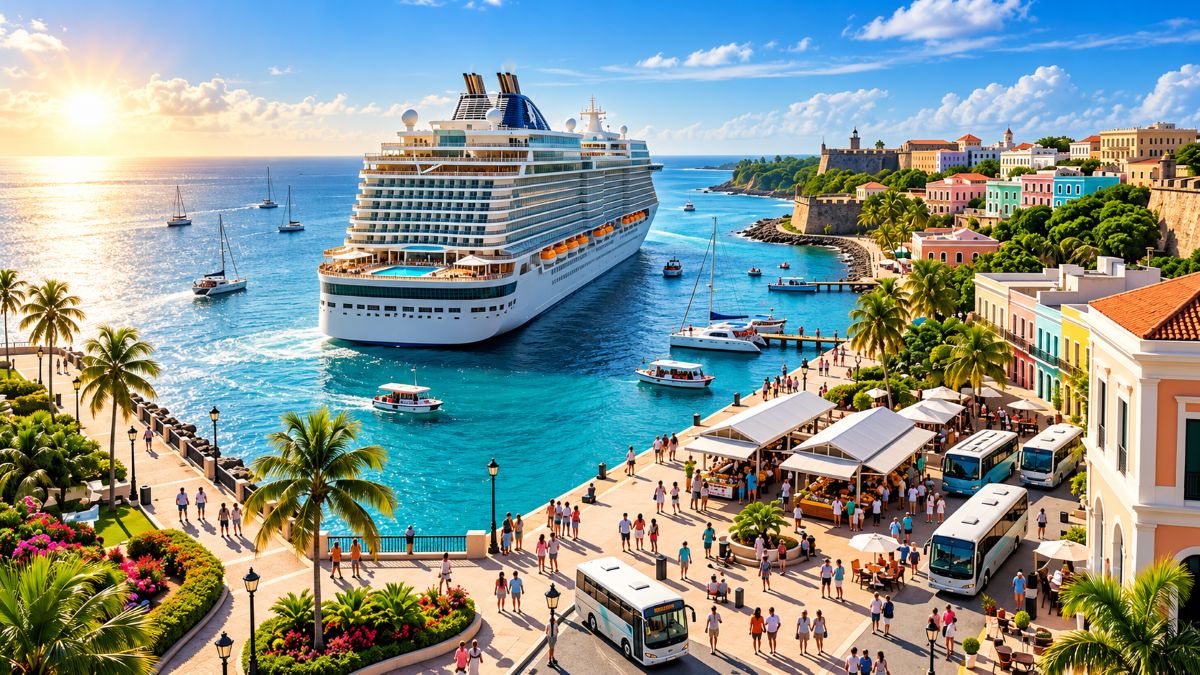
Puerto Rico has brought Caribbean and Latin American cruise tourism into sharper focus as industry leaders seek to convert rising passenger demand into lasting economic opportunities. The 32nd annual Florida-Caribbean Cruise Association Cruise Conference and Trade Show, held in San Juan from 12 to 16 October 2026, gathered nearly 700 cruise executives, government officials, port operators, tour providers and other stakeholders to discuss the future of destination-led growth.
The conference came as global cruise passenger numbers were projected to rise from approximately 37 million in 2025 to 46 million by 2031. Discussions centred on destination experiences, port efficiency, local business participation and closer cooperation between cruise companies and public authorities. For Puerto Rico and neighbouring destinations, the challenge is to ensure that expanding visitor numbers translate into meaningful community benefits rather than simply higher passenger traffic.
Cruise Passenger Growth Creates Regional Opportunities
The projected increase in cruise passengers offers a significant opportunity for Caribbean and Latin American destinations with established tourism infrastructure, distinctive cultural attractions and accessible ports. However, passenger growth alone does not guarantee stronger local economies. Destinations must develop services that encourage visitors to spend money with local businesses while maintaining the quality of the experiences that attract travellers.
At the San Juan conference, destination partnerships emerged as a central theme. Adam Ceserano, president of the Florida-Caribbean Cruise Association, emphasised the importance of variety, authenticity and memorable experiences in cruise holidays. His remarks reflected a broader industry priority: cruise itineraries must offer more than attractive coastlines. Local cuisine, cultural performances, historic districts, guided excursions and interactions with residents can help destinations differentiate themselves in a competitive market.
Advertisement
Advertisement
The opportunity extends beyond traditional sightseeing. Ports that work closely with transport providers, hospitality businesses and excursion operators can develop visitor experiences that benefit a wider range of enterprises. This approach could help Caribbean and Latin American destinations strengthen their position as cruise demand increases over the coming years.
San Juan Conference Highlights Destination Partnerships
The conference’s President and CEO Leadership Panel brought together representatives from Carnival Cruise Line, Margaritaville at Sea, MSC Cruises, Norwegian Cruise Line and Virgin Voyages. Discussions examined deployment priorities, changing passenger expectations and the role of destination partnerships in shaping itineraries.
Advertisement
Advertisement
For cruise companies, destination selection affects the overall appeal of a voyage. For governments and tourism authorities, collaboration offers an opportunity to understand the requirements of operators while promoting local attractions and commercial interests. Better coordination can help destinations prepare for changing travel patterns and develop experiences that suit different passenger segments.
Puerto Rico’s role as host also placed its cultural identity in the spotlight. Music, cuisine and heritage featured throughout the event, including its opening ceremony and receptions. Such presentations illustrated how cultural experiences can support a destination’s tourism identity while providing opportunities for performers, restaurants, guides and other local participants.
Advertisement
Advertisement
The discussions did not establish that every destination would receive new cruise calls or investment. Instead, they highlighted potential areas of cooperation that destinations and operators can pursue as commercial priorities and passenger preferences evolve.
Port Infrastructure Shapes The Passenger Experience
Cruise tourism begins before passengers step ashore. Terminal design, passenger processing, baggage handling, transport connections and the quality of the welcome can influence visitors’ impressions of a destination.
A conference session titled Building Your Port into an Unforgettable Experience examined how operational efficiency and local participation can improve the visitor journey. Discussions included language training, customer service and opportunities for local artisans, restaurants and cultural performers to participate in the tourism economy.
These practical considerations matter because a destination’s appeal depends partly on how easily passengers can move from the ship to local attractions. Delays, confusing transport arrangements and limited accessibility can reduce the time available for excursions and spending. Efficient terminals and clear visitor information can help address these challenges.
Advertisement
Advertisement
Investment decisions must nevertheless reflect local circumstances. Destinations need to assess passenger volumes, infrastructure capacity, environmental pressures and the needs of residents before expanding facilities. Cruise tourism development is most effective when operational improvements support both visitor satisfaction and the long-term interests of host communities.
Homeporting Could Widen Economic Benefits
Homeporting was another important subject at the San Juan gathering. Unlike destinations that primarily receive ships for short visits, homeports serve as the starting or ending points of cruise itineraries. This arrangement can create additional demand for accommodation, ground transport, food supplies and other services.
Hotels may benefit when passengers arrive before departure or stay after disembarkation. Transport companies can serve travellers moving between airports, hotels and terminals, while provisioning businesses may supply food and other goods to vessels. Tour operators can also develop pre-cruise and post-cruise packages that encourage visitors to explore the surrounding area.
However, these opportunities depend on effective coordination among cruise lines, airports, port authorities, transport providers and public agencies. Reliable passenger handling, baggage systems and transport connections are important to the overall experience.
Homeporting should therefore be treated as a strategic development opportunity rather than an automatic outcome of cruise industry growth. Destinations must evaluate their capacity, market demand and infrastructure requirements before committing resources to attract or accommodate additional operations.
Technology And Luxury Experiences Expand The Offer
Technology featured in discussions about improving destination experiences. Immersive attractions, digital storytelling and artificial intelligence-powered visitor guidance were identified as tools that could help passengers discover local attractions and navigate unfamiliar places.
Advertisement
Advertisement
Digital services may provide information about cultural sites, excursion options and transport arrangements, potentially making short port calls easier to organise. Their effectiveness, however, depends on reliable information, accessibility and appropriate integration with local tourism services. Technology should complement knowledgeable guides and authentic community experiences rather than replace them.
Luxury cruise tourism also received attention. Travellers seeking personalised service may value carefully curated excursions, distinctive dining experiences and opportunities to engage with local culture. Such offerings can create commercial opportunities for specialist operators, provided that destinations maintain quality and deliver experiences consistent with visitor expectations.
Smaller businesses could benefit from these developments, although access to cruise passengers may require training, operational investment and partnerships with larger tourism providers. Inclusive planning can help ensure that new visitor services create opportunities beyond established operators.
Economic Impact Depends On Local Participation
An Oxford Economics presentation at the conference examined cruise tourism’s contribution through visitor spending, employment and local business development. These areas provide important measures for understanding the industry’s wider economic significance.
The benefits are not distributed automatically. Spending may vary according to passenger behaviour, excursion arrangements, port charges and the extent to which supplies are sourced locally. Destinations therefore need reliable economic assessments to understand how much value remains within their communities.
Michele Paige, chief executive of the Florida-Caribbean Cruise Association, highlighted the importance of partnerships and a shared commitment to growth that benefits destinations and their people. Puerto Rico Governor Jenniffer González Colón and the Puerto Rico Tourism Company were recognised for their role in hosting the conference.
Advertisement
Advertisement
For regional tourism planners, the next step is to translate discussions into measurable outcomes. These may include stronger local procurement, workforce development, improved passenger services and transparent monitoring of economic and environmental effects. Such measures can help destinations assess whether cruise tourism is supporting broader development objectives.
What Caribbean And Latin American Destinations Must Consider Next
The outlook for cruise tourism across the Caribbean and Latin America remains closely linked to passenger demand, itinerary decisions and the ability of destinations to deliver consistent experiences. The projected rise to 46 million global cruise passengers by 2031 offers a useful indication of potential market expansion, but it should not be interpreted as a guaranteed increase for every destination.
Competition among ports is likely to make service quality, cultural distinctiveness and operational reliability increasingly important. Destinations that invest in local skills, transport connections and well-managed visitor attractions may be better positioned to turn cruise calls into wider tourism opportunities.
Environmental management and residents’ interests must also remain central. Increased ship visits can place pressure on transport networks, public spaces and sensitive coastal environments. Planning should consider carrying capacity, waste management and the protection of cultural and natural assets.
Puerto Rico’s conference has provided a platform for regional stakeholders to examine these challenges together. The longer-term test will be whether stronger partnerships lead to practical improvements in local business participation, visitor satisfaction and community prosperity.
Frequently Asked Questions
1. What was the FCCA Cruise Conference 2026?
Advertisement
Advertisement
It was the 32nd annual Florida-Caribbean Cruise Association Cruise Conference and Trade Show, bringing cruise industry leaders, government representatives, port operators and tourism businesses together in San Juan, Puerto Rico.
2. When was the conference held?
The event took place from 12 to 16 October 2026.
3. How many people attended the conference?
Nearly 700 cruise executives, government officials, port operators, tour providers and other stakeholders gathered for the event.
4. How many cruise passengers are projected globally by 2031?
Advertisement
Advertisement
Global cruise passenger numbers are projected to reach approximately 46 million by 2031, compared with about 37 million in 2025.
5. Why is cruise tourism important to Puerto Rico?
Cruise tourism can support visitor spending, hospitality, transport services, cultural attractions and local businesses, although the scale of benefits depends on how tourism activity is managed.
6. What is homeporting in cruise tourism?
Homeporting occurs when a destination serves as the starting or ending point of a cruise voyage. It can generate demand for hotels, transport, supplies and additional visitor experiences.
7. How can local businesses benefit from cruise passengers?
Advertisement
Advertisement
Restaurants, artisans, tour guides, cultural performers, transport providers and food suppliers can benefit by providing services and products to passengers and cruise operators.
8. What role can technology play in cruise tourism?
Digital storytelling, immersive attractions and artificial intelligence-powered visitor guidance can help passengers discover local attractions and access destination information.
9. Why is port infrastructure important for cruise destinations?
Efficient terminals, passenger processing, baggage handling, transport connections and customer service can improve visitor experiences and support smoother operations.
10. Does rising global cruise demand guarantee tourism growth for every destination?
No. Individual destinations must compete for itineraries, maintain infrastructure, manage environmental pressures and develop experiences that generate meaningful benefits for residents and businesses.
Advertisement
