
Dominica and a Few Other Caribbean Countries Are Waiting to Be Discovered as They Offer Quieter Beaches and Lower Visitor Density

Published
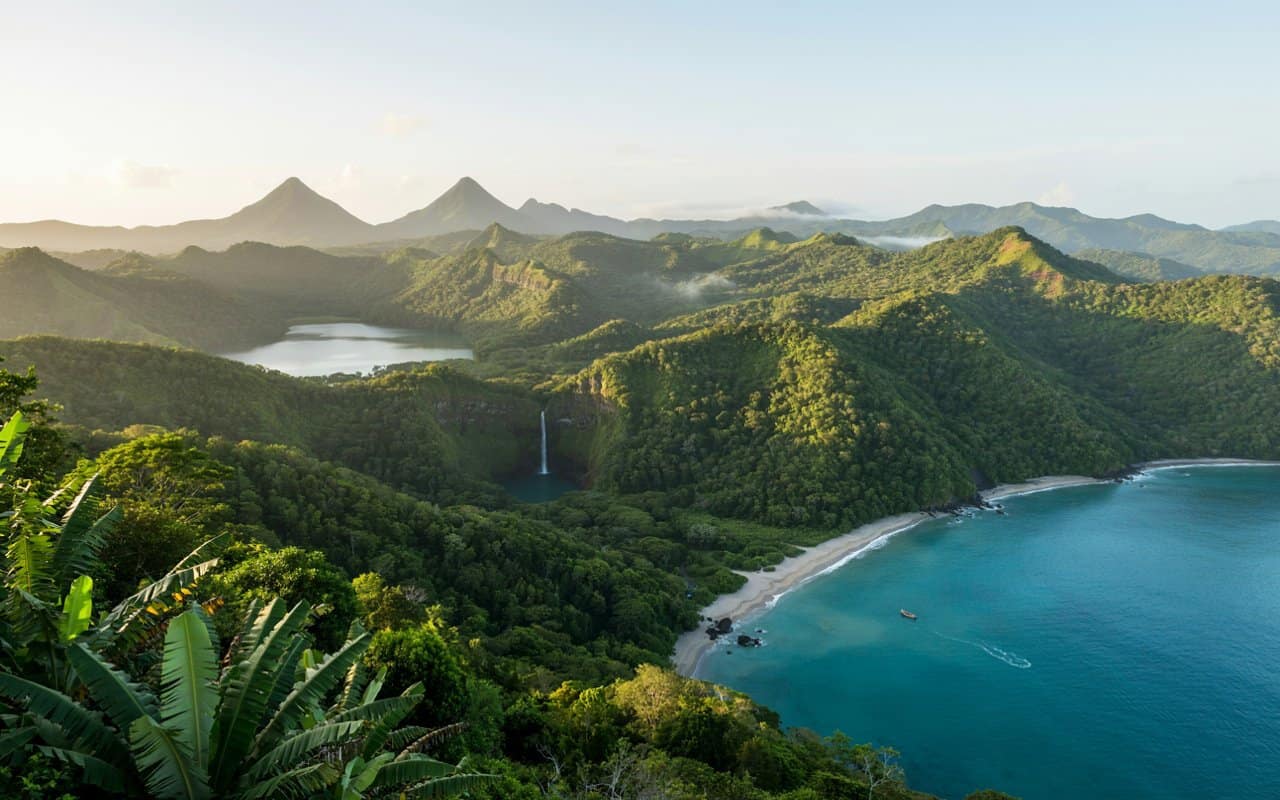
Image generated with Ai
The Caribbean remains one of the world’s most popular holiday regions, but several islands are attracting travellers precisely because they have not reached the level of mass tourism seen in destinations such as the Dominican Republic, Jamaica, Aruba and the Bahamas. In 2026, travellers seeking quieter beaches, authentic culture, nature experiences and smaller communities are increasingly looking towards islands with lower visitor density and expanding tourism infrastructure.
Smaller islands are creating new opportunities through sustainable tourism, cultural experiences and nature-based activities. Their growing appeal comes from a desire for slower journeys and deeper connections. As global travel preferences evolve, these destinations are becoming attractive choices for visitors seeking privacy, discovery and memorable island escapes away from traditional tourist centres.
Emerging Caribbean Destinations for 2026 That Still Feel Undiscovered
| Country / Island | Why It Is Emerging in 2026 | Tourism Identity | Crowd Level Compared With Major Caribbean Markets | Key Experiences | Infrastructure & Access Development | Best For |
|---|---|---|---|---|---|---|
| Dominica | One of the Caribbean’s fastest-growing nature-focused destinations, gaining attention for eco-tourism and adventure travel. Recent regional tourism analysis highlighted Dominica among destinations experiencing strong growth momentum. | “Nature Island” with rainforests, volcanic landscapes and wellness tourism | Low — far less crowded than Barbados, Jamaica or The Bahamas | Boiling Lake, rainforest hiking, waterfalls, diving, whale watching, hot springs | Improved tourism facilities and increasing air connectivity are supporting growth. (suntci.com) | Adventure travellers, eco-tourists, hikers, wellness seekers |
| Grenada | Known as a quieter alternative to larger Caribbean islands, with growing interest from luxury and experience-driven travellers. | Spice island, beaches, culture and boutique tourism | Low to medium — developed but not overwhelmed | Grand Anse Beach, spice plantations, underwater sculpture park, food tourism | Expanding accommodation options while maintaining a smaller-island feel | Couples, luxury travellers, food lovers |
| Saint Vincent and the Grenadines | A multi-island destination gaining attention for untouched beaches, sailing and premium travel experiences. | Island-hopping, sailing and exclusive escapes | Very low compared with neighbouring cruise-heavy destinations | Tobago Cays, private islands, diving, sailing routes | Growing aviation links and boutique resort development | Luxury travellers, sailors, honeymooners |
| Saint Lucia | Strong tourism performance and improved connectivity are increasing demand, while much of the island remains less crowded outside major resort areas. | Romantic landscapes, mountains, wellness and adventure | Medium — popular but still offers quieter areas | Pitons, volcanic attractions, rainforest tours, beaches, wellness resorts | Increased air access and tourism investment are supporting growth. | Couples, honeymooners, wellness travellers |
| Curaçao | Growing among travellers seeking culture, diving and European-Caribbean heritage rather than traditional resort holidays. Regional tourism reports list Curaçao among destinations showing strong performance. | Culture, diving, colourful architecture and beaches | Medium — less saturated than Aruba | Willemstad heritage district, diving, beaches, local cuisine | Expanding accommodation and international visitor interest | Culture seekers, divers, independent travellers |
| Anguilla | Maintains a high-end image while avoiding the volume tourism of larger islands. It is frequently associated with luxury travel demand. | Luxury beaches and exclusive stays | Very low — limited-scale tourism | Shoal Bay, sailing, fine dining, boutique resorts | Boutique-focused development rather than mass expansion | Luxury travellers, privacy seekers |
| Montserrat | One of the Caribbean’s least-developed tourism destinations, offering rare volcanic landscapes and authentic island life. | Volcano tourism, history and nature | Extremely low | Soufrière Hills Volcano, hiking, heritage sites | Small-scale tourism approach preserves authenticity | Explorers, photographers, slow travellers |
| Bonaire | Increasingly recognised for sustainable marine tourism and diving experiences. | Marine conservation and underwater tourism | Low compared with Aruba and Curaçao | Coral reefs, diving, marine parks, kayaking | Tourism development remains focused on environmental protection | Divers, nature lovers |
| Guyana | While geographically part of South America, it is increasingly included in Caribbean tourism discussions because of CARICOM links and regional travel growth. Recent tourism analysis highlighted Guyana as a strong-performing destination. | Rainforest, wildlife and adventure tourism | Very low | Kaieteur Falls, wildlife, indigenous culture, eco-lodges | Growing international tourism interest | Adventure travellers and nature explorers |
| Saint Kitts and Nevis | Offering a slower alternative to larger Caribbean markets through heritage, wellness and luxury experiences. | Heritage, beaches and wellness | Low to medium | Brimstone Hill Fortress, beaches, Nevis hot springs | Boutique tourism expansion | History lovers, couples, luxury travellers |
Why are travellers turning toward lesser-known Caribbean destinations in 2026?
The Caribbean travel landscape is changing as more visitors look beyond the region’s traditional holiday favourites. While destinations such as the Dominican Republic, Jamaica, Aruba and The Bahamas continue to attract millions of international travellers, a growing number of holidaymakers are searching for islands that provide more privacy, authenticity and connection with local communities.
In 2026, smaller Caribbean destinations are gaining momentum because they offer experiences that feel less commercialised. Travellers are increasingly interested in rainforest adventures, marine exploration, cultural heritage, wellness retreats and locally driven tourism rather than only large beachfront resorts.
Advertisement
Advertisement
This shift is creating new opportunities for islands that have historically remained outside the spotlight. Countries including Dominica, Grenada and Saint Vincent and the Grenadines are attracting visitors who want to explore untouched landscapes and experience Caribbean traditions at a slower pace.
Advertisement
Advertisement
The rise of remote work, luxury experiential travel and sustainable tourism has also supported demand for destinations with fewer crowds. Many travellers now consider the overall experience, environmental responsibility and cultural authenticity when choosing their next holiday.
As Caribbean tourism continues recovering and expanding, these emerging destinations are positioning themselves as alternatives for visitors seeking a more personal island experience before larger-scale tourism growth transforms their character.
What makes Dominica one of the Caribbean’s most promising destinations for 2026?
Dominica is becoming one of the region’s most recognised emerging destinations because it offers a completely different Caribbean experience. Known as the “Nature Island,” Dominica focuses heavily on its natural environment, including rainforests, mountains, rivers, volcanic landscapes and marine ecosystems.
Advertisement
Advertisement
Unlike destinations built primarily around large resorts and crowded beaches, Dominica attracts travellers through adventure and outdoor experiences. Visitors can explore hiking routes, discover waterfalls, visit hot springs and experience some of the Caribbean’s most unique ecological attractions.
The island’s volcanic geography creates opportunities for activities that are difficult to find elsewhere in the region. The famous Boiling Lake, rainforest trails and underwater experiences provide opportunities for adventure tourism while maintaining a strong connection with nature.
Advertisement
Advertisement
Dominica is also benefiting from growing interest in sustainable travel. Many modern travellers are looking for destinations that protect natural resources while supporting local communities. The island’s tourism model aligns with this demand by promoting environmentally responsible experiences.
Although visitor numbers remain lower than many neighbouring islands, improving tourism facilities and connectivity are helping Dominica become more accessible. For travellers seeking a Caribbean destination that combines adventure, tranquillity and authenticity, Dominica is increasingly becoming a leading choice for 2026.
Can Grenada become the next major Caribbean destination without losing its identity?
Grenada is gaining attention as a Caribbean island that successfully combines natural beauty, cultural heritage and relaxed tourism development. Often called the “Spice Island,” Grenada offers visitors a distinctive experience built around local traditions, cuisine and landscapes.
The island’s appeal comes from its ability to provide modern tourism facilities while maintaining a strong sense of place. Travellers can explore spice plantations, enjoy local food experiences, visit historic areas and relax along famous beaches without the level of congestion found in some larger Caribbean destinations.
Grand Anse Beach remains one of Grenada’s best-known attractions, but the island’s tourism appeal extends far beyond coastal areas. Visitors increasingly seek cultural activities, community experiences and nature-based adventures.
Advertisement
Advertisement
Grenada is also attracting interest from travellers who prefer smaller hotels, boutique accommodation and personalised experiences. This trend reflects a wider movement in global tourism where visitors are choosing quality and authenticity over high-volume tourism.
The island’s growth strategy focuses on expanding tourism while protecting its environment and cultural heritage. This balance could allow Grenada to attract more international visitors in 2026 while preserving the qualities that make it appealing.
For travellers looking for a Caribbean destination with beaches, history, food and culture, Grenada represents an increasingly attractive option.
Why is Saint Vincent and the Grenadines attracting luxury travellers seeking privacy?
Saint Vincent and the Grenadines is emerging as one of the Caribbean’s most exclusive yet under-the-radar destinations. The country consists of multiple islands and smaller cays, creating opportunities for travellers seeking privacy, sailing experiences and peaceful coastal escapes.
Unlike some Caribbean destinations that rely heavily on mass tourism, Saint Vincent and the Grenadines maintains a more intimate tourism environment. The islands appeal particularly to visitors interested in yacht travel, boutique resorts and personalised holidays.
Advertisement
Advertisement
The Tobago Cays are among the destination’s most famous attractions, offering clear waters, coral reefs and exceptional marine experiences. Sailing between islands allows travellers to discover different landscapes while avoiding crowded tourism areas.
Luxury travellers are increasingly looking for destinations that provide exclusivity without sacrificing authenticity. Saint Vincent and the Grenadines fits this demand by offering premium experiences in smaller, less-developed settings.
The country’s tourism growth is focused on enhancing visitor experiences while maintaining its natural character. New investment and improved connections are expected to increase awareness among international travellers.
For honeymooners, sailing enthusiasts and visitors searching for a peaceful Caribbean escape, Saint Vincent and the Grenadines offers an opportunity to experience the region in a more traditional and private way.
How is Montserrat preserving its unique identity while attracting adventurous travellers?
Montserrat remains one of the Caribbean’s least crowded destinations, offering a rare combination of natural landscapes, history and cultural experiences. The island is especially known for the Soufrière Hills Volcano, which dramatically shaped its modern identity.
Advertisement
Advertisement
Unlike many Caribbean islands that focus mainly on beach tourism, Montserrat attracts visitors interested in geology, adventure and heritage. The volcanic landscape provides a unique experience, allowing travellers to explore areas connected with the island’s history and transformation.
Montserrat’s small population and limited visitor numbers have helped preserve its authentic atmosphere. Travellers can experience local communities, traditional culture and peaceful surroundings without the busy environment found in larger destinations.
The island appeals strongly to photographers, explorers and slow travellers who value unusual destinations. Hiking routes, scenic viewpoints and heritage attractions provide opportunities for deeper exploration.
Tourism development on Montserrat remains relatively small-scale, helping protect the island’s character. While this limits mass tourism growth, it also creates a sense of discovery for visitors.
In 2026, Montserrat represents the type of destination increasingly sought by travellers who want meaningful experiences rather than conventional holidays.
Advertisement
Advertisement
Why are Bonaire’s marine experiences attracting a new generation of travellers?
Bonaire is becoming increasingly popular among travellers focused on marine conservation, diving and nature experiences. The island has built a strong reputation as one of the Caribbean’s leading underwater destinations.
Its coral reefs, marine parks and protected ecosystems attract divers and snorkellers from around the world. Unlike crowded beach destinations, Bonaire offers visitors opportunities to explore underwater environments with fewer crowds.
The island’s tourism identity is closely connected with environmental protection. Sustainable marine tourism plays an important role in attracting travellers who want to enjoy nature responsibly.
Beyond diving, Bonaire offers kayaking, wildlife experiences and outdoor activities. The island’s landscapes and natural areas appeal to visitors interested in adventure and conservation.
As global interest in sustainable travel increases, destinations like Bonaire are gaining recognition. Travellers are increasingly choosing places where tourism supports environmental protection rather than putting pressure on ecosystems.
Advertisement
Advertisement
Bonaire’s combination of marine adventure, conservation and relaxed island life makes it one of the Caribbean destinations to watch in 2026.
Will emerging Caribbean islands become the region’s next tourism hotspots?
The growing popularity of lesser-known Caribbean destinations reflects a broader change in global travel preferences. Visitors are increasingly searching for destinations that provide authenticity, natural beauty and meaningful experiences.
Islands such as Dominica, Grenada, Saint Vincent and the Grenadines, Montserrat and Bonaire still offer a quieter alternative to heavily visited Caribbean locations. However, rising international awareness, improved connectivity and tourism investment are expected to bring more visitors in the coming years.
The challenge for these destinations will be maintaining their unique identity while managing future growth. Sustainable development, environmental protection and community involvement will play important roles in shaping their tourism future.
For 2026 travellers, these islands represent an opportunity to discover a different side of the Caribbean. They offer landscapes that remain largely untouched, cultures that continue to thrive and experiences that feel personal rather than predictable.
Advertisement
Advertisement
As more travellers search for destinations beyond traditional hotspots, these Caribbean hidden gems are positioned to become some of the most interesting places to visit before they enter the global mainstream.
The biggest opportunity in 2026 may come from visiting destinations before global tourism growth changes their character. Dominica, Grenada, Saint Vincent and the Grenadines, Montserrat and Bonaire still offer experiences closer to traditional Caribbean travel, where local culture and nature remain central.
At the same time, improving air connections, hotel investment and international awareness mean these islands are likely to attract more visitors in coming years.
For travellers seeking a Caribbean escape that feels personal, peaceful and authentic, these destinations represent some of the region’s most promising choices for 2026.
The rise of Dominica and other lesser-known Caribbean destinations reflects a major shift in traveler behavior. Visitors are increasingly choosing islands that provide tranquillity, authenticity and closer connections with nature. Lower visitor density, unique cultural experiences and protected landscapes are helping these destinations stand apart. The reason behind their growing popularity is simple: travellers want meaningful holidays beyond overcrowded tourism hotspots. With careful planning and sustainable development, these Caribbean islands can continue attracting global visitors while preserving their natural beauty, local traditions and peaceful atmosphere for future generations.
Advertisement
