
From Lusaka to Victoria Falls: The Massive Southern African Travel Wave to Watch

Published
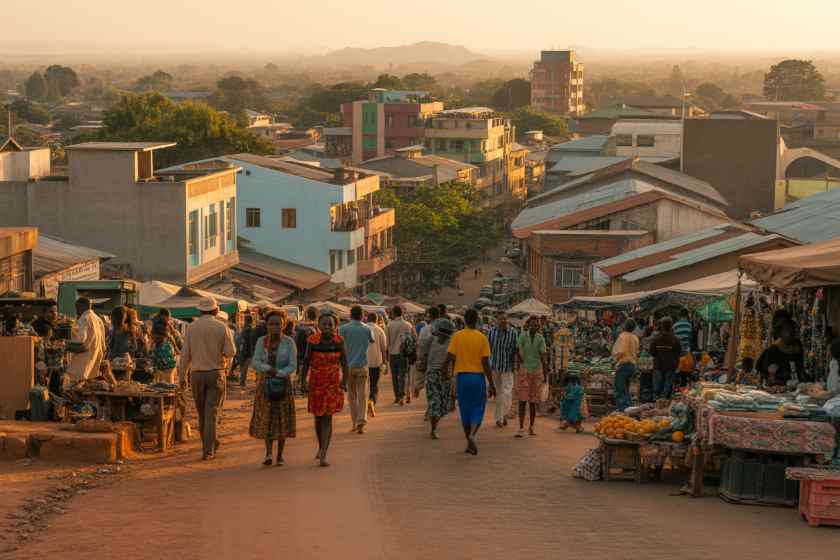
Zambia used Africa’s Travel Indaba 2026 in Durban to deliver a strong message about the future of tourism development across Southern Africa, positioning itself as an investment-ready destination focused on employment generation, regional cooperation and sustainable tourism growth. Government officials and tourism leaders emphasized that the country’s expanding tourism sector must create measurable economic opportunities for local communities while strengthening Zambia’s role within Africa’s rapidly growing travel industry.
The country’s largest-ever participation at Africa’s Travel Indaba highlighted Zambia’s broader ambition to build a one billion US dollar tourism economy by 2031 while increasing international visitor arrivals and expanding investment across hospitality, infrastructure and tourism services.
Zambia Expands Presence at Africa’s Travel Indaba 2026
Zambia’s participation at Africa’s Travel Indaba 2026 represented the country’s strongest showing at the major continental tourism trade event to date. A total of 45 co-exhibitors participated under Zambia’s tourism delegation, with 44 coming directly from the private sector.
The increased participation compared with the previous year demonstrated growing confidence among Zambian tourism businesses seeking international partnerships, investment opportunities and expanded access to global travel markets.
Advertisement
Advertisement
Africa’s Travel Indaba remains one of the continent’s most important tourism trade exhibitions, bringing together airlines, tour operators, investors, tourism boards, hotels and international buyers focused on African travel experiences.
For Zambia, the event served not only as a destination marketing platform but also as an opportunity to showcase its broader economic vision for tourism-led development.
Advertisement
Advertisement
Zambia Focuses on Tourism Investment and Employment Creation
During Zambia Day events held alongside the trade exhibition, government representatives strongly emphasized that tourism growth must directly benefit local communities through employment generation and inclusive economic participation.
Evans Muhanga, Permanent Secretary at Zambia’s Ministry of Tourism, described tourism as a critical driver of youth employment and economic diversification. The country’s tourism strategy increasingly focuses on attracting investors willing to support long-term development while creating opportunities for Zambian workers and local enterprises.
The emphasis on employment-focused tourism reflects a wider trend across Africa where governments are increasingly evaluating tourism success not solely through arrival numbers but through broader economic impact, local participation and sustainable community benefits.
Zambia’s tourism sector continues expanding across safari tourism, conference tourism, eco-tourism and cultural travel experiences, creating growing demand for hospitality workers, guides, transportation services and tourism-related infrastructure.
Authentic Cultural Experiences Shape Zambia’s Tourism Identity
Rather than relying entirely on traditional destination marketing presentations, Zambia Day organizers focused heavily on immersive cultural engagement to connect international delegates with the country’s identity and hospitality culture.
Visitors attending the networking event experienced Zambian cuisine, locally produced beverages, traditional music and interactive cultural showcases designed to highlight authentic travel experiences available within the country.
Advertisement
Advertisement
The strategy reflects the growing importance of experiential tourism within the global travel industry, where travelers increasingly seek meaningful cultural connections rather than standardized tourism products alone.
Locally produced beverages and homegrown brands were also prominently featured during the event, supporting Zambia’s wider effort to promote domestic industries alongside tourism development.
Authentic cultural positioning has become increasingly important for African destinations competing within the international tourism market, particularly among travelers seeking immersive and community-centered experiences.
Zambia Prepares for Expanded ZATEX 2026 Tourism Expo
Looking beyond Indaba 2026, Zambia is now preparing for its flagship tourism exhibition, ZATEX 2026, scheduled to take place from June 4 to 6 at the Mulungushi International Conference Centre.
Organized by the Zambia Tourism Agency, ZATEX serves as the country’s primary tourism marketing platform connecting local tourism operators with international buyers, investors and travel professionals.
The 2026 edition is expected to become the largest in the event’s history, targeting participation from 150 exhibitors while specifically supporting 24 small and medium tourism enterprises. Zambia additionally plans to host 40 international buyers as part of its strategy to strengthen business-to-business tourism partnerships and encourage international travel investment.
Advertisement
Advertisement
The event theme, “Building Authentic and Sustainable Tourism Through Partnerships,” reflects Zambia’s wider tourism strategy focused on sustainable development, community participation and regional collaboration.
Zambia Targets Three Million International Arrivals
Zambia’s tourism authorities have set ambitious targets for international visitor growth, aiming to attract three million arrivals this year as part of the country’s broader tourism expansion plans.
The country continues benefiting from strong demand for safari tourism, nature travel and adventure tourism experiences centered around destinations such as Victoria Falls, one of Africa’s most internationally recognized natural attractions.
Beyond Victoria Falls, Zambia is increasingly promoting wildlife tourism, eco-tourism, cultural experiences and conference tourism to diversify visitor flows and extend tourism spending throughout the country.
The expansion of tourism infrastructure, hotel development and aviation connectivity is expected to play a major role in supporting Zambia’s international tourism growth objectives.
Improved regional air access and stronger cross-border tourism cooperation throughout Southern Africa are also helping position Zambia as an increasingly accessible travel destination for both international and intra-African travelers.
Advertisement
Advertisement
Regional Cooperation Remains Central to Zambia’s Tourism Strategy
Regional collaboration formed a major part of Zambia’s messaging during Africa’s Travel Indaba. Officials emphasized that Africa’s tourism growth depends heavily on cross-border partnerships, shared economic opportunities and stronger regional travel integration.
The focus aligns closely with the broader vision promoted throughout Indaba 2026, where African tourism stakeholders highlighted the importance of intra-African tourism, regional aviation connectivity and collaborative destination marketing.
Southern African tourism destinations increasingly recognize that cooperative tourism growth strategies may create stronger long-term benefits than isolated national campaigns alone.
Regional tourism circuits involving Zambia, Zimbabwe, Botswana, Namibia and South Africa continue attracting international travelers seeking multi-country safari, wildlife and cultural travel experiences.
Conclusion: Zambia Positions Itself as a Competitive African Tourism Investment Destination
Zambia’s strong presence at Indaba 2026 demonstrated the country’s growing confidence within Africa’s competitive tourism landscape. By combining investment-focused messaging with authentic cultural storytelling and clear economic objectives, Zambia is working to strengthen its reputation as a serious tourism investment destination.
As international demand for African travel experiences continues expanding, destinations capable of balancing infrastructure development, sustainability and authentic local engagement are expected to attract increasing attention from global tourism investors and travelers alike.
Advertisement
