
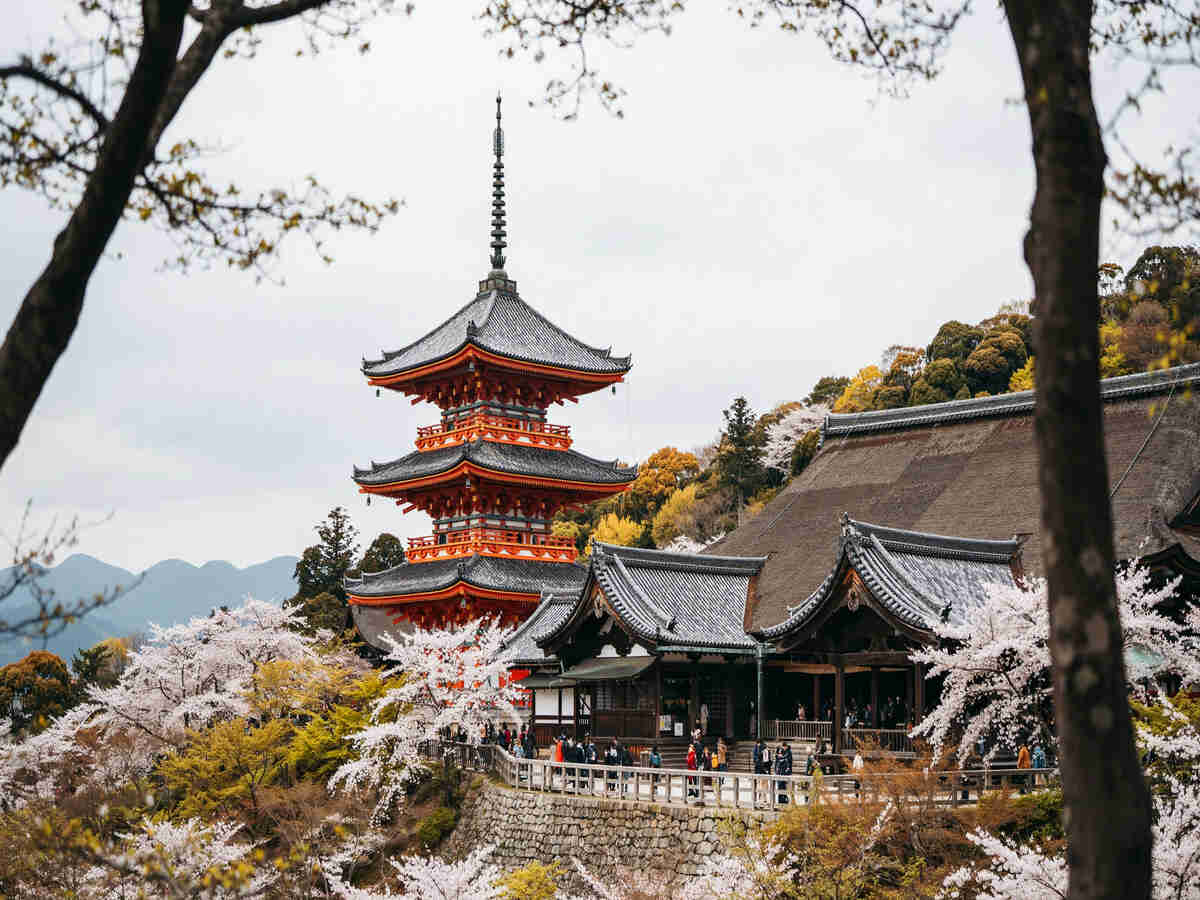
Image generated with Ai
Australia issues travel advice to Japan, warning of extreme heat, safety and visa concerns. Australia has issued new travel advice to Japan, warning of extreme weather, natural disaster, restricted areas in Fukushima, visa and other issues. Japan is seeing an influx of foreign tourists seeking to experience the delights of Tokyo and Osaka during the warm summer months.
The guidance does not discourage travel to Japan but reminds Australians to remain alert, prepared and informed during their visit. Travellers are advised to understand local safety measures, monitor weather conditions and follow instructions from Japanese authorities during emergencies.
Advertisement
Japan continues to be one of Asia’s most attractive travel destinations, offering a combination of modern cities, historic landmarks, cultural experiences and scenic landscapes. Tokyo and Osaka remain among the most visited cities, attracting tourists for shopping, entertainment, business travel and traditional experiences.
Australia’s latest advisory places Japan under the category of “Exercise normal safety precautions”. This means travellers can continue visiting the country but should remain aware of specific situations that may affect their safety.
Advertisement
Advertisement
Visitors are encouraged to prepare before departure by checking travel conditions, understanding local laws and staying updated with official information during their stay.
While Japan has a highly developed infrastructure and strong emergency response systems, travellers should remember that the country is exposed to natural hazards because of its geographical location.
One of the major concerns highlighted in the advisory is the risk of severe heat waves between July and September.
During this period, Japan can experience extremely high temperatures that may affect visitors exploring outdoor attractions, walking through busy cities or participating in summer activities. Local authorities issue alerts when dangerous temperatures are predicted.
Travellers visiting destinations such as Tokyo and Osaka during the hottest months are advised to remain alert for signs of:
Visitors should drink enough water, avoid spending long periods under direct sunlight and take regular breaks in shaded or air-conditioned areas.
The warning is particularly important for tourists following busy sightseeing schedules, as many Japanese attractions involve outdoor walking, including temples, gardens, shopping districts and cultural sites.
Japan is located in one of the world’s most active earthquake zones and remains vulnerable to earthquakes, typhoons and tsunamis.
Australia has reminded travellers that emergencies can happen quickly and visitors should understand how to respond during natural disasters.
The Japan Meteorological Agency (JMA) publishes major disaster warnings, while Japanese authorities maintain detailed emergency response systems.
Travellers are encouraged to:
Australia recommends using NHK’s smartphone application to stay updated about natural disasters and emergency situations.
Visitors staying in coastal areas should take special care. After a major earthquake, travellers are advised to move to higher ground immediately because tsunami waves can follow shortly after seismic activity.
Japan has extensive disaster preparation measures, but travellers must still remain cautious and follow official instructions during emergencies.
The advisory also highlights restrictions around the Fukushima Dai-ichi nuclear power plant.
Australia advises travellers to reconsider their need to visit restricted areas near the facility. These restrictions apply only to specific locations around the nuclear plant and do not affect most popular tourism destinations in Japan.
Major visitor centres such as Tokyo, Osaka, Kyoto and other well-known travel locations remain accessible.
Travellers planning to visit areas around Fukushima should check local guidance, respect restricted zones and follow instructions from Japanese authorities.
Visitors should not enter controlled areas without permission and should remain aware of changing local conditions.
Australian passport holders continue to benefit from Japan’s visa exemption scheme for short-term tourism and business travel.
Under the current arrangement, Australians can visit Japan without a visa for stays of up to 90 days for purposes including:
The visa exemption has made Japan a convenient destination for Australian travellers planning holidays and short business trips.
However, Australia has reminded travellers that entry and exit requirements can change at short notice. Visitors are responsible for checking the latest requirements with Japanese authorities before departure.
Travellers visiting Japan for other purposes, including employment, must confirm whether they require a specific visa.
Working in Japan while holding a tourist visa is not permitted and may result in penalties. Visitors planning to work should obtain the correct permission before travelling.
Australia has also highlighted changes to Japan’s family law system following legislative updates that allow joint child custody after divorce in some cases.
The issue is particularly important for Australians involved in family disputes, child custody matters or other legal concerns while in Japan.
Travellers facing family-related disputes are advised to seek legal guidance regarding their options under both Japanese and Australian law.
Understanding local legal procedures before travelling can help visitors manage possible complications involving children and family matters.
Mount Fuji remains one of Japan’s most famous attractions and a major draw for international visitors. However, Australia has warned travellers that climbing the mountain between September and June can be dangerous.
Outside the official climbing period, conditions can become challenging because of:
Travellers planning to climb Mount Fuji should carefully prepare, follow official advice and check conditions before attempting the journey.
Hiking fees apply during the official climbing season, and visitors are encouraged to plan their trip in advance.
The warning aims to protect travellers who may underestimate the risks of climbing Japan’s highest mountain outside the recommended period.
Australia’s updated advisory encourages travellers to take several precautions before and during their Japan trip.
Visitors should:
Japan remains a welcoming destination for Australian travellers, with world-famous cities, cultural attractions and unique experiences continuing to attract visitors.
Tokyo offers a blend of technology, entertainment and tradition, while Osaka remains known for its food culture, lively districts and historical attractions. Beyond these cities, Japan’s mountains, coastal regions and heritage sites continue to provide diverse experiences for international tourists.
Australia’s latest travel advisory focuses on awareness and preparation rather than limiting travel. Japan remains open for visitors, but travellers are encouraged to understand seasonal conditions, emergency procedures and local requirements.
By staying informed about heat risks, natural disasters, visa rules and regional restrictions, Australians can enjoy a smoother and safer experience across Japan.
Australia has given new travel advice to Japan, calling for people to be cautious of safety, hot weather, visa requirements, and emergency situations, among other issues.
With the current wave of tourism, it is important that travelers conduct responsible tourism while in Japan and the rest of the destinations such as Tokyo, Osaka, and others.
Advertisement
Tags: Australia, japan, safety precautions, Travel advisory
Advertisement
Advertisement













Friday, September 4, 2026

Friday, September 4, 2026

Friday, September 4, 2026

Friday, September 4, 2026

Thursday, September 3, 2026

Wednesday, September 2, 2026
Friday, September 4, 2026